
Over 80 percent of American businesses rely on secure storage options to manage valuable equipment and goods. With storage needs growing for both commercial and residential uses, navigating the differences between storage containers and trailer storage becomes more important than ever. Choosing the right solution not only impacts daily operations but can significantly affect costs and efficiency. This guide breaks down the key distinctions so you can quickly identify which storage method supports your specific American requirements.
Table of Contents
- Defining Container And Trailer Storage Solutions
- Key Differences Between Containers And Trailers
- Typical Applications And Use Cases
- Cost, Logistics, And Accessibility Factors
- Compliance, Safety, And Regulatory Considerations
Key Takeaways
| Point | Details |
|---|---|
| Storage Containers are Stationary | They offer secure, long-term storage solutions, are weather-resistant, and come in standardized sizes like 20 and 40 feet. |
| Trailer Storage Provides Mobility | Trailers are designed for flexibility and can be easily transported, making them ideal for dynamic storage needs across various job sites. |
| Application Differences | Containers are typically used for long-term storage, while trailers excel in short-term, on-site storage and transportation. |
| Cost and Accessibility Trade-offs | Containers may have higher initial costs but are suited for long durations, whereas trailers provide lower initial investments and significant mobility benefits. |
Defining Container and Trailer Storage Solutions
Storage solutions for commercial and residential needs come in two primary formats: storage containers and trailer storage systems. While they might seem similar at first glance, these two storage options have distinct characteristics that make them suitable for different applications. Understanding their fundamental differences can help businesses and individuals make informed decisions about which storage solution best meets their specific requirements.
A storage container is typically a robust, standardized metal unit designed for secure, stationary storage. These containers are engineered to withstand harsh environmental conditions and provide protection for goods ranging from construction materials to personal belongings. Storage containers offer several key advantages: they are weather-resistant, lockable, and can be placed directly on level ground without additional infrastructure. Most standard containers come in uniform sizes like 20 and 40-foot lengths, making them predictable and easy to plan around.
Trailer storage, by contrast, represents a more mobile and versatile storage solution. These units are mounted on wheels and can be easily transported between locations, making them ideal for businesses requiring flexible storage that can move with changing project needs. Semi-trailer storage solutions are particularly popular among logistics companies, construction firms, and transportation businesses that need to transport and store equipment or materials. Unlike stationary containers, trailers provide the unique benefit of being immediately movable, which can significantly reduce transportation and logistics costs.
When choosing between container and trailer storage, businesses should consider factors like intended usage, mobility requirements, budget constraints, and specific storage needs. Some organizations even utilize both storage methods to maximize flexibility and efficiency in their operations. The right storage solution depends on understanding the nuanced differences between these two powerful storage technologies.
Key Differences Between Containers and Trailers
Storage containers and trailers serve similar purposes but differ dramatically in design, mobility, and functional capabilities. These storage solutions are not interchangeable, and understanding their unique characteristics is crucial for businesses and individuals seeking the most effective storage strategy.
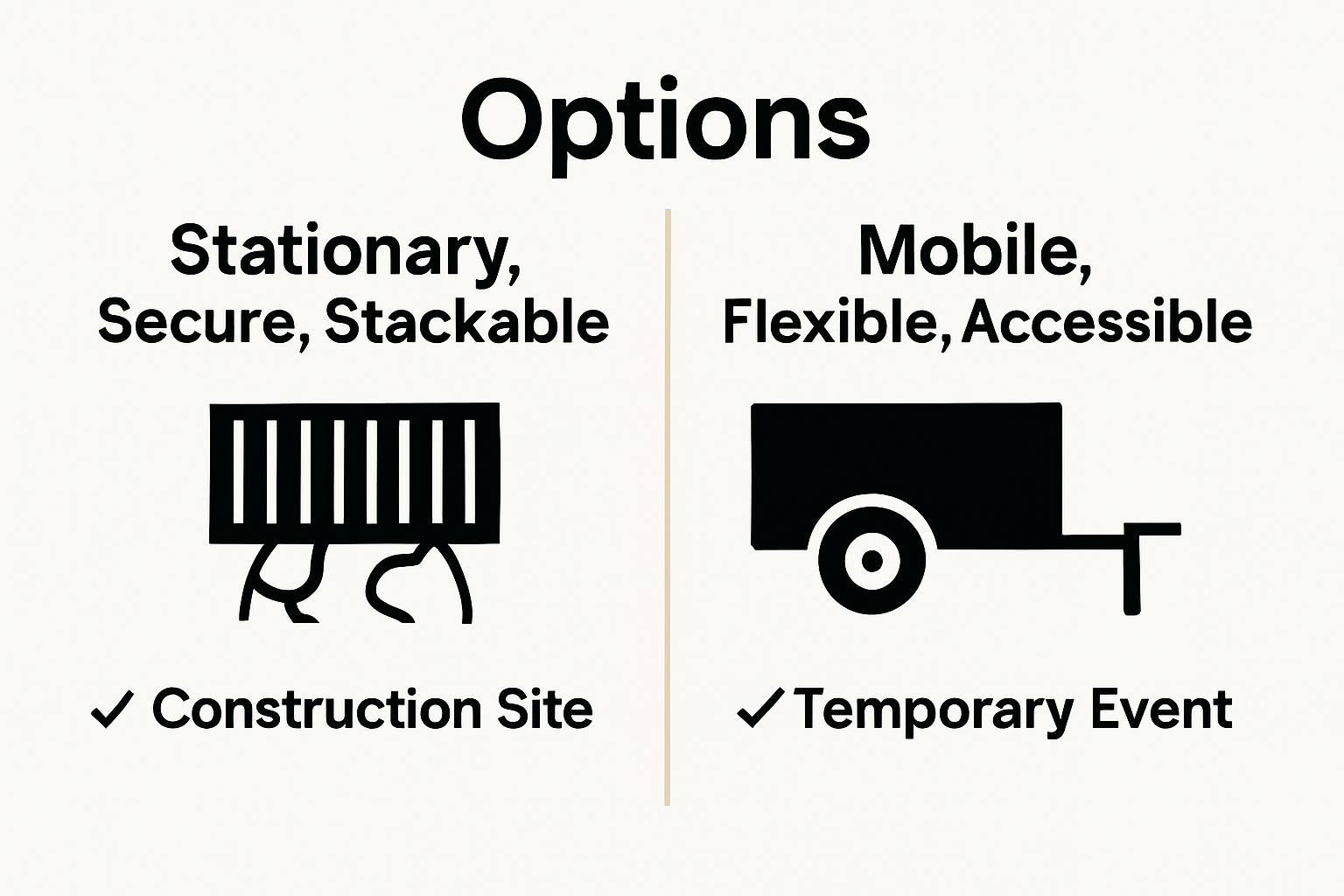
The primary distinction lies in their transportation capabilities. Intermodal container chassis are specialized transport platforms designed for standardized cargo containers, enabling seamless transfers between different transportation modes. Trailers, in contrast, are standalone units primarily used for direct cargo transport. Containers are typically stationary structures made of robust metal, engineered to withstand extreme weather conditions and provide secure, long-term storage. They feature uniform dimensions, most commonly in 20 and 40-foot lengths, which allows for predictable stacking and efficient space management.
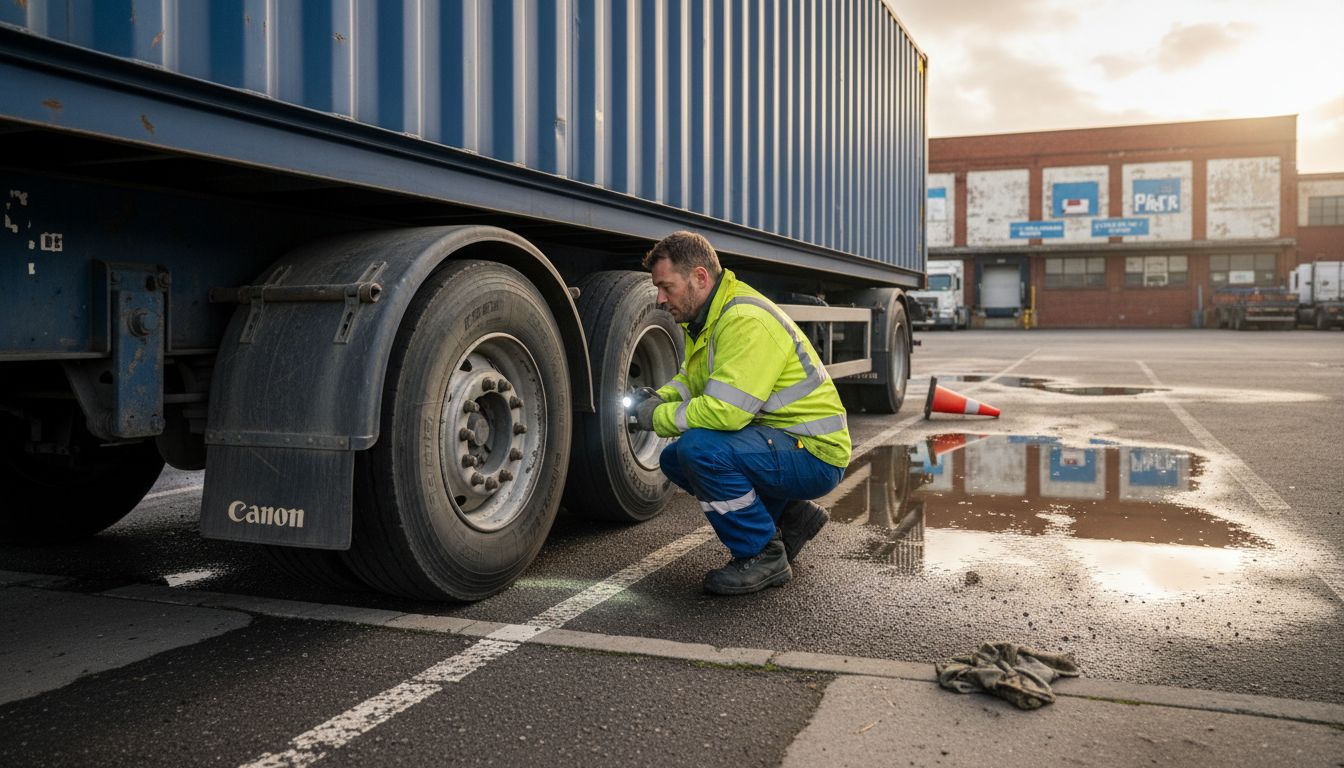
Trailers offer greater mobility and flexibility, making them ideal for dynamic storage needs. These wheeled units can be quickly hitched to trucks and moved between locations, providing businesses with unprecedented logistical adaptability. Semi-trailer storage solutions are particularly valuable for industries like construction, logistics, and transportation, where equipment and materials must be transported frequently. The key advantages of trailers include their ability to move cargo directly to work sites, reduce transportation costs, and provide on-demand storage solutions.
When selecting between containers and trailers, organizations must carefully evaluate their specific requirements. Factors such as storage duration, mobility needs, budget constraints, and cargo type will ultimately determine the most appropriate solution. Some businesses find value in utilizing both storage methods, leveraging the strengths of stationary containers for long-term storage and trailers for dynamic, short-term transportation needs.
Typical Applications and Use Cases
Storage solutions play critical roles across diverse industries, with containers and trailers serving unique but complementary functions in commercial and residential contexts. Understanding their specific applications helps organizations select the most appropriate storage strategy for their unique operational requirements.
Intermodal containers are predominantly used in global trade, providing standardized transportation solutions that seamlessly transfer between ships, trains, and trucks. These robust metal units are ideal for international shipping, construction projects, and long-term equipment storage. Typical applications include:
- International freight shipping
- Construction site material storage
- Military and government equipment deployment
- Temporary office or workspace solutions
- Agricultural equipment and supply storage
Trailers, by contrast, excel in domestic transportation and flexible storage scenarios. Semi-trailer storage solutions are particularly valuable for industries requiring frequent equipment movement and on-site accessibility. Their primary applications encompass:
- Construction and field work logistics
- Temporary job site equipment storage
- Retail and event transportation
- Agricultural equipment transport
- Emergency response and disaster relief operations
Businesses often strategically combine both storage methods to maximize operational efficiency. By leveraging the stationary security of containers and the mobility of trailers, organizations can create comprehensive storage strategies that adapt to changing logistical challenges and project requirements.
Cost, Logistics, and Accessibility Factors
Choosing between storage containers and trailers involves a complex analysis of financial implications, logistical challenges, and operational accessibility. Organizations must carefully weigh the unique economic and practical considerations associated with each storage solution to optimize their investment and operational efficiency.
Utilizing intermodal containers presents both cost advantages and logistical complexities. While these standardized units can offer significant savings through efficient multi-modal transportation, they simultaneously require sophisticated coordination and specialized handling equipment. The financial breakdown typically includes:
- Initial purchase or rental costs
- Transportation and transfer expenses
- Site preparation and foundation requirements
- Long-term maintenance expenditures
- Potential equipment handling charges
Trailers demonstrate remarkable accessibility advantages, providing businesses with unprecedented mobility and flexible deployment options. Semi-trailer storage solutions enable rapid repositioning of assets, reducing downtime and transportation expenses. Their cost structure generally involves:
- Lower initial investment compared to containers
- Minimal site preparation requirements
- Flexible rental and ownership models
- Direct transportation capabilities
- Reduced long-term maintenance expenses
The ultimate selection depends on balancing immediate budget constraints with long-term operational needs. Businesses must conduct thorough cost-benefit analyses, considering factors like storage duration, transportation frequency, cargo type, and specific industry requirements to determine the most economically viable and logistically efficient storage strategy.
Compliance, Safety, and Regulatory Considerations
Storage containers and trailers are subject to complex regulatory landscapes that demand meticulous attention to safety protocols, transportation guidelines, and industry-specific compliance requirements. Organizations must navigate these intricate legal frameworks to ensure operational integrity and minimize potential liability risks.
OSHA guidelines for trailer loading and unloading emphasize critical safety procedures that businesses must implement to protect workers and maintain regulatory compliance. The key safety considerations include:
- Proper weight distribution of cargo
- Secure cargo restraint techniques
- Worker training on safe loading practices
- Inspection protocols for structural integrity
- Personal protective equipment requirements
Containers face additional regulatory scrutiny, particularly in international shipping contexts. Compliance involves meeting international standards for:
- Structural integrity certification
- Customs documentation requirements
- Hazardous material transportation regulations
- Cross-border shipping restrictions
- Standardized container identification protocols
Trailer safety demands rigorous maintenance and inspection regimes. Semi-trailer storage solutions require comprehensive documentation, including periodic safety inspections, maintenance logs, and adherence to federal transportation regulations. Businesses must develop robust compliance strategies that account for the dynamic legal landscape governing storage and transportation equipment, ensuring both operational efficiency and regulatory adherence.
Discover the Best Storage Solution for Your Needs Today
Choosing between storage containers and trailers can feel overwhelming when facing challenges like mobility requirements, budget constraints, and secure storage needs. Whether you need a stationary, weather-resistant unit or a flexible, transportable option, understanding these differences is essential. At Apple Truck & Trailer, we specialize in delivering tailored solutions to match your unique situation.
Explore our extensive selection of Storage Containers – Apple Truck & Trailer to find durable, secure units ideal for long-term or stationary storage. For businesses and individuals who require mobility, our reliable Storage Trailer Rental – Apple Truck & Trailer options provide flexible and easy-to-move storage.

Don’t let uncertainty hold your operations back. Visit Apple Truck & Trailer now to browse inventory, request a quote, or speak with our experts. Act today to secure the storage solution that will enhance your efficiency and peace of mind across Massachusetts, Rhode Island, Connecticut, and New Hampshire.
Frequently Asked Questions
What are the main differences between storage containers and trailer storage?
Storage containers are stationary, robust metal units designed for long-term storage, while trailer storage solutions are mobile and can be easily transported, making them ideal for dynamic storage needs.
How do I determine whether to use a container or a trailer for storage?
Consider factors such as intended usage, mobility requirements, budget constraints, and specific storage needs. Some organizations may benefit from using both to maximize efficiency.
What are the typical applications for storage containers?
Storage containers are commonly used for international freight shipping, construction site material storage, military equipment deployment, temporary office solutions, and agricultural supply storage.
What are the cost considerations for using trailers compared to containers?
Trailers generally have a lower initial investment, require minimal site preparation, and offer flexible rental and ownership models, making them economically advantageous for short-term storage needs.
Recommended
- Buyer’s Guide: Best Semi Trailer Storage Solutions for 2024 – Apple Truck & Trailer
- Ultimate Guide to Storage Trailers on Wheels: Discovering the Types and Benefits for Business Use – Apple Truck & Trailer
- What is a Storage Container? Understanding Its Importance
- Dry Van Storage Trailer Rental: Buyer’s Guide for the Best Options in 2024 – Apple Truck & Trailer