
More than 40 percent of American commercial truck fleets experience excessive downtime due to preventable maintenance issues. For fleet managers in Massachusetts, even short delays can disrupt schedules, strain budgets, and risk compliance. Understanding how a proactive maintenance approach compares with reactive repairs helps you identify smarter strategies that keep your trucks on the road and your operations running smoothly.
Table of Contents
- Step 1: Assess Fleet Maintenance Needs
- Step 2: Develop Proactive Inspection Schedules
- Step 3: Implement Swift Repair Protocols
- Step 4: Track Equipment Performance Data
- Step 5: Verify Reduced Downtime Results
Quick Summary
| Key Point | Explanation |
|---|---|
| 1. Assess Maintenance Needs | Conduct a thorough evaluation of each vehicle’s maintenance history, age, and performance to identify potential issues early. |
| 2. Create Inspection Schedules | Implement structured maintenance checklists for regular inspections to catch mechanical issues before they escalate. |
| 3. Streamline Repair Protocols | Develop clear, standardized workflows for repairs to minimize downtime and ensure efficiency in fixing mechanical problems. |
| 4. Monitor Performance Data | Use advanced telematics and key performance indicators to continuously track vehicle performance and anticipate maintenance needs. |
| 5. Verify Downtime Improvements | Systematically analyze and document key metrics to measure the success of your maintenance strategies in reducing downtime. |
Step 1: Assess Fleet Maintenance Needs
Reducing commercial truck fleet downtime starts with a strategic and comprehensive maintenance needs assessment. Your goal is to develop a proactive approach that identifies potential issues before they become costly disruptions. By systematically evaluating your fleet’s current condition, operational demands, and maintenance history, you can create a targeted strategy that minimizes unexpected equipment failures.
Begin your assessment by collecting detailed data on each vehicle’s maintenance records, age, mileage, and performance metrics. The U.S. General Services Administration recommends standardizing fleet maintenance processes through centralized information systems. This means compiling maintenance logs, tracking repair frequencies, documenting recurring mechanical problems, and analyzing overall asset utilization. Pay special attention to patterns of breakdowns, repair costs, and vehicle downtime across your fleet.
Next, conduct a thorough inspection of each truck to understand its current mechanical condition. Look beyond surface-level assessments by performing comprehensive diagnostic checks. Review engine performance, transmission health, brake systems, electrical components, and structural integrity. The Department of Energy suggests conducting recurring vehicle allocation studies to match operational requirements with appropriate maintenance strategies. This approach helps you right-size your fleet and develop targeted maintenance interventions that address specific operational needs.
Pro tip: Create a digital maintenance tracking spreadsheet with columns for vehicle identification, maintenance history, upcoming service schedules, and estimated repair costs to streamline your assessment process.
Here’s how proactive and reactive fleet maintenance strategies compare:
| Approach | Proactive Maintenance | Reactive Maintenance |
|---|---|---|
| Focus | Preventing issues before they occur | Responding to breakdowns |
| Downtime Impact | Minimizes unexpected service delays | Increases risk of long outages |
| Cost Predictability | Budget-friendly, planned expenses | Unpredictable emergency costs |
| Data Utilization | Relies on performance and trends | Limited use of historical records |
| Compliance Risk | Enhances regulatory compliance | Higher risk of violations |
Step 2: Develop Proactive Inspection Schedules
Creating an effective proactive inspection schedule is crucial for minimizing commercial truck fleet downtime and ensuring optimal vehicle performance. Your goal is to establish a systematic approach that catches potential mechanical issues before they escalate into costly repairs or unexpected breakdowns.
Begin by implementing comprehensive maintenance checklists that cover daily, weekly, monthly, and annual inspections. These structured evaluations should include critical components like tire condition, brake systems, fluid levels, electrical systems, and structural integrity. Trucks operating in challenging Massachusetts conditions require extra attention to details that might accelerate wear and tear. Break down your inspection process into specific intervals with clear documentation requirements, ensuring that each vehicle undergoes thorough and consistent examination.
Utilize digital tracking systems to streamline your inspection process and maintain accurate maintenance records. Modern fleet management relies on technology to schedule, track, and document maintenance activities. Heavy vehicle inspection guidelines recommend creating digital logs that timestamp each inspection, record specific findings, and flag potential issues for immediate follow up. This systematic approach not only helps you stay compliant with Department of Transportation regulations but also provides a clear historical record of each vehicle’s maintenance journey.
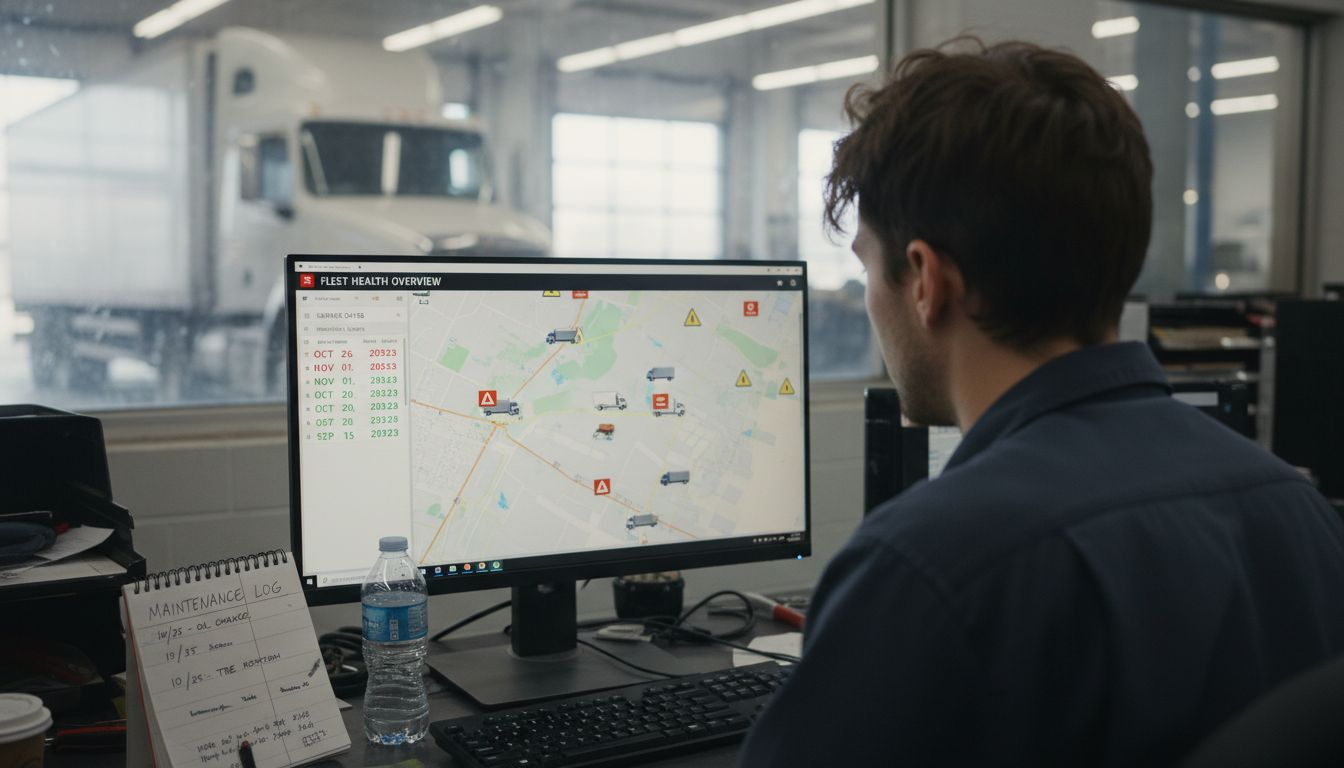
Pro tip: Develop a color coded digital dashboard that provides real time status updates on each truck’s maintenance schedule and inspection readiness, allowing instant visibility into your fleet’s operational health.
Step 3: Implement Swift Repair Protocols
Minimizing commercial truck fleet downtime requires developing efficient and standardized repair protocols that enable rapid problem resolution. Your primary objective is to create a systematic approach that reduces vehicle service time and gets trucks back on the road quickly and safely.
Standardized repair workflows recommended by industry experts provide a critical framework for addressing mechanical issues efficiently. Establish clear diagnostic procedures that help technicians quickly identify and categorize problems based on severity and required intervention. Create detailed repair checklists that outline specific steps for different types of mechanical failures, ensuring consistent and thorough repair approaches across your entire fleet. This method allows your maintenance team to respond with precision and speed, reducing the time trucks spend out of service.
Implement robust documentation and safety protocols aligned with OSHA standards to ensure repairs are completed efficiently and safely. Digital tracking systems should capture detailed repair information including diagnostic results, parts replaced, technician details, and total repair time. These comprehensive records not only help you track fleet performance but also provide critical insights for preventing future mechanical issues. Develop a communication protocol that enables rapid information sharing between drivers, technicians, and fleet managers to streamline the repair process and minimize communication delays.
Pro tip: Create a digital repair workflow app that provides real time updates, allows technicians to log repairs instantly, and automatically generates performance analytics for your fleet maintenance team.
Step 4: Track Equipment Performance Data
Tracking equipment performance data is essential for proactively managing your commercial truck fleet and minimizing unexpected downtime. Your goal is to develop a comprehensive data collection and analysis strategy that provides actionable insights into your fleet’s operational health and potential maintenance needs.
Federal Highway Administration performance measurement methods provide a robust framework for systematic data collection and analysis. Implement key performance indicators that capture critical metrics such as vehicle utilization, fuel efficiency, maintenance intervals, repair frequency, and operational costs. Utilize advanced telematics systems that can continuously monitor vehicle performance, tracking parameters like engine temperature, oil pressure, brake system performance, and actual miles driven. These digital tracking tools enable real time monitoring and help you identify potential issues before they escalate into major mechanical problems.
Leverage specialized fleet performance platforms like the National Renewable Energy Laboratory Fleet DNA program to gain deeper insights into your vehicles operational patterns. These advanced analytics platforms can help you understand daily duty cycles, driving behaviors, stop frequencies, and usage trends across your entire fleet. By aggregating and analyzing this data, you can make evidence based decisions about maintenance scheduling, vehicle replacement strategies, and overall fleet optimization. Develop a standardized reporting system that converts raw performance data into actionable intelligence, allowing your management team to make informed strategic decisions.
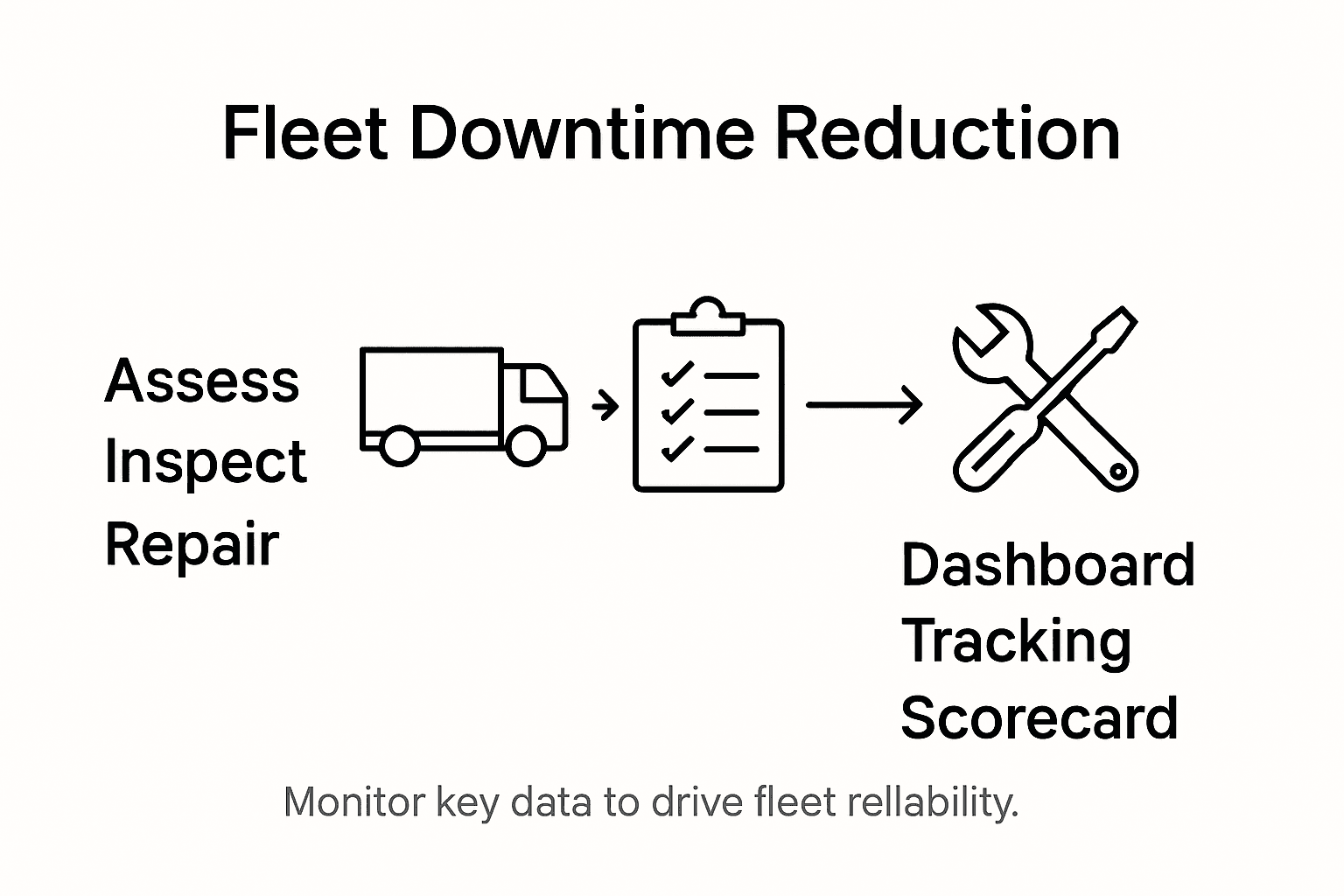
Pro tip: Create a centralized digital dashboard that visualizes key performance metrics in real time, enabling instant identification of potential equipment issues and performance trends.
Step 5: Verify Reduced Downtime Results
Verifying the effectiveness of your downtime reduction strategies requires a systematic and data driven approach. Your primary objective is to establish a rigorous method for measuring and documenting actual improvements in fleet operational efficiency and maintenance performance.
City fleet management audit techniques provide a comprehensive framework for analyzing downtime metrics. Begin by establishing baseline performance measurements before implementing your maintenance strategies. Create detailed comparative reports that track key performance indicators such as vehicle availability rates, average repair times, maintenance costs, and unscheduled service incidents. These metrics will help you quantify the actual impact of your fleet management improvements.
Develop a comprehensive documentation system that captures granular details about each vehicle maintenance event, repair duration, and operational disruption. Use advanced data visualization tools to transform raw performance data into clear and actionable insights. Compare your current performance against historical benchmarks, identifying specific areas of improvement and potential remaining challenges. Implement quarterly review sessions where your maintenance team analyzes these metrics, discusses trends, and develops continuous improvement strategies. This approach ensures that your downtime reduction efforts remain dynamic and responsive to changing operational demands.
The table below summarizes key performance indicators for tracking fleet downtime improvement:
| KPI | What It Measures | Why It Matters |
|---|---|---|
| Vehicle Availability Rate | Percent of fleet ready for use | Indicates service efficiency |
| Average Repair Time | Hours to complete repairs | Reveals maintenance bottlenecks |
| Maintenance Cost Per Vehicle | All-in maintenance expenses | Impacts operational budgeting |
| Unscheduled Service Incidents | Unexpected breakdown occurrences | Highlights preventive gaps |
Pro tip: Create a standardized scorecard that assigns numerical performance ratings to different aspects of fleet maintenance, enabling quick and objective assessment of your downtime reduction strategies.
Reduce Fleet Downtime with Trusted Equipment and Expert Support
Managing commercial truck fleets demands sharp focus on reducing downtime through proactive maintenance strategies and swift repairs. The article highlights critical steps such as developing proactive inspection schedules, tracking equipment performance data, and implementing swift repair protocols to minimize unexpected service delays. If keeping your fleet operational and efficient in Massachusetts and neighboring states is your priority, partnering with a reliable dealer and service provider is essential.
At Apple Truck and Trailer, we understand the urgency behind minimizing fleet downtime. Since 1986, we have supported fleet owners with high-quality used trucks, trailers, and storage solutions alongside dedicated maintenance, leasing, and rental services designed to keep your vehicles road-ready. Our comprehensive inventory and full-service support help you implement the exact data-driven and proactive maintenance plans recommended in the article.
Experience the peace of mind that comes from working with a trusted regional partner who knows your operational challenges. Visit Apple Truck and Trailer now to explore our inventory, learn about our maintenance services, and get customized solutions to lower your fleet downtime today. Take the first step toward smarter fleet management and maximum uptime.
Frequently Asked Questions
How can I assess my fleet’s maintenance needs effectively?
Begin by collecting detailed data on each vehicle’s maintenance records, age, mileage, and performance metrics. Conduct thorough inspections and identify patterns in breakdowns or repair costs to create a proactive maintenance strategy.
What components should be included in a proactive inspection schedule for my commercial trucks?
Develop a checklist covering critical components such as tire condition, brake systems, fluid levels, and electrical systems. Implement daily, weekly, monthly, and annual inspection intervals to ensure comprehensive evaluations of each vehicle’s mechanical health.
What steps should I take to implement swift repair protocols for my fleet?
Create standardized repair workflows that include clear diagnostic procedures and repair checklists. This ensures your maintenance team can quickly identify issues and complete repairs efficiently, reducing downtime significantly.
How do I track equipment performance data to reduce downtime?
Utilize telematics systems to continuously monitor key performance indicators like fuel efficiency and maintenance intervals. Set up a centralized dashboard that visualizes these metrics in real time to quickly identify and address potential equipment issues.
How can I measure the success of my downtime reduction strategies?
Establish baseline performance metrics before implementing new maintenance strategies and create detailed comparative reports. Track indicators like vehicle availability rates and average repair times to quantify improvements made in fleet operational efficiency.