
Over $600 billion is poured into renovation projects across the United States each year, highlighting just how vital secure storage is for commercial fleet operations. For every american fleet manager in Massachusetts, finding reliable storage solutions during renovations makes the difference between smooth progress and costly setbacks. Fast access, tough security, and protection from risk are not just wish list items—they are mission-critical needs this guide will address with clear, actionable solutions.
Table of Contents
- Defining Storage Solutions For Renovations
- Key Types Of Storage Containers And Units
- Essential Features For Fleet Managers
- Security, Access, And Safety Standards
- Cost Factors And Common Pitfalls
Key Takeaways
| Point | Details |
|---|---|
| Strategic Storage is Essential | Efficient storage solutions are crucial for protecting assets and ensuring the smooth operation of renovation projects. |
| Comprehensive Planning Required | Managers must assess project needs, including equipment sensitivity, security, and budget before selecting storage options. |
| Prioritize Security Standards | Implement rigorous security and access protocols to protect valuable assets during renovation. |
| Evaluate Financial Implications | Consider both direct and indirect costs, including compliance and long-term operational expenses, when budgeting for storage solutions. |
Defining Storage Solutions for Renovations
Renovation projects require strategic storage solutions that protect equipment, materials, and workspace integrity. Understanding the critical role of storage is essential for fleet managers navigating complex construction and maintenance environments. Sustainable refurbishment research highlights how effective storage management goes beyond simple material containment, representing a critical component of project success.
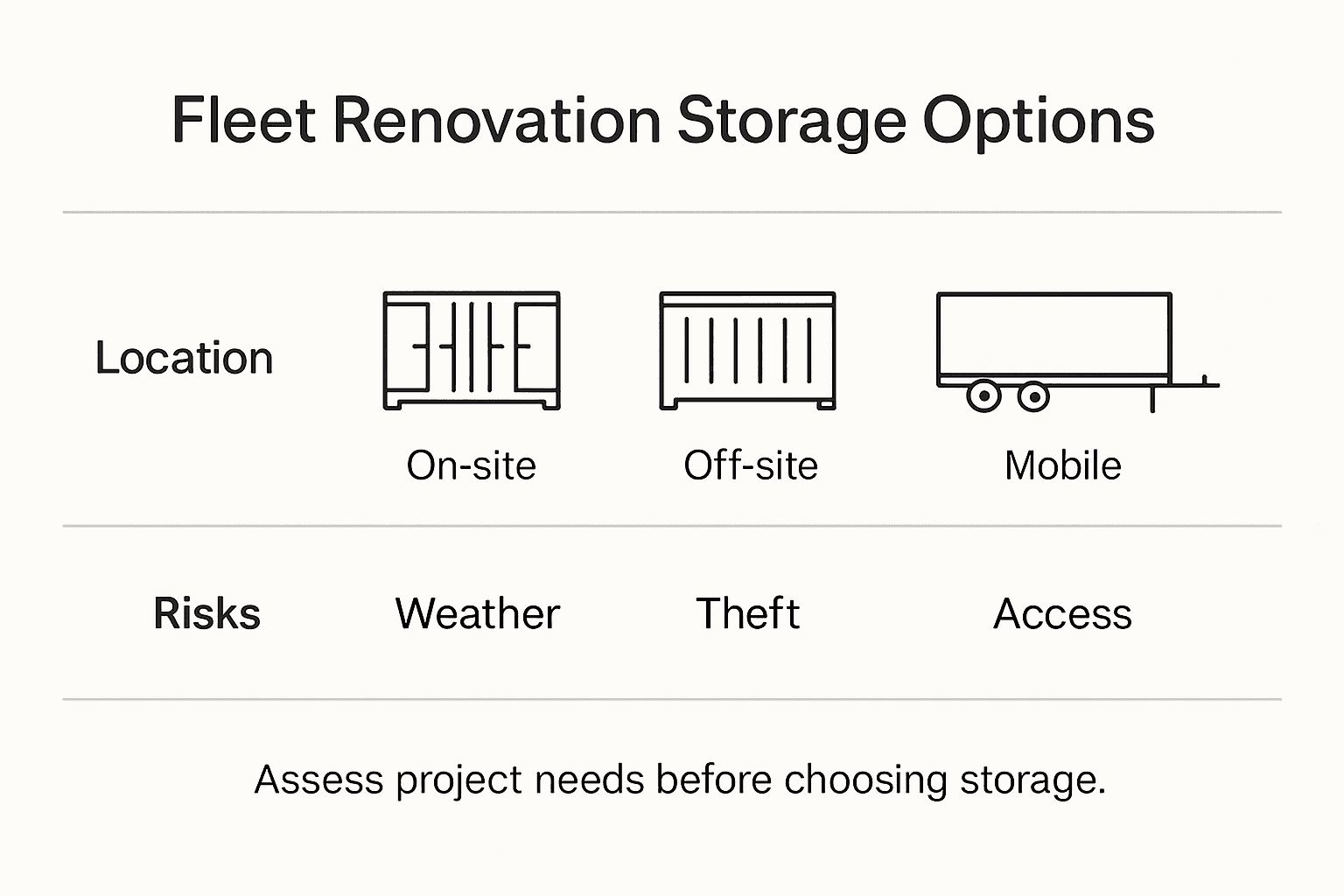
Commercial fleet storage solutions during renovations typically encompass several key categories: temporary on-site containers, secure off-site warehousing, mobile storage units, and specialized equipment protection systems. These solutions must address multiple challenges, including protecting sensitive machinery, maintaining project workflow, preventing damage, and ensuring regulatory compliance. Harvard’s Remodeling Futures Program notes that with over $600 billion spent annually on renovation projects, strategic storage is not just a logistical consideration but a significant financial investment.
Effective storage solutions for fleet renovations require comprehensive planning that considers project duration, equipment sensitivity, security requirements, and budget constraints. Factors like climate control, accessibility, transportation logistics, and potential environmental exposure become critical decision-making elements. Managers must evaluate storage options that provide robust protection while maintaining operational flexibility and cost-effectiveness.
Here’s how different storage locations serve fleet renovation projects:
| Storage Location | Ideal Use Case | Key Risk |
|---|---|---|
| On-site Containers | Quick access to active equipment | Theft or vandalism |
| Off-site Warehousing | Long-term material protection | Delayed retrieval times |
| Mobile Storage Units | Flexible relocation needs | Potential site access limits |
| Equipment Protection Systems | High-value/sensitive assets | High setup cost |
Pro tip: Before selecting a storage solution, conduct a comprehensive inventory audit to precisely determine the dimensions, sensitivity, and specific protection requirements for each piece of equipment and material.
Key Types of Storage Containers and Units
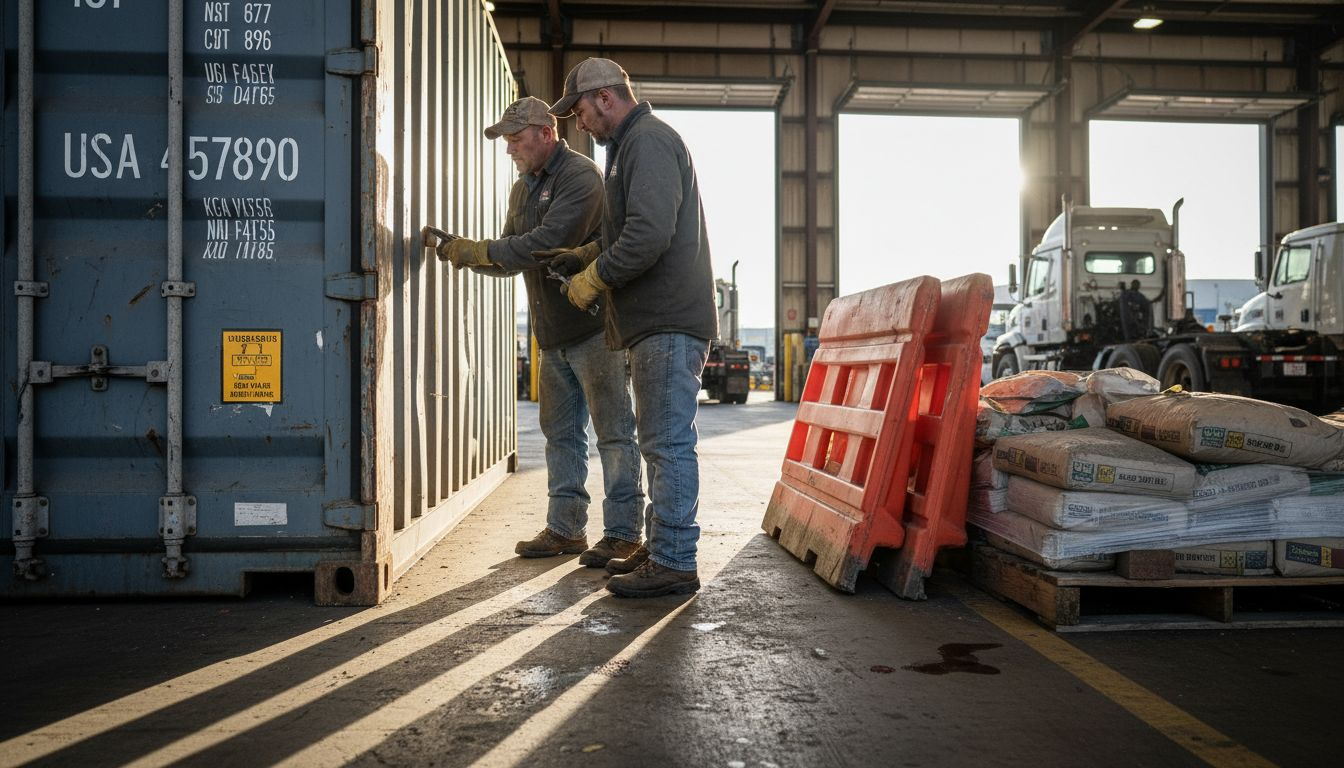
Fleet managers navigating renovation projects require a comprehensive understanding of storage container types to effectively protect and manage equipment and materials. Intermodal container standards reveal a diverse range of storage solutions designed to meet specific logistical challenges. These containers are not just metal boxes but sophisticated storage systems engineered for maximum protection and flexibility.
The primary storage container categories for fleet renovations include:
- Dry Freight Containers: Standard 20 or 40-foot steel units perfect for general equipment storage
- Refrigerated Containers: Climate-controlled units ideal for sensitive electronic or temperature-sensitive machinery
- Open-Top Containers: Designed for oversized equipment that requires top-loading capabilities
- Specialized Security Containers: Featuring advanced locking mechanisms and reinforced walls for high-value assets
ISO standards for freight containers emphasize the critical importance of durability, security, and interoperability in storage solutions. These standards ensure that containers can withstand transportation stress, provide robust protection, and integrate seamlessly with various handling equipment. Fleet managers must consider factors like material durability, weather resistance, security features, and compatibility with existing transportation infrastructure when selecting storage units.
Pro tip: Before selecting storage containers, conduct a detailed inventory assessment to match container specifications precisely with your equipment’s dimensions, weight, and environmental protection requirements.
Essential Features for Fleet Managers
Effective storage management during renovation projects demands a strategic approach that goes beyond simple containment. International safety standards for containers.aspx) provide critical guidance for fleet managers seeking comprehensive storage solutions. These standards establish essential criteria for selecting, maintaining, and deploying storage units that protect valuable equipment and minimize potential risks.
Key essential features fleet managers must prioritize include:
- Structural Integrity: Containers must withstand significant environmental stress
- Security Mechanisms: Advanced locking systems and tamper-resistant designs
- Climate Control Capabilities: Protection against temperature and humidity fluctuations
- Modular Adaptability: Easy reconfiguration to accommodate changing renovation requirements
- Transportation Compatibility: Seamless integration with existing fleet logistics
Additionally, fleet managers should conduct comprehensive risk assessments that evaluate container durability, potential environmental exposure, and specific equipment protection needs. This involves analyzing factors like material composition, weight-bearing capacity, resistance to corrosion, and compatibility with existing transportation infrastructure. Detailed documentation, including safety approval plates and periodic examination records, becomes crucial for maintaining compliance and ensuring long-term operational reliability.
Below is a comparison of essential container features and their operational impacts:
| Feature | Operational Impact | Risk if Overlooked |
|---|---|---|
| Structural Integrity | Limits downtime from failures | Equipment damage risk |
| Security Mechanisms | Reduces asset loss incidents | Increased theft exposure |
| Climate Control | Ensures asset functionality | Component degradation |
| Modular Adaptability | Adapts to project changes | Workflow disruption |
Pro tip: Develop a comprehensive container inspection checklist that includes structural assessment, security feature verification, and equipment-specific protection requirements before each renovation project deployment.
Security, Access, and Safety Standards
Renovation project storage requires rigorous security protocols that protect valuable fleet assets and ensure regulatory compliance. International container safety conventions.aspx) establish comprehensive guidelines that fleet managers must understand and implement to maintain equipment integrity and operational security.
Critical security standards for storage solutions include:
- Physical Security Measures:
- Advanced locking mechanisms
- Tamper-evident seals
- Reinforced container walls
- Access Control Protocols:
- Limited personnel authorization
- Detailed access logging
- Multi-factor authentication systems
- Documentation Requirements:
- Safety approval plates
- Periodic inspection records
- Comprehensive asset tracking
Department of Defense security guidelines recommend additional layers of protection for sensitive equipment during renovation projects. This includes implementing restricted area designations, using secure storage rooms with controlled environmental conditions, and developing comprehensive asset protection strategies that go beyond traditional security approaches. Fleet managers must create multilayered security frameworks that address potential vulnerabilities while maintaining operational flexibility.
Pro tip: Develop a comprehensive security audit checklist that includes physical inspection, access control review, and documentation verification to ensure maximum protection during renovation storage periods.
Cost Factors and Common Pitfalls
Storage solutions for fleet renovation projects involve complex financial considerations that extend far beyond initial container rental expenses. Updated building code provisions demonstrate how regulatory changes can significantly impact overall project budgeting and planning for storage infrastructure.
Key cost factors fleet managers must carefully evaluate include:
- Direct Container Expenses:
- Initial rental or purchase costs
- Transportation and positioning fees
- Potential modification expenses
- Indirect Financial Considerations:
- Compliance with building regulations
- Insurance and liability coverage
- Potential penalties for non-standard installations
- Long-Term Operational Costs:
- Maintenance and periodic inspections
- Security system investments
- Climate control and environmental protection
Container terminal pavement design standards highlight critical pitfalls that can dramatically increase renovation expenses. Common mistakes include inadequate site preparation, overlooking environmental stress factors, and failing to account for specialized equipment handling requirements. Fleet managers must conduct comprehensive site assessments and develop flexible storage strategies that anticipate potential infrastructure challenges and minimize unexpected financial burdens.
Pro tip: Create a comprehensive financial contingency plan that includes a 15-20% buffer for unexpected storage infrastructure modifications and regulatory compliance expenses.
Optimize Your Renovation Storage with Trusted Solutions
Renovation projects pose unique challenges for fleet managers who need secure, adaptable, and cost-effective storage options. Whether you face concerns about equipment protection, workflow disruption, or regulatory compliance, finding the right storage container or rental trailer is critical. From on-site containers to long-term storage solutions, strategic storage can save you time, reduce risk, and keep your renovation on track.
Explore our extensive inventory of Storage Containers – Apple Truck & Trailer tailored for renovation needs.
Take control of your fleet’s storage requirements today with flexible options like Storage Trailer Rental – Apple Truck & Trailer or secure Long-Term Storage Solutions – Apple Truck & Trailer. Rely on our expertise serving Massachusetts and the surrounding region since 1986 to provide high-quality equipment and responsive service. Visit Apple Truck & Trailer now to request a quote and secure your renovation storage solution before project delays occur.
Frequently Asked Questions
What are the main types of storage solutions available for renovation projects?
The primary storage solutions include temporary on-site containers, secure off-site warehousing, mobile storage units, and specialized equipment protection systems. Each type serves unique purposes depending on project needs and equipment sensitivity.
How do I choose the right storage solution for my fleet renovation?
Consider factors such as project duration, equipment sensitivity, security requirements, and budget constraints. Evaluate storage options based on climate control, accessibility, and potential environmental exposure to ensure you select the most effective solution.
What features should I look for in storage containers for renovation projects?
Key features to consider include structural integrity, security mechanisms, climate control capabilities, modular adaptability, and transportation compatibility. These factors ensure the containers effectively protect your assets during the renovation process.
What common pitfalls should I avoid when planning storage solutions for renovations?
Avoid inadequate site preparation, overlooking environmental stress factors, and failing to account for specialized equipment handling requirements. Conducting comprehensive site assessments and developing flexible strategies can help minimize unexpected financial burdens.
Recommended
- Smart Storage Container Uses for Businesses and Homes
- The Ultimate Guide to Shipping Container Storage Solutions – Apple Truck & Trailer
- What Is Fleet Maintenance? A Comprehensive Guide – Apple Truck & Trailer
- Guide to the Best Long-Term Storage Solutions: 4 Main Storage Options – Apple Truck & Trailer