
Container leasing is transforming global trade and modern storage. Companies now rent instead of own, allowing for major savings and operational flexibility. Here is what might surprise you. Leasing companies actually own about 40 percent of the world’s entire shipping container fleet. Ownership is no longer the key to control. Renting gives businesses the freedom to adapt fast and stay lean while keeping costs under control. Read more to learn, ‘What is Container Leasing?”
Table of Contents
- Defining Container Leasing: What Is It Exactly?
- The Importance Of Container Leasing In Logistics And Storage
- How Container Leasing Works: Mechanics And Processes
- Key Concepts And Terms Related To Container Leasing
- Real-World Applications Of Container Leasing In Various Industries
Quick Summary
| Takeaway | Explanation |
|---|---|
| Container leasing minimizes capital investment | Businesses can rent containers, avoiding large upfront costs associated with purchasing. |
| Flexible lease types cater to varying needs | Companies can choose from master, long-term, or short-term leases based on operational requirements. |
| Leasing enhances operational efficiency | Organizations can scale container usage quickly, adapting to market changes without financial strain. |
| Standardized agreements streamline logistics | Clear lease contracts specify responsibilities, ensuring effective resource management and container use. |
| Diverse applications extend beyond shipping | Containers serve multiple industries, like construction and agriculture, offering tailored storage solutions. |
Defining Container Leasing: What Is It Exactly?
Container leasing represents a strategic financial arrangement where businesses rent shipping containers from specialized leasing companies instead of purchasing them outright. This flexible solution allows companies to manage their logistics infrastructure without significant upfront capital investment. At its core, container leasing enables organizations to access standardized transportation equipment while maintaining operational agility.
To help clarify the different types of container leases, here is a comparison table outlining each lease type, its duration, flexibility, and key operational features.
| Lease Type | Typical Duration | Flexibility | Key Operational Features |
|---|---|---|---|
| Master Lease | Varies (very flexible) | High – variable container numbers and lengths | Can adjust quantity and timing to suit operational needs |
| Long-Term Lease | 5 to 8 years | Fixed – predetermined quantity and period | Stable, long-term access, predictable budgeting |
| Short-Term Lease | Weeks to several months | High – for temporary surges | Rapid deployment, cost-effective for short-term projects |
Understanding the Basic Mechanics
Container leasing works through specialized agreements between container owners and businesses requiring transportation equipment. These arrangements typically involve three primary lease types:
- Master Leases: Provide maximum flexibility with variable container numbers and durations
- Long-Term Leases: Fixed container quantities lasting 5 to 8 years
- Short-Term Leases: Designed for temporary demand surges and rapid scaling
According to the Institute of International Container Lessors, approximately 40% of the global container fleet is owned by leasing companies, highlighting the significant role these arrangements play in international logistics.
Economic and Operational Benefits
Container leasing offers multiple strategic advantages for businesses. Companies can adapt quickly to market fluctuations without massive capital expenditures. By renting containers, organizations can:
- Scale container inventory up or down based on current business needs
- Reduce maintenance and storage overhead costs
- Access modern, well-maintained equipment without direct ownership responsibilities
- Minimize long-term financial commitments
The financial flexibility of container leasing allows businesses to allocate resources more efficiently, focusing on core operational strategies rather than managing extensive equipment inventories. This approach transforms container management from a capital-intensive investment into a nimble, cost-effective operational solution.
The Importance of Container Leasing in Logistics and Storage
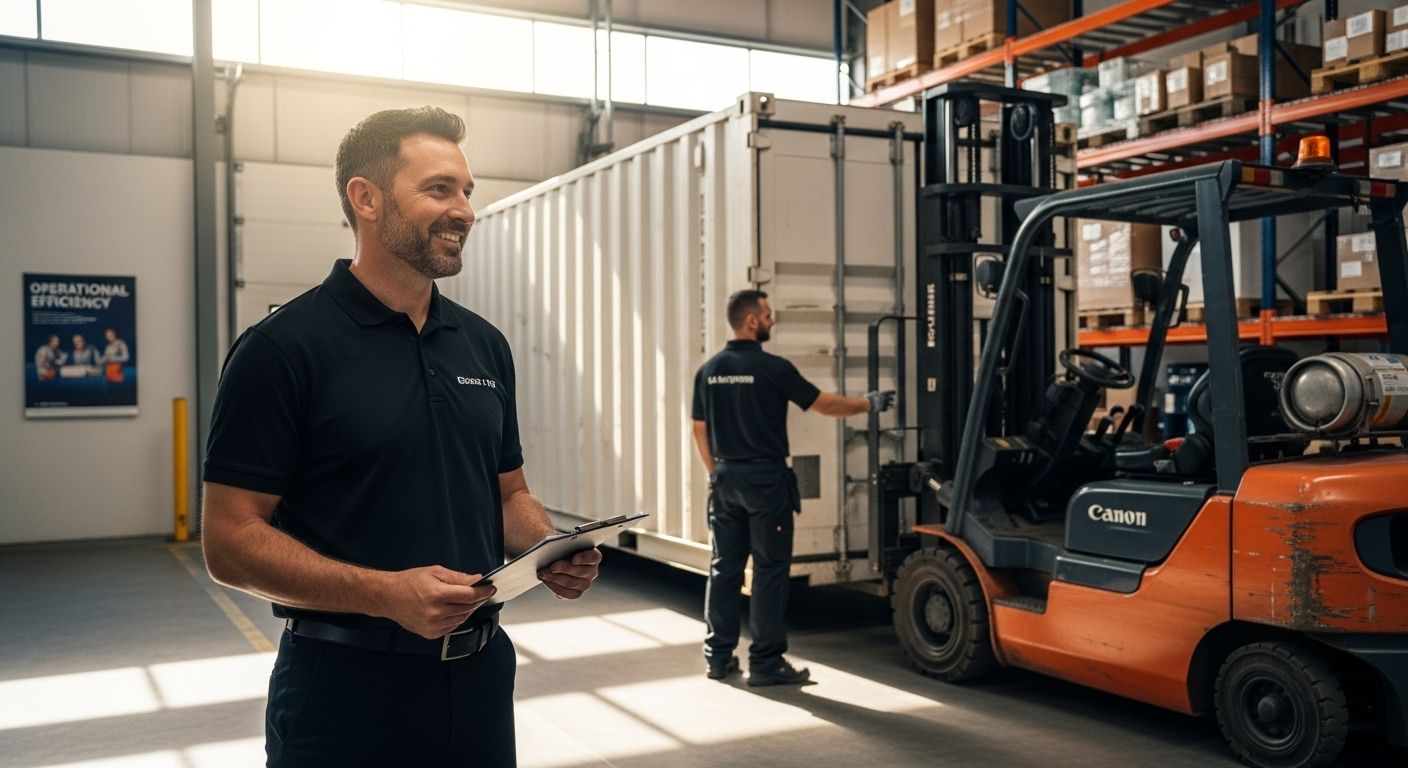
Container leasing has emerged as a critical strategic solution transforming how businesses manage transportation and storage infrastructure. By providing flexible, cost-effective alternatives to direct equipment ownership, container leasing enables organizations to optimize their logistical capabilities without substantial financial commitments.
Strategic Flexibility in Supply Chain Management
Container leasing offers unprecedented adaptability for businesses navigating complex global supply chains. Companies can rapidly scale their transportation and storage capacities without significant capital investment. This approach allows organizations to:
- Respond quickly to seasonal demand fluctuations
- Minimize long-term equipment maintenance expenses
- Access modern container technologies without purchasing
- Maintain financial liquidity for core business operations
Containerization research indicates that leased containers reduce transshipment expenses and enhance inventory management efficiency, providing businesses with critical operational advantages.
Economic and Operational Efficiency
Container leasing transforms traditional logistics models by decoupling equipment ownership from operational requirements. Small businesses especially benefit from this approach, gaining access to professional-grade storage and transportation solutions without substantial upfront costs. The leasing model enables companies to:
- Optimize storage strategies without permanent infrastructure investment
- Quickly deploy containers for temporary or changing business needs
- Reduce financial risks associated with equipment depreciation
- Maintain flexibility in logistics planning
By treating containers as flexible operational resources rather than fixed assets, businesses can allocate financial resources more strategically, focusing on growth and innovation instead of equipment management.
How Container Leasing Works: Mechanics and Processes
Container leasing operates through sophisticated logistical frameworks that enable businesses to access transportation equipment efficiently. These arrangements create comprehensive ecosystems where container owners and users collaborate to optimize global shipping and storage capabilities.
Lease Agreement Fundamentals
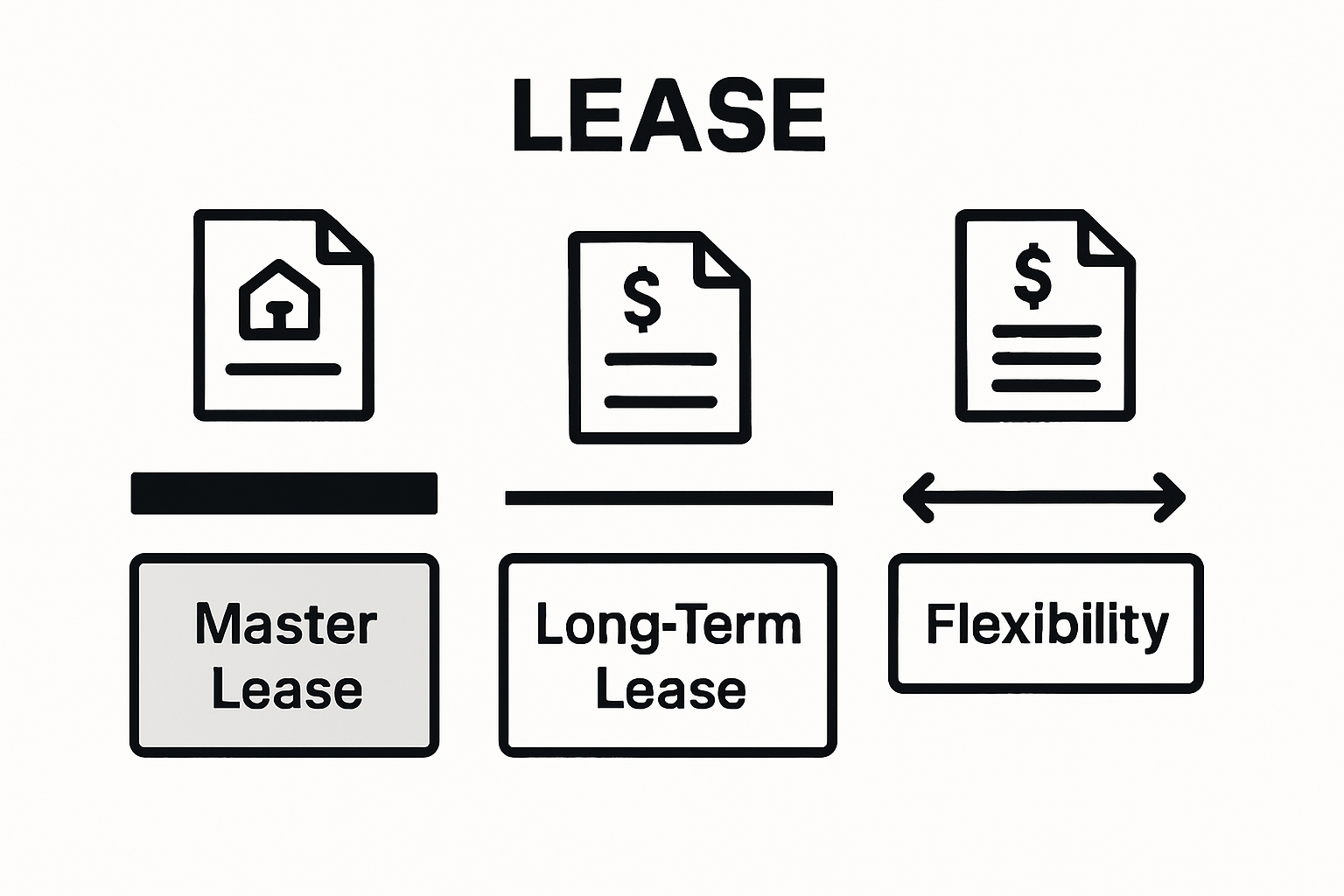
Leasing agreements establish clear parameters governing container usage, responsibilities, and financial arrangements. Typically, these contracts outline critical elements such as:
- Duration of the lease period
- Specific container quantity and specifications
- Maintenance and repair expectations
- Insurance and liability provisions
- Repositioning and return protocols
Logistics management research indicates that most leasing arrangements include comprehensive damage protection plans, where lessees pay a predetermined fee to mitigate potential repair expenses.
Operational Logistics and Container Movement
Container leasing involves intricate processes of tracking, maintaining, and repositioning equipment across global transportation networks. The system requires sophisticated coordination to address trade imbalances and ensure container availability. Key operational considerations include:
- Managing container inventory across multiple geographic regions
- Coordinating container returns and redeployment
- Tracking equipment condition and maintenance needs
- Developing efficient repositioning strategies
Companies must strategically navigate complex logistics challenges, often repositioning up to 30% of total container volumes to maintain operational efficiency. This dynamic process transforms container leasing from a simple rental arrangement into a complex, strategically managed service supporting global trade infrastructure.
Key Concepts and Terms Related to Container Leasing
Container leasing encompasses a complex ecosystem of specialized terminology and strategic concepts that define how businesses manage transportation and storage equipment. Understanding these fundamental terms provides critical insights into the intricate world of container logistics and rental frameworks.
Below is a table defining key container leasing terms and their explanations to support understanding of essential terminology used in agreements and operations.
| Term | Definition |
|---|---|
| Lessor | The entity owning the shipping containers and providing them for lease |
| Lessee | The business or organization renting the containers |
| Per Diem Rate | Daily charge for container usage |
| Demurrage | Fees charged when containers are retained beyond agreed timelines |
| Free Time | Predetermined period during which no additional charges apply |
Essential Leasing Terminology
Navigating container leasing requires familiarity with several core terms that describe the relationship between container owners and users. These foundational concepts include:
- Lessor: The entity owning the shipping containers and providing them for lease
- Lessee: The business or organization renting the containers
- Per Diem Rate: Daily charge for container usage
- Demurrage: Fees charged when containers are retained beyond agreed timelines
- Free Time: Predetermined period during which no additional charges apply
Industry research indicates that understanding these terms is crucial for effective container management and cost control.
Lease Classification and Responsibilities
Container leasing arrangements are categorized based on duration, scope, and specific operational requirements. Different lease types carry unique responsibilities and financial implications:
- Master Leases: Flexible agreements allowing variable container numbers
- Long-Term Leases: Extended contracts with fixed container quantities
- Short-Term Leases: Temporary arrangements for immediate operational needs
Each lease type involves specific maintenance, insurance, and repositioning obligations that businesses must carefully evaluate before entering an agreement. The complexity of these arrangements underscores the importance of comprehensive understanding and strategic planning in container logistics.
Real-World Applications of Container Leasing in Various Industries
Container leasing extends far beyond traditional maritime shipping, offering versatile solutions across multiple industries. These adaptable storage and transportation units have become critical assets for businesses seeking flexible, cost-effective infrastructure solutions that can rapidly adjust to changing operational requirements.
Logistics and Transportation Sector
In the shipping and transportation industry, container leasing provides essential operational flexibility. Companies can dynamically manage their equipment inventory without substantial capital investment. This approach allows businesses to:
- Quickly respond to seasonal demand fluctuations
- Minimize equipment ownership expenses
- Scale transportation capabilities efficiently
- Optimize global supply chain logistics
Shipping industry research demonstrates how leasing enables shipping lines to adjust fleet sizes rapidly in response to changing export volumes.
Diverse Industrial Applications
Container leasing serves multiple sectors beyond traditional transportation. Industries leverage these versatile units for various specialized purposes, including:
- Construction site storage and equipment management
- Temporary workspace solutions
- Emergency response and disaster relief infrastructure
- Retail inventory and warehouse expansion
- Agricultural storage and transportation
- Manufacturing equipment and material containment
The adaptability of leased containers allows businesses to create innovative solutions that address unique operational challenges, transforming these standard transportation units into flexible assets that can be customized for specific industry needs. By treating containers as dynamic resources rather than static assets, companies can enhance their operational agility and strategic responsiveness.
Experience Flexible Container Leasing for Your Business or Home
Are you struggling to manage costs and keep up with changes in demand, just like the article described? The world of container leasing promises freedom from heavy upfront investments and maintenance headaches. If you are a fleet operator, logistic manager, or even a homeowner needing extra storage for a move or project, finding reliable, affordable solutions can be tough. Master Leases, long-term rentals, and short-term equipment rentals can give you the dependable flexibility you need. At Apple Truck & Trailer, we make all of that a reality by offering a wide selection of used storage containers, trailers, and commercial trucks, backed by expert support and local know-how.
Make the smart move now and turn uncertainty into opportunity. Explore our storage container solutions or get in touch to talk about customized lease or rental options that match your scale and timeline. With our trusted experience since 1986 serving Massachusetts, Rhode Island, Connecticut, and New Hampshire, you are never alone in managing your logistics or storage. Visit Apple Truck & Trailer today to request your quote or see our full range of available inventory. The right container and service are just a click away, ready to help you meet demand with confidence.
Frequently Asked Questions
What is container leasing?
Container leasing is a financial arrangement where businesses rent shipping containers from leasing companies, allowing them to access necessary transportation equipment without making significant capital investments.
What are the main types of container leases?
The main types of container leases include master leases, which provide maximum flexibility; long-term leases, typically lasting 5 to 8 years with fixed quantities; and short-term leases, designed for temporary demand surges.
What are the benefits of container leasing for businesses?
Container leasing offers several benefits, including the ability to quickly scale inventory based on business needs, reduce maintenance and storage costs, and access modern, well-maintained equipment without ownership responsibilities.
How do lease agreements for containers work?
Lease agreements outline the terms of use, duration, container specifications, maintenance expectations, and insurance provisions. They provide a framework that governs the relationship between the lessor and lessee, ensuring clarity and accountability.