
Finding reliable, cost-effective seasonal storage for your fleet in Massachusetts can quickly become a headache. Whether you manage equipment, extra inventory, or time-sensitive materials, choosing the right container solution impacts everything from daily efficiency to long-term expenses. With so many options and critical variables—like location, security, and seasonal demand—how do you make decisions that truly support your operations?
This list will walk you through the smartest strategies and proven considerations for using a 40ft container for fleet storage. You will discover practical tips on container benefits, choosing the perfect spot, and keeping your inventory secure and accessible. Get ready for targeted insights that simplify storage planning and help you avoid costly mistakes.
Table of Contents
- Understand The Benefits Of 40ft Container Storage
- Evaluate Location And Accessibility For Your Fleet
- Assess Security Features And Safety Protocols
- Compare Rental And Purchase Options Locally
- Plan For Inventory Fluctuations And Seasonal Needs
- Leverage Professional Support And Maintenance Services
Quick Summary
| Takeaway | Explanation |
|---|---|
| 1. Utilize 40ft Containers for Efficiency | These containers consolidate seasonal inventory, reducing handling costs and increasing operational effectiveness. |
| 2. Choose Optimal Container Location | A strategically placed container enhances accessibility and minimizes transportation costs, improving overall supply chain efficiency. |
| 3. Implement Strong Security Features | Invest in heavy-duty locks and monitoring systems to safeguard valuable inventory from theft and environmental damage. |
| 4. Evaluate Rental vs. Purchase Options | Assess your long-term storage needs to decide whether renting provides necessary flexibility or purchasing offers cost savings. |
| 5. Plan for Seasonal Inventory Fluctuations | Proactively managing seasonal demand ensures sufficient storage capacity while avoiding extra costs during off-peak times. |
1. Understand the Benefits of 40ft Container Storage
40-foot containers offer fleet managers and logistics coordinators a standardized, secure storage solution that transforms how you manage inventory. These intermodal containers are engineered to protect goods across multiple transport modes without requiring unloading or repackaging, making them incredibly practical for your seasonal storage needs.
The primary advantage lies in efficiency. When you need to store seasonal equipment, excess inventory, or temporary stock, a 40ft container consolidates everything into one secure unit. Your items stay protected from weather, theft, and damage throughout Massachusetts winters and humid summers.
Cost reduction is another major benefit. Rather than renting multiple smaller storage units scattered across different locations, you consolidate into one standardized container that minimizes handling and labor costs. Warehousing and storage solutions like 40ft containers preserve goods from production through end-use while delivering economic advantages through consolidation and stockpiling.
Consider how 40ft containers support your fleet operations:
- Flexibility: Scale storage up or down based on seasonal demand without long-term commitments
- Accessibility: Keep frequently needed items within reach rather than buried in warehouse shelves
- Organization: Dedicate containers to specific inventory categories for easier tracking
- Durability: Built from weather-resistant steel that withstands New England climate conditions
Fleet managers specifically benefit from the standardized design. Since these containers meet global shipping standards, you can move them between locations, use them for transport, or keep them stationary—whatever your operation requires.
Another overlooked advantage: market presence. With proper container storage, you maintain ready access to inventory that supports customer demands and production schedules. You’re not scrambling to locate items or waiting for deliveries from distant warehouses.
The space efficiency cannot be overstated. A 40ft container holds approximately 2,385 cubic feet of capacity—equivalent to roughly three standard storage units while occupying far less ground space at your facility.
40ft containers deliver standardized, secure storage while reducing costs through consolidation and improving accessibility to your seasonal inventory.
Pro tip: When positioning your container for fleet operations, choose a location with easy load and unload access, keeping your high-turnover inventory items toward the front doors for faster retrieval during busy seasons.
2. Evaluate Location and Accessibility for Your Fleet
Where you place your 40ft container matters far more than most fleet managers realize. The right location directly impacts your operational costs, inventory access speed, and overall supply chain efficiency.
Location decisions involve more than just finding empty land. You need to consider transportation costs, loading efficiency, and how easily your drivers can access the container during business hours. Poor placement forces wasted trips, delays, and frustrated staff.
Geographic positioning affects everything. A container located far from your main operations or near congested areas creates bottlenecks. Optimizing facility locations means minimizing transportation distances while meeting your fleet’s actual demand patterns and capacity needs.
Think about your typical workflow. How often do drivers need items from storage? Can they access the container without disrupting other operations? Is there adequate space for trucks to maneuver and load?
Consider these critical location factors:
- Proximity to operations: Keep containers within easy reach of your main facility or dispatch area
- Transportation network access: Position near major routes your drivers regularly use
- Traffic patterns: Avoid high-congestion areas that slow down access during peak hours
- Dock space: Ensure adequate room for safe loading and unloading without blocking other vehicles
- Security: Select locations with natural visibility or surveillance capability
Accessibility planning involves understanding your Massachusetts geography. Winter weather, seasonal demand shifts, and regional infrastructure all affect how easily your team reaches storage containers.
Urban accessibility requires balancing land use with transportation logistics. Proximity to your transportation network and integration with your operational infrastructure enhance efficiency and reduce costs significantly.
Test drive your location choice. Before committing to a container placement, have your drivers conduct a trial access run. Can they locate it easily? Is loading smooth? Are there unexpected obstacles?
The best container location minimizes travel time while maximizing operational efficiency and secure access for your entire fleet.
Pro tip: Place your container on elevated, well-drained ground with clear directional signage and ensure at least 12 feet of clearance on all sides for safe truck maneuvering and loading operations.
3. Assess Security Features and Safety Protocols
Your 40ft container holds valuable inventory that needs protection from theft, weather damage, and unauthorized access. Strong security features and safety protocols are non-negotiable if you want to safeguard your fleet’s assets and maintain operational peace of mind.
Security goes beyond just locking the door. Effective container protection involves hardened structures with controlled access points, continuous monitoring capabilities, and regular security audits to identify vulnerabilities. This multi-layered approach prevents unauthorized entry and deters opportunistic theft.
Safety protocols ensure your inventory stays secure during storage and remains intact when accessed. Cargo securement standards require that items inside containers be properly secured to prevent shifting or falling, whether the container remains stationary or moves during transport.
When evaluating container options, examine these essential security elements:
- Heavy-duty locks and latch systems that resist tampering and forced entry
- Steel construction that withstands cutting tools and environmental stress
- Ventilation and drainage to prevent moisture damage and mold growth
- Weather sealing that protects contents from Massachusetts rain, snow, and temperature swings
- Monitoring options like cameras or access logs that track who enters and when
Safety protocols extend beyond physical security. You need clear procedures for who accesses the container, when, and what items leave or enter. Proper documentation prevents inventory loss and ensures accountability across your fleet operations.
Consider environmental factors specific to Massachusetts. Winter conditions create unique challenges like condensation and freeze damage. Your container needs proper insulation, drainage, and ventilation to protect temperature-sensitive inventory year-round.
Regular inspections reveal problems before they become costly. Check door seals monthly, inspect for rust or corrosion, and verify lock mechanisms function smoothly. Small maintenance issues prevent major security breaches.
Strong security features and consistent safety protocols protect your inventory while demonstrating professional compliance standards to customers and regulatory agencies.
Pro tip: Install a weatherproof access log system or simple sign-in sheet at your container entrance to track inventory movement, identify patterns, and detect any unauthorized access attempts immediately.
4. Compare Rental and Purchase Options Locally
Deciding between renting and purchasing a 40ft container is one of the most significant financial decisions you’ll make for your fleet operations. Both options have legitimate advantages depending on your business model, budget constraints, and storage timeline.
Renting offers flexibility and lower upfront costs. When your seasonal storage needs fluctuate throughout the year, renting lets you scale up during peak periods and reduce expenses when demand drops. You avoid maintenance responsibilities and capital equipment depreciation.
Purchasing provides long-term control and potential cost savings. If you need consistent, ongoing storage for years, buying eventually becomes cheaper than continuous rental payments. You build equity in an asset and eliminate ongoing rental fees from your budget.
Here’s what changes the equation. Warehousing options including container rentals and purchases each offer specific benefits depending on your storage duration, budget flexibility, and operational consistency.
Evaluate rental advantages for your fleet:
- No maintenance costs beyond basic cleaning and upkeep
- Flexibility to upgrade or downsize as business needs change
- Provider handles repairs and equipment replacement
- Lower initial capital investment frees money for operations
- Seasonal scalability matches inventory fluctuation patterns
Purchase advantages include:
- Ownership builds equity over time
- Long-term cost reduction if you need storage consistently
- Complete operational control without rental contracts
- Tax depreciation benefits for your business
- No supplier dependency when you own the asset
The break-even point typically occurs around 18 to 24 months of continuous storage. If your projections show you’ll need storage beyond this timeframe, purchasing likely makes financial sense.
Local Massachusetts providers often offer flexible arrangements. Compare specific quotes from multiple vendors, asking about multi-year discounts if purchasing or seasonal rate reductions if renting.
Choose rental for flexibility and seasonal needs, or purchase for long-term cost efficiency and operational independence.
Pro tip: Request detailed cost projections from local providers showing rental payments versus purchase price amortized over 3 and 5 years, then align your choice with your realistic business forecast and cash flow capacity.
5. Plan for Inventory Fluctuations and Seasonal Needs
Fleet managers know the reality: your storage needs aren’t constant. Winter equipment sits idle in summer, holiday merchandise peaks in November, and construction materials surge with spring projects. A 40ft container strategy must account for these seasonal variations to avoid paying for unused space or scrambling when demand spikes.
Effective inventory management requires understanding your demand cycles. Your business likely experiences predictable peaks and troughs tied to seasons, holidays, or industry patterns. Planning around these fluctuations prevents expensive storage waste and ensures you have capacity when you need it most.
Consolidation and stockpiling are proven strategies for managing inventory ups and downs. Rather than spreading items across multiple locations, consolidate seasonal stock into your 40ft container before peak periods arrive. This approach maintains readiness while controlling carrying costs.
Seasonal storage strategies help manage demand peaks and troughs, ensuring adequate supply without excessive costs or dangerous shortages that disrupt operations.
Map your seasonal patterns across the year:
- January to March: Winter equipment storage decreases; spring tools and materials increase
- April to June: Peak season for most industries means maximum inventory needs
- July to September: Summer slowdown creates temporary excess capacity
- October to December: Holiday preparation and year-end buildup drives storage demand
This predictability allows you to negotiate better rental or purchase arrangements. If you know you need maximum capacity October through December, communicate this timeline upfront. Local providers often offer seasonal discounts or flexible multi-month contracts.
Don’t just guess at capacity. Track your actual inventory volume month by month for the past two years. Calculate average storage needs during slow periods versus peak times. This data reveals whether you need one container year-round, two containers seasonally, or a flexible arrangement.
Proactive planning beats reactive scrambling. Order additional containers two weeks before predicted peak demand, not the day it arrives. Develop a staging area where inventory moves smoothly from trucks into containers without creating bottlenecks.
Planning for seasonal demand ensures you maintain adequate storage capacity during peaks while avoiding unnecessary costs during slower periods.
Pro tip: Create a 12-month inventory calendar marking your historical peak and trough periods, then schedule container additions or reductions 30 days before these transitions to optimize costs and maintain smooth operations.
6. Leverage Professional Support and Maintenance Services
Managing a 40ft container yourself sounds straightforward until rust appears, door seals fail, or you need emergency repairs mid-season. Professional maintenance services protect your investment and keep operations running smoothly without draining your team’s time and expertise.
Professional support goes beyond fixing problems. Preventive maintenance catches issues before they cause inventory damage or operational disruptions. Regular inspections, seal replacements, and rust treatment extend container life while protecting the goods inside.
Comprehensive maintenance support includes preventive care, repairs, technical assistance, and system upgrades that ensure operational reliability and efficiency of your storage infrastructure and equipment.
Why rely on professionals instead of handling maintenance internally?
- Specialized expertise in container-specific repairs and upgrades
- Preventive protocols that extend container lifespan significantly
- Emergency response when issues arise unexpectedly
- Compliance assurance with safety and regulatory standards
- Cost savings through early problem detection versus expensive emergency repairs
Depot-level maintenance represents the highest tier of professional service. This involves comprehensive overhaul, structural upgrades, and repairs requiring specialized facilities and certified technicians. While less frequent than routine maintenance, depot-level work ensures your containers meet rigorous reliability standards.
Regular maintenance tasks your provider should handle include:
- Quarterly door mechanism inspections and lubrication
- Semi-annual weatherproofing seal checks and replacement
- Annual rust assessment and preventive coating application
- Continuous monitoring for structural integrity issues
- Documentation of all maintenance for warranty and compliance purposes
Local Massachusetts service providers understand regional challenges. Winter conditions create unique wear patterns, humidity promotes rust, and seasonal temperature swings stress container seals. Professionals familiar with New England climate patterns provide targeted maintenance that matters.
Building a relationship with a reliable maintenance partner reduces stress. Rather than managing repairs reactively, you operate proactively with scheduled service windows that fit your operational calendar.
Professional maintenance services protect your container investment while ensuring reliable storage and preventing costly emergency repairs that disrupt operations.
Pro tip: Establish a quarterly maintenance schedule with your provider and request detailed inspection reports documenting container condition, upcoming repair needs, and recommended upgrades so you can budget confidently.
Below is a comprehensive table summarizing the main strategies and considerations for effectively utilizing and maintaining 40ft container storage as discussed throughout the article.
| Aspect | Details | Advantages |
|---|---|---|
| Storage Benefits | 40ft containers provide secure, weather-resistant storage for inventory and materials, optimizing space and reducing costs. | Efficient storage, protection of goods, and operational flexibility. |
| Accessibility | Position containers for easy access, minimizing transportation distances and ensuring smooth operations. | Reduced delays, greater efficiency, and cost savings. |
| Security and Safety | Adopt measures such as sturdy locks, weatherproofing, and monitoring systems while implementing clear access protocols. | Enhanced protection against theft, damage, and unauthorized access. |
| Rental vs. Purchase | Weigh options based on operational duration and flexibility needs; rentals for short-term and purchase for long-term use. | Financial efficiency based on company needs. |
| Adaptation to Seasonal Needs | Forecast inventory fluctuations to plan container use, such as additional storage during peak seasons. | Cost-effective resource utilization and preparation. |
| Maintenance and Support | Use professional services for preventive maintenance and repairs, keeping the container in optimal condition. | Prolonged container lifespan and minimized disruptions. |
Secure and Optimize Your 40ft Container Storage Today
Managing 40ft container storage effectively is crucial for fleet operators battling seasonal demand swings, security concerns, and site accessibility challenges. If you want to protect your inventory from harsh Massachusetts weather while maximizing efficiency and minimizing costs, turning to experts who understand these unique needs is essential. The article’s tips on location evaluation, security features, and maintenance align perfectly with the tailored solutions available through Apple Truck and Trailer.
Why struggle alone when you can rely on:
- Professional service with decades of regional expertise
- A wide inventory of high-quality used storage containers and commercial trailers
- Flexible rental, leasing, and purchase options designed for fluctuating seasonal needs
- Comprehensive maintenance programs that keep your containers secure and ready year-round
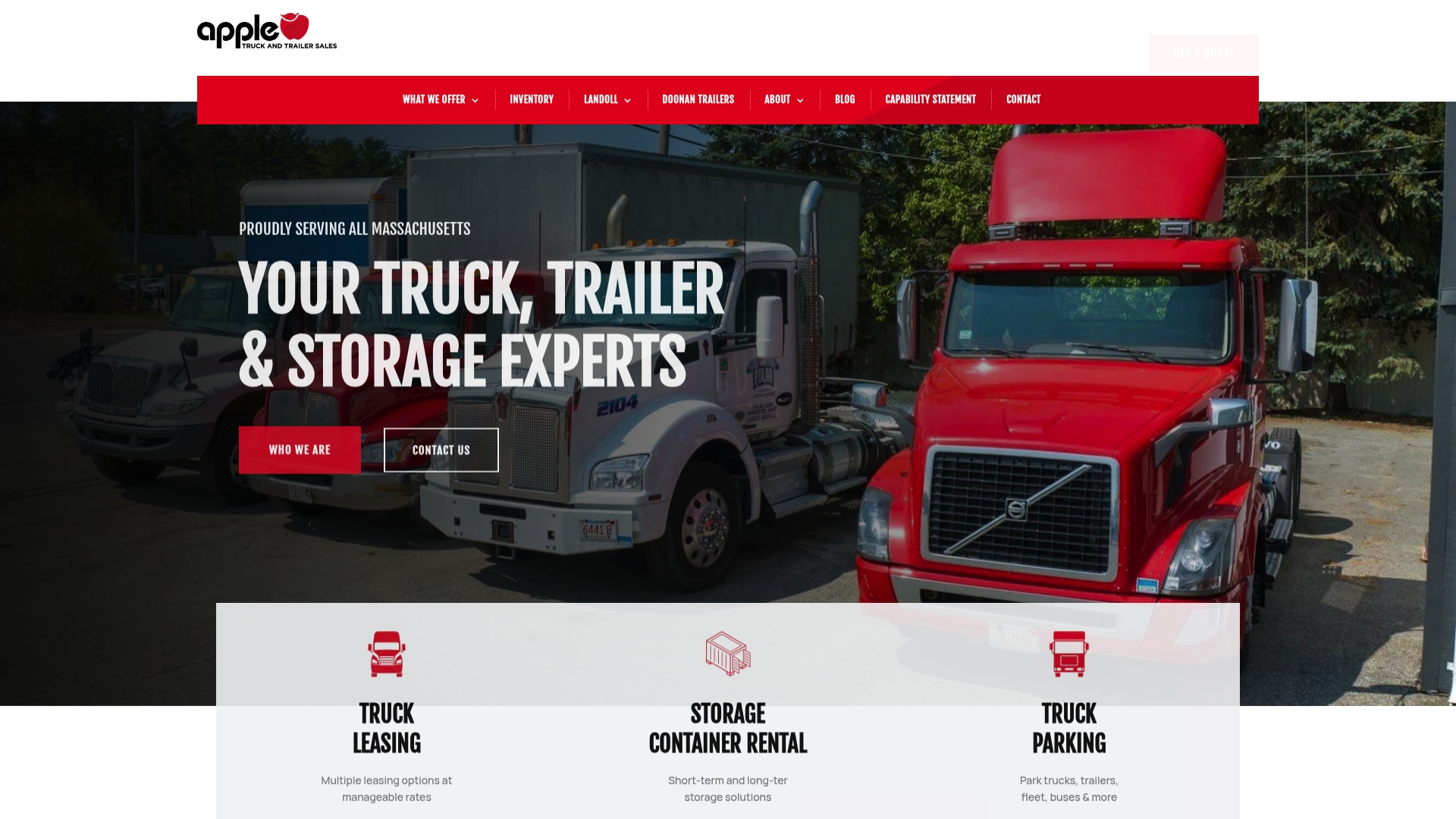
Take the next step toward seamless container storage by exploring our full range of storage solutions. Whether you need guidance on the perfect container setup, want to lease or buy, or require ongoing maintenance support, visit Apple Truck and Trailer now. Don’t let seasonal inventory challenges hold back your operation—secure your storage needs with confidence today.
Frequently Asked Questions
How can I find a suitable location for my 40ft container storage?
Assessing your storage location is vital for efficiency. Select a spot near your operations that allows easy access for your fleet. Conduct a trial access run to ensure unloading and loading are seamless.
What security features should I look for in a 40ft container?
Ensure your 40ft container has heavy-duty locks, durable steel construction, and weather sealing. Consider adding monitoring options like cameras to enhance protection against theft and environmental damage.
Should I rent or purchase a 40ft container for seasonal storage?
Decide based on your storage duration and budget flexibility. Renting offers lower upfront costs and flexibility for seasonal demands, while purchasing can provide long-term savings if you need consistent storage. Analyze your needs to determine the best financial path.
How do I manage inventory fluctuations in my 40ft container?
Plan for seasonal changes by consolidating inventory according to predicted demand peaks and troughs. Track historical data to optimize your storage levels and prevent backup when high demand hits.
What maintenance should I conduct on my 40ft container?
Establish a quarterly maintenance schedule that includes checks on door mechanisms, weatherproof seals, and rust assessments. Regular maintenance not only protects your investment but can also prevent expensive repairs down the line.
What are the main benefits of using a 40ft container for storage?
Using a 40ft container allows for efficient consolidation of inventory, better organization, and enhanced security for your goods. By utilizing this space, you can reduce costs significantly and improve accessibility to frequently needed items.