
More than sixty percent of American fleet operators say that secure commercial vehicle storage is vital for protecting their investments. With the value of trucks and specialized equipment climbing every year, effective storage solutions have never been more crucial. This guide walks you through key storage types and features that help American businesses keep their assets safe, compliant, and ready for action no matter the season.
Table of Contents
- Defining Commercial Vehicle Storage Solutions
- Types of Storage: Containers, Lots, and Facilities
- Key Features: Security, Access, and Maintenance
- Regulatory Requirements in Massachusetts and Region
- Cost Factors and Choosing the Right Solution
Key Takeaways
| Point | Details |
|---|---|
| Comprehensive Storage Solutions | Commercial vehicle storage goes beyond parking, offering protection, maintenance, and management tailored for fleet operators. |
| Types of Storage Options | Storage solutions include open-air lots, enclosed warehouses, covered pavilions, and secured indoor facilities, each with distinct advantages. |
| Security and Maintenance Importance | Effective storage must prioritize security measures, access management, and maintenance protocols to ensure asset protection and operational efficiency. |
| Regulatory Compliance | Facilities in Massachusetts need to adhere to federal, state, and local regulations to ensure public safety and operational standards are met. |
Defining Commercial Vehicle Storage Solutions
Commercial vehicle storage solutions are specialized facilities and systems designed to securely house and protect large transportation assets like trucks, trailers, and shipping containers when not in active use. These storage options go far beyond simple parking spaces, offering comprehensive protection, maintenance preparedness, and strategic management for fleet operators across Massachusetts and surrounding regions.
The core purpose of commercial vehicle storage involves protecting significant capital investments through strategic container handling and logistics management. Storage solutions for commercial fleets typically include secure outdoor lots, enclosed warehouses, covered pavilions, and dedicated parking zones that shield vehicles from environmental damage. Modern storage facilities incorporate multiple layers of protection, ranging from basic physical security like gated perimeters and surveillance systems to advanced climate-controlled environments that prevent deterioration of sensitive equipment.
According to specialized logistics research, commercial vehicle storage solutions can be categorized into several critical types:
- Open-air storage lots: Ideal for standard trailers and trucks with basic weather resistance needs
- Enclosed warehouse storage: Recommended for high-value or temperature-sensitive commercial vehicles
- Covered storage pavilions: Offering intermediate protection against direct sunlight and precipitation
- Secured indoor facilities: Providing maximum protection for specialized or premium fleet assets
Each storage option presents unique advantages depending on fleet composition, budget constraints, and specific operational requirements. Fleet managers must carefully evaluate their specific needs, considering factors like vehicle type, anticipated storage duration, environmental conditions, and potential maintenance requirements when selecting an appropriate storage strategy.
Types of Storage: Containers, Lots, and Facilities
Commercial vehicle storage encompasses three primary infrastructure types: storage containers, outdoor lots, and dedicated facilities, each serving unique operational needs for fleet management across Massachusetts and surrounding regions. Understanding these storage options allows fleet managers to make strategic decisions about protecting their valuable transportation assets.
Shipping container storage solutions represent a versatile option for businesses needing secure, adaptable storage. According to specialized transportation research, container yards are meticulously organized spaces designed to maximize storage efficiency and security. These storage environments typically incorporate sophisticated handling equipment and strategic placement protocols to ensure optimal asset protection.
The primary types of commercial vehicle storage infrastructure include:
- Shipping Containers: Portable, weatherproof units ideal for temporary and long-term storage
- Open Storage Lots: Large outdoor spaces for parking trucks, trailers, and equipment
- Enclosed Facilities: Climate-controlled warehouses offering maximum protection
- Covered Pavilions: Semi-enclosed spaces protecting vehicles from direct environmental exposure
Each storage solution presents distinct advantages based on specific operational requirements. Fleet managers must carefully evaluate factors like vehicle type, storage duration, environmental conditions, budget constraints, and maintenance needs when selecting the most appropriate storage infrastructure. By understanding the nuanced characteristics of different storage options, businesses can implement robust strategies that protect their valuable transportation assets while optimizing operational efficiency.
Key Features: Security, Access, and Maintenance
Commercial vehicle storage facilities must prioritize three critical operational components: robust security measures, strategic access management, and comprehensive maintenance protocols. These interconnected elements form the foundation of effective asset protection and operational efficiency for fleet management across Massachusetts and surrounding regions.

Fleet maintenance strategies are fundamental to preserving vehicle integrity and operational readiness. According to comprehensive logistics research, effective storage facilities must implement multilayered security approaches that protect valuable assets from potential risks.
Key features of advanced commercial vehicle storage solutions include:
- Perimeter Security:
- Electronic fencing
- 24/7 surveillance cameras
- Motion detection systems
- Access Control:
- Biometric entry points
- Restricted zone management
- Digital tracking of personnel movements
- Maintenance Infrastructure:
- Climate-controlled environments
- Regular inspection protocols
- Dedicated maintenance bays
Each storage facility must develop a holistic approach that balances physical security, controlled access, and proactive maintenance. Fleet managers should carefully evaluate potential storage solutions based on their specific operational requirements, understanding that comprehensive protection extends far beyond simple parking spaces. Strategic investment in robust storage infrastructure ultimately minimizes potential risks and ensures the longevity and performance of valuable commercial transportation assets.
Regulatory Requirements in Massachusetts and Region
Commercial vehicle storage facilities in Massachusetts must navigate a complex landscape of federal, state, and local regulations that govern equipment storage, safety standards, and operational protocols. These regulatory frameworks are designed to ensure public safety, environmental protection, and efficient transportation infrastructure across the Northeast region.
Truck parking regulations represent a critical component of commercial vehicle storage compliance. According to comprehensive transportation research, storage facilities must adhere to multiple regulatory standards that address equipment quality, safety protocols, and environmental considerations.
Key regulatory requirements for commercial vehicle storage in Massachusetts include:
- Federal Regulations:
- Department of Transportation (DOT) safety standards
- Federal Motor Carrier Safety Administration (FMCSA) guidelines
- Environmental Protection Agency (EPA) emissions standards
- State-Level Compliance:
- Massachusetts commercial vehicle registration requirements
- State-specific parking and storage ordinances
- Commercial vehicle inspection protocols
- Local Municipal Requirements:
- Zoning restrictions for storage facilities
- Local environmental protection guidelines
- Municipal safety and security regulations
Fleet operators must remain vigilant about evolving regulatory landscapes, understanding that compliance is an ongoing process requiring continuous monitoring and adaptation. Successful storage solutions integrate robust regulatory knowledge with proactive management strategies, ensuring that commercial vehicle storage facilities meet or exceed all applicable federal, state, and local requirements while maintaining operational efficiency and safety standards.
Cost Factors and Choosing the Right Solution
Selecting the most appropriate commercial vehicle storage solution requires a comprehensive analysis of multiple financial and operational considerations. Fleet managers must balance initial investment costs, long-term maintenance expenses, and strategic operational requirements to develop a cost-effective storage strategy that maximizes asset protection and operational efficiency.
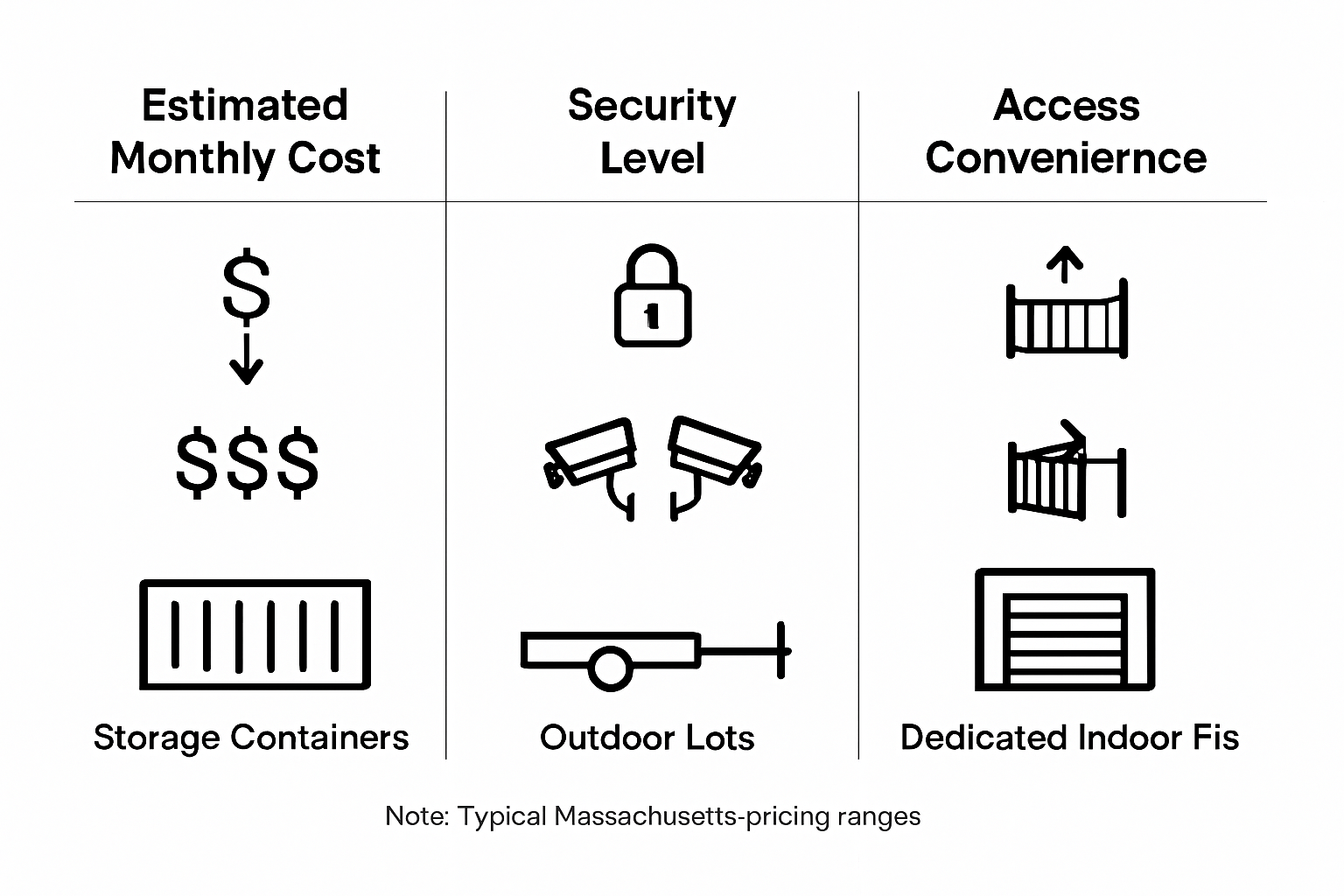
Box truck storage solutions represent a critical decision point for businesses evaluating their storage infrastructure. According to comprehensive transportation research, storage facility selection involves analyzing complex cost factors that extend beyond simple rental or purchase pricing.
Key cost considerations for commercial vehicle storage include:
- Direct Financial Factors:
- Initial facility acquisition or lease costs
- Monthly storage fees
- Infrastructure maintenance expenses
- Security system investments
- Indirect Cost Elements:
- Vehicle depreciation prevention
- Reduced maintenance requirements
- Insurance premium adjustments
- Operational efficiency improvements
- Strategic Cost Evaluation Metrics:
- Proximity to primary operational zones
- Scalability of storage infrastructure
- Technology integration capabilities
- Long-term contractual flexibility
Successful fleet managers approach storage solutions as strategic investments rather than simple expenses. By conducting thorough cost-benefit analyses and understanding the nuanced financial implications of different storage options, businesses can develop tailored solutions that optimize both financial performance and operational readiness across their commercial vehicle portfolios.
Secure Your Massachusetts Fleet with Trusted Storage Solutions
Protecting your commercial vehicles from weather damage, theft, and compliance challenges is essential to keeping your fleet efficient and road-ready. If managing secure parking, maintenance access, and long-term storage feels overwhelming, you are not alone. Many fleet operators face high costs, regulatory complexity, and the need for tailored storage solutions that fit diverse vehicle types and operational needs.
At Apple Truck & Trailer, we understand these critical demands. Explore our range of Long-Term Storage Solutions and Semi Trailer Storage options designed specifically for Massachusetts fleets. Whether you require covered storage to prevent environmental wear or fully secured lots with comprehensive access controls, our high-quality equipment and expert service protect your investment.

Don’t wait until costly repairs or compliance issues arise. Visit Apple Truck & Trailer today to discover how our storage services combined with premium used trucks and trailers can streamline your operations and enhance fleet longevity. Request a quote or contact our team now to tailor the perfect storage strategy for your business.
Frequently Asked Questions
What are the main types of commercial vehicle storage solutions?
Commercial vehicle storage solutions include shipping containers, open storage lots, enclosed facilities, and covered pavilions. Each type offers different levels of protection and is suited for various operational needs based on vehicle type and environmental factors.
How do I choose the right commercial vehicle storage for my fleet?
Selecting the right storage solution involves evaluating factors like the type of vehicles, anticipated storage duration, environmental conditions, budget constraints, and maintenance needs. This analysis helps fleet managers implement a strategy that ensures optimal asset protection and operational efficiency.
What security features should I look for in a commercial vehicle storage facility?
Key security features include perimeter security such as electronic fencing and surveillance cameras, access control systems like biometric entry points, and robust maintenance infrastructure to protect and preserve the vehicles being stored.
What are the regulatory requirements for commercial vehicle storage?
Commercial vehicle storage must comply with federal regulations (like DOT and FMCSA standards), state requirements related to vehicle registration and inspection, and local zoning and environmental guidelines to ensure safety and operational efficiency.