
Everyone thinks a storage container is safe once the doors are shut and locked. The reality is much different. A single overlooked weak spot can leave thousands of dollars worth of equipment at risk. Most people obsess over the lock itself, but forget about the vulnerable corners, flimsy hasps, or even the wrong type of bolt. Real security starts long before you turn the key.
Table of Contents
- Step 1: Assess The Type Of Lock Needed
- Step 2: Gather Necessary Tools And Supplies
- Step 3: Install The Lock On The Container
- Step 4: Secure The Container With Lock
- Step 5: Test The Lock For Security
- Step 6: Verify All Access Points Are Secured
Quick Summary
| Key Point | Explanation |
|---|---|
| 1. Select Appropriate Lock Type | Choose a lock that fits your container’s material and security needs to ensure maximum protection. |
| 2. Gather Essential Installation Tools | Prepare necessary tools and supplies to facilitate a successful lock installation and enhance security. |
| 3. Install Lock Precisely | Ensure correct mounting and alignment when installing the lock to prevent vulnerabilities and maintain security. |
| 4. Test Lock Functionality and Security | Conduct thorough tests to verify the lock’s performance and resistance to tampering to ensure reliability. |
| 5. Check All Access Points | Inspect every potential entry point on the container to identify and address vulnerabilities for comprehensive security. |
Step 1: Assess the Type of Lock Needed
Securing a storage container begins with selecting the right lock—a critical decision that determines your overall security strategy. Not all locks provide equal protection, and understanding your specific needs will help you choose the most effective solution.
Storage containers face unique security challenges, ranging from lightweight portable units to heavy shipping containers used in commercial settings. The lock you select must match the container’s material, design, and potential exposure to environmental conditions. Metal thickness, hasp design, and potential stress points will influence your lock choice.
For most storage containers, you’ll want to consider several lock categories. Padlocks remain a popular choice, but not all padlocks deliver the same security level. According to Purdue University Extension, selecting a padlock requires evaluating several key factors:
- Shackle thickness: Thicker shackles resist cutting attempts
- Hidden shackle design: Reduces vulnerability to bolt cutters
- Material durability: Stainless steel or hardened steel resists corrosion
Commercial storage containers often require more robust locking mechanisms. Considerations include weatherproofing, resistance to tampering, and compatibility with container door configurations. A standard residential padlock might suffice for a backyard storage unit, but industrial containers demand more sophisticated security solutions.
When assessing lock types, consider your specific environment. Coastal regions with high salt exposure need corrosion-resistant locks, while areas with extreme temperature variations require locks engineered to maintain functionality across different conditions. Evaluate potential security risks—is your container in a high-traffic area, remote location, or secured facility?
Your final lock selection should balance three critical factors: strength, accessibility, and practicality. A lock that’s impossible to open quickly can be as problematic as one that’s easy to breach. Professional storage facilities and fleet managers often recommend investing in high-quality locks with rekeyable mechanisms and multiple backup entry methods.
Successful lock assessment means matching the lock’s capabilities precisely to your container’s requirements, ensuring maximum security without compromising convenient access when needed.
Step 2: Gather Necessary Tools and Supplies
Preparing to secure your storage container requires thoughtful preparation and gathering the right equipment. Proper tool selection can mean the difference between a smooth installation and a frustrating experience that compromises your container’s security.
Your toolkit should include precision instruments designed specifically for lock installation and security reinforcement. Start by collecting essential hardware: a high-quality measuring tape, drill with multiple drill bit sizes, metal file, lubricating spray, safety glasses, and work gloves. These tools will help you measure accurately, create precise mounting points, and handle potential metal edges safely.
According to University of Delaware safety guidelines, developing a systematic approach to security preparation is crucial. Your lock installation kit should include multiple backup components and redundant security measures.
Key supplies for comprehensive container lock installation include:
- Lock selection: Hardened steel padlock or specialized container lock
- Mounting hardware: Corrosion-resistant bolts, washers, and nuts
- Protective gear: Safety glasses, work gloves, dust mask
- Precision tools: Metal drill bits, measuring tape, metal file
- Additional security: Optional secondary locking mechanism
Beyond basic tools, consider environmental factors that might impact your lock’s performance. If your storage container will be exposed to harsh weather conditions, select lubricants and protective sprays that can withstand temperature fluctuations and moisture. Stainless steel or zinc-coated hardware provides superior resistance to rust and corrosion.
Metal containers require specialized drilling techniques to prevent structural compromise. Use carbide or cobalt drill bits designed for metal surfaces, and apply cutting oil to reduce friction and prevent bit overheating. Always mark your drilling points carefully, ensuring precise alignment and minimal container wall penetration.
Professional installers recommend creating a staged workspace before beginning the lock installation. Clear your work area, organize tools systematically, and ensure you have adequate lighting and space to maneuver. A well-prepared workspace reduces installation time and minimizes potential errors.
Verify your tool inventory before starting. Missing a single specialized tool can halt your entire security upgrade process. Double-check that all components are present, functional, and appropriate for your specific storage container’s design and material composition.
Below is a tools and supplies table to help you quickly identify each required item, its specifications, and its purpose during the lock installation process.
| Tool/Supply | Specification/Type | Purpose |
|---|---|---|
| Measuring Tape | Metal, standard or retractable | For accurate measurement and alignment |
| Drill | Variable speed, corded/cordless | Creating mounting holes in container metal |
| Metal Drill Bits | Carbide or cobalt, assorted sizes | For drilling into thick metal surfaces |
| Metal File | Flat or half-round | Smoothing edges around drilled holes |
| Lubricating Spray | Weather-resistant, non-oil based | Eases lock mechanism and protects from rust |
| Safety Glasses | Shatter-resistant, wraparound | Protects eyes from metal shavings |
| Work Gloves | Heavy-duty, cut-resistant | Hand protection during installation |
| Corrosion-resistant Bolts/Nuts/Hardware | Stainless steel or zinc-coated | Secures the lock to the container |
| Dust Mask | Disposable or respirator | Protects from metal dust during drilling |
| Additional Security Device | Cable lock, secondary padlock | Adds an extra layer of protection |
Step 3: Install the Lock on the Container
Installing a lock on your storage container requires precision, patience, and a systematic approach. Proper installation is your first line of defense against potential unauthorized access, transforming a simple metal box into a secure storage solution.
Begin by carefully examining your container’s door structure and identifying the most strategic mounting location. The ideal spot provides maximum protection while maintaining ease of access. Typically, this means selecting a point on the door hasp or reinforced metal frame that offers the least vulnerability to potential tampering.
According to University of Minnesota security protocols, creating a secure mounting point involves more than simple attachment. You’ll need to prepare the surface meticulously, ensuring a tight, stable connection that resists manipulation.
Precision marking becomes crucial during this phase. Use a sharp metal scribe or permanent marker to outline exact drilling points, taking care to avoid existing container structural supports or electrical conduits. Measure twice and mark carefully—a millimeter’s difference can compromise your entire security strategy.
Key installation considerations include:
- Alignment precision: Ensure lock sits perfectly flush against container surface
- Drilling technique: Use slow, steady pressure with metal-specific drill bits
- Hardware selection: Choose corrosion-resistant bolts matching lock specifications
- Seal protection: Apply weatherproof sealant around mounting points
When drilling, maintain a steady hand and moderate drill speed to prevent metal warping or unexpected structural damage. Apply cutting oil to reduce friction and prevent bit overheating. Work methodically, allowing the drill to do the work without excessive pressure. Carbide or cobalt drill bits designed for metal surfaces provide the most reliable performance.
After creating mounting holes, clean the area thoroughly. Remove metal shavings using a soft brush and compressed air, then apply a thin layer of anti-corrosion spray to prevent future rust development. This extra step significantly extends your lock’s functional lifespan and maintains its structural integrity.
Verify your installation by testing the lock’s movement, checking for smooth operation without excessive play or wobbling. A properly installed lock should feel solid and immovable, with no discernible side-to-side movement.
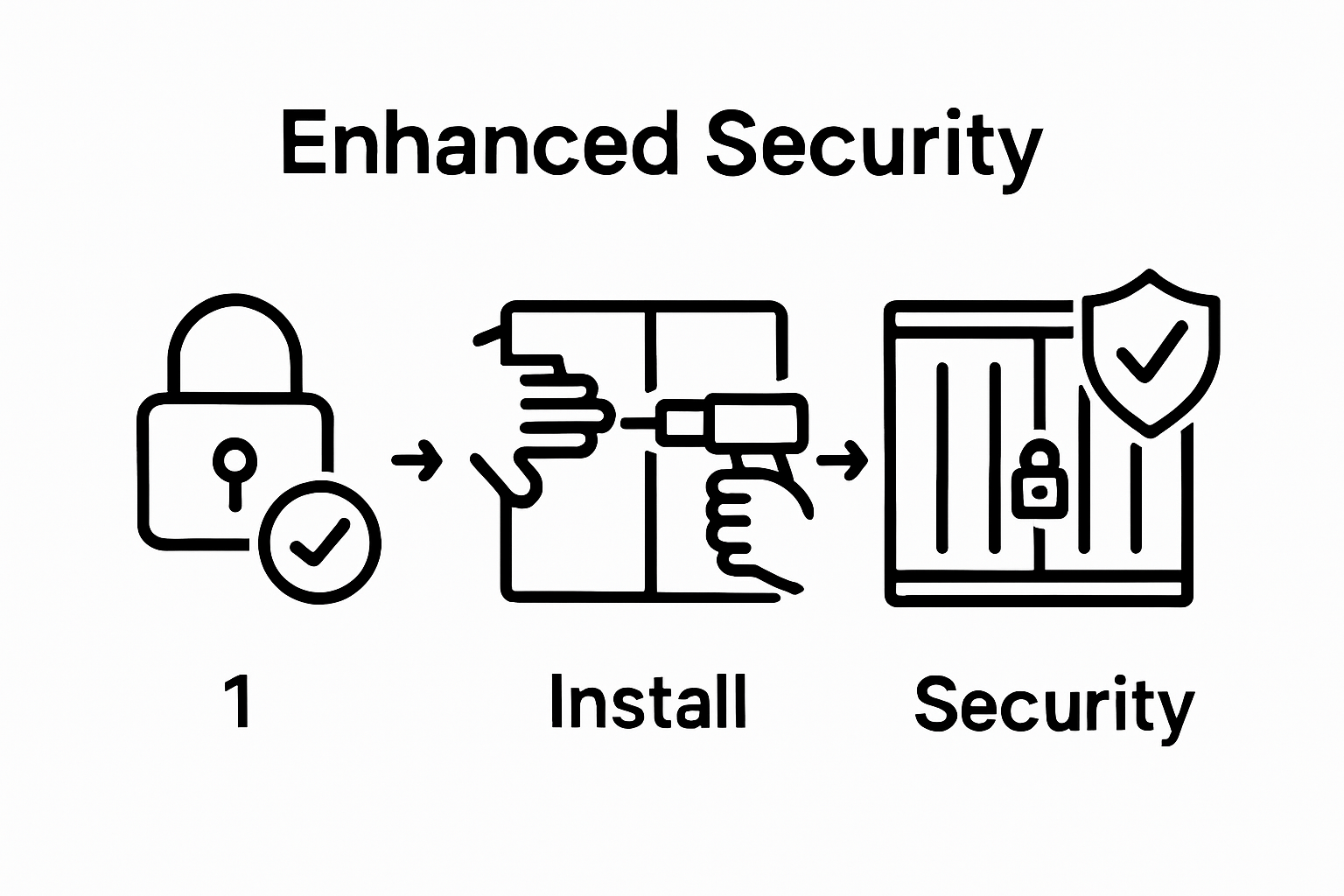
Gently attempt to wiggle the lock—minimal movement indicates a secure mounting.
Final installation requires applying a small amount of lubricant to the lock mechanism, ensuring smooth operation and protecting internal components from moisture and debris. Your goal is creating a security solution that looks professional, functions flawlessly, and deters potential intrusion.
Step 4: Secure the Container with Lock
Securing your storage container represents the critical moment where preparation transforms into actual protection. Locking your container is more than a mechanical action—it’s your first line of defense against potential theft or unauthorized access.
Begin by carefully positioning your selected lock, ensuring it fits snugly within the container’s designated mounting point. The lock should sit firmly without any noticeable wiggle room, creating a seamless barrier that communicates serious security intent. Check the alignment carefully, making certain the lock’s mechanism fully engages with the container’s hasp or mounting point.
According to University of Maine’s Research Compliance guidelines, implementing multiple layers of security significantly reduces potential breaches. This principle applies perfectly to storage container protection.
When inserting the lock, apply steady, even pressure. A well-installed lock should require minimal force to close and lock. Listen for a clear, solid clicking sound that indicates complete engagement. Resist the temptation to force the lock if it does not close smoothly—this might indicate misalignment or potential mechanical issues.
Key lock securing techniques include:
- Full closure verification: Ensure lock is completely closed
- Wiggle test: Check for any unexpected movement
- Visual inspection: Confirm no gaps around lock mechanism
- Combination/key check: Test lock opens and closes correctly
Consider adding a secondary security measure for enhanced protection. For instance, a cable lock or additional padlock can provide redundant security. If your container will be exposed to harsh environmental conditions, select locks with weather-resistant coatings that prevent rust and maintain functionality.
Professional installers recommend periodic lock maintenance. Apply a small amount of graphite-based lubricant to the lock mechanism every few months, which helps prevent internal corrosion and ensures smooth operation. Avoid oil-based lubricants, as these can attract dirt and potentially compromise the lock’s internal components.
For those seeking comprehensive container security, check out our guide on secure storage containers to explore additional protection strategies. The final test of your lock’s effectiveness is its ability to withstand potential tampering while providing convenient access for authorized users.
Verify your installation by attempting to manipulate the lock from multiple angles. A properly secured container lock should resist side-to-side movement, demonstrate no visible gaps, and feel solid when touched. Your goal is creating a security solution that looks professional and functions as an effective deterrent against unauthorized access.
Step 5: Test the Lock for Security
Testing your storage container’s lock is the critical final stage that transforms installation into genuine security. A lock is only as good as its ability to withstand real-world challenges, making this verification process essential for ensuring your container remains protected.
Begin by conducting a comprehensive series of systematic tests designed to expose potential vulnerabilities. Start with the basic functional test—engage and disengage the lock multiple times, paying close attention to smooth operation and consistent mechanism performance. Any hesitation, grinding, or unusual resistance could indicate future mechanical failure.
According to U.S. Forest Service security guidelines, professional lock assessment requires more than simple operational checks. You’ll want to simulate potential tampering scenarios to truly understand your lock’s resilience.
Perform a detailed physical inspection that goes beyond mere functionality. Examine the lock from multiple angles, checking for any signs of structural weakness or potential points of compromise. Use a flashlight to inspect mounting points, looking for any gaps or loose connections that might provide leverage for unauthorized entry.
Critical security testing procedures include:
- Wiggle test: Apply lateral pressure to check lock stability
- Stress test: Gently attempt to manipulate lock without full force
- Environmental simulation: Test lock performance in different temperatures
- Accessibility assessment: Verify lock remains challenging for potential intruders
Consider introducing controlled stress scenarios. Using reasonable pressure, attempt to simulate potential tampering techniques without causing damage. This might involve gentle prying, applying side pressure, or testing the lock’s resistance to basic manipulation attempts. The goal is understanding your lock’s true defensive capabilities.
Professional security experts recommend documenting your testing process. Take detailed notes or photographs that record the lock’s performance, noting any observations about its mechanical integrity. This documentation can prove valuable for future maintenance or potential insurance claims.
Remember that lock security extends beyond the physical mechanism. Consider the surrounding environment—is the container placed in a location that provides additional natural deterrence? Visibility, lighting, and surrounding security infrastructure play crucial roles in comprehensive protection.
Your final verification involves a holistic assessment. A truly secure lock should demonstrate consistent performance, resist basic manipulation attempts, and provide peace of mind. If any doubts emerge during testing, do not hesitate to consult a professional locksmith who can provide advanced security recommendations.
Step 6: Verify All Access Points Are Secured
Securing a storage container extends far beyond installing a single lock—it requires a comprehensive approach that addresses every potential vulnerability. Total security demands meticulous attention to every possible entry point, transforming your container from a simple metal box into an impenetrable fortress.
Begin with a systematic visual inspection, walking completely around the container and examining each potential access area. Look beyond the obvious main door, scrutinizing ventilation points, potential structural seams, and any auxiliary openings that might provide alternative entry. Even the smallest unprotected gap can compromise your entire security strategy.
According to U.S. Nuclear Regulatory Commission security protocols, comprehensive security requires establishing a rigorous verification system that leaves no potential breach unaddressed. This means treating every potential access point as a potential security risk.
Focus on structural integrity alongside lock installation. Inspect the container’s walls, checking for any signs of previous damage, rust, or structural weakness that might create alternative entry points. Pay special attention to corners and seams, as these areas often represent potential vulnerability zones that clever intruders might exploit.
Critical access point verification steps include:
- Perimeter check: Examine entire container exterior for potential breaches
- Seal inspection: Verify all seams and joints remain intact
- Hardware assessment: Confirm all existing fasteners and mounting points are secure
- Auxiliary opening review: Identify and secure any secondary entry possibilities
Consider implementing secondary security measures for comprehensive protection. This might involve adding additional padlocks, installing steel reinforcement plates over potential weak points, or using security seals that provide visual evidence of tampering. Remember that deterrence is often as important as physical barriers.
Professional security experts recommend creating a detailed documentation log of your security assessment. Photograph each access point, noting any potential vulnerabilities and the specific steps taken to address them. This documentation serves multiple purposes—providing a baseline for future inspections and creating a record of your security diligence.
Your final verification involves a holistic security perspective. A truly secure container should present a unified, robust barrier that communicates serious protective intent.
Review the following checklist table to ensure you have thoroughly secured every access point and critical area of your container during the final verification step.
| Area to Inspect | What to Check | Completion Status |
|---|---|---|
| Container Perimeter | Walk around entire exterior for breaches | |
| Seams and Joints | Verify all seals and welds are intact | |
| Main Door and Hasp | Confirm no visible gaps or misalignment | |
| Mounting Hardware | Ensure all bolts and fasteners are secure | |
| Auxiliary/Ventilation Openings | Look for unprotected or unsecured gaps | |
| Corners and Edges | Inspect for rust, damage, or weak spots | |
| Security Devices | Test all installed locks and reinforcements |
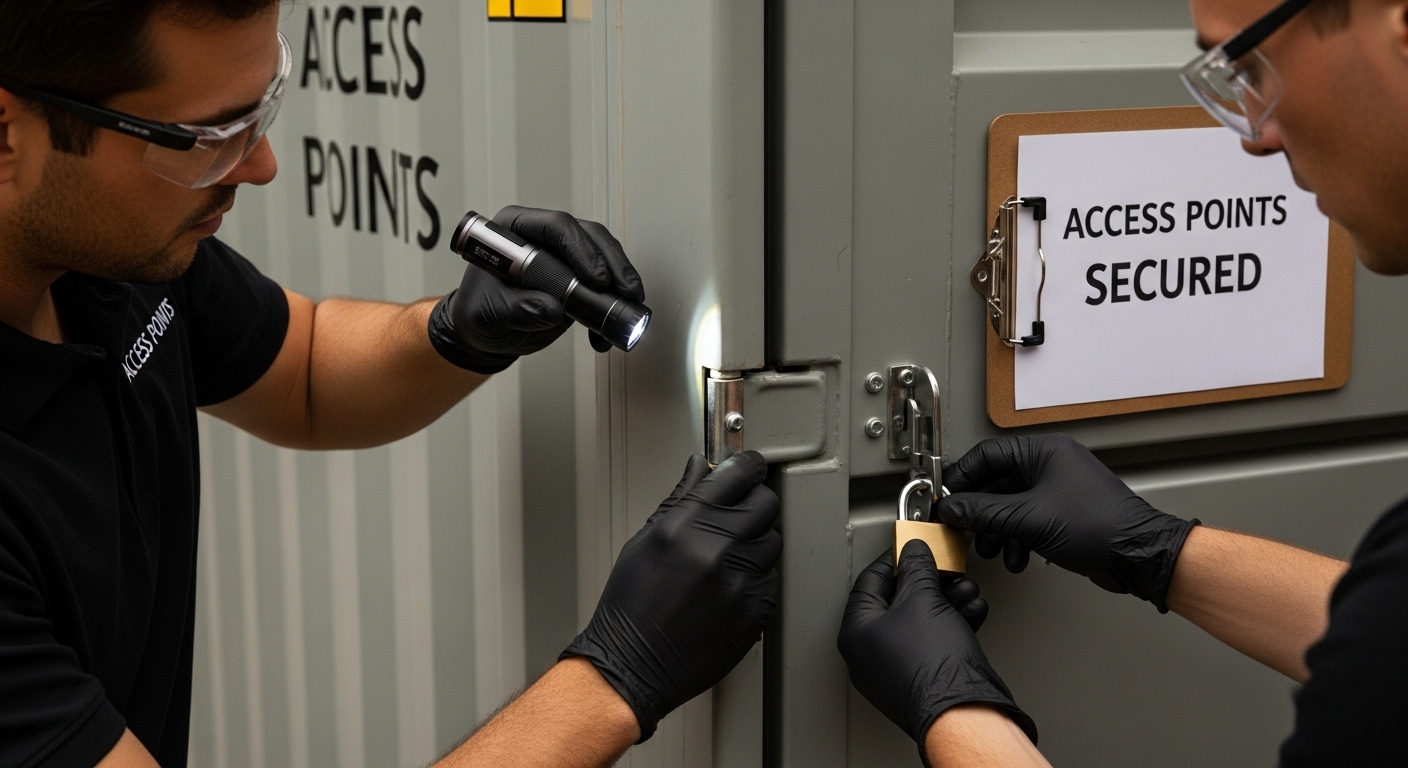 Walk away from your container and view it from multiple angles, assessing its overall security profile. If any doubts emerge, do not hesitate to consult a professional security consultant who can provide advanced recommendations.
Achieve True Container Security with Trusted Local Storage Experts
Have you ever worried if your storage container is really secure? It can be stressful knowing that even a top-quality lock is only part of the solution. As the article explained, real peace of mind depends on choosing the right lock type, ensuring a flawless installation, and double-checking every access point. Hard work deserves real protection, and that is where our expertise comes in. Let your container stand up to harsh weather, heavy use, and determined attempts at entry with help from professionals who care about security as much as you do. Discover our storage container selection to find models built for serious safety in every environment.
Ready to secure your valuables without the guesswork? Trust Apple Truck & Trailer for storage solutions you can count on. We offer rugged containers, fast delivery, and a support team with decades of experience in the Northeast. Whether you want a short-term rental or a permanent container for your business or home, request a quote now and protect your equipment the right way. Waiting could leave your assets exposed, so reach out today and take the first step toward a safer future.
Frequently Asked Questions
How do I choose the right lock for my storage container?
Selecting the right lock involves evaluating key factors such as shackle thickness, hidden shackle design, and material durability. For portable units, a sturdy padlock may suffice, but for commercial containers, consider a robust locking mechanism that can withstand tampering and environmental conditions.
What tools do I need to install a lock on my storage container?
You’ll need tools like a measuring tape, a drill with metal drill bits, a metal file, safety glasses, work gloves, and optional lubricants. Ensure you have corrosion-resistant mounting hardware and protective gear to safely complete the installation.
How can I secure all access points of my storage container?
To secure all access points, conduct a thorough visual inspection of the entire exterior, including doors, seams, and ventilation points. Verify that all locks are properly installed and consider adding additional padlocks or reinforcement plates over potential weak areas.
What maintenance should I perform on my storage container lock?
Regular maintenance includes testing the lock for functionality, applying graphite-based lubricant to the mechanism every few months, and checking for any signs of rust or damage. Documenting your maintenance checks can ensure ongoing security and proper functioning.