
Most American businesses in logistics rely on trailer rentals to stay agile in a fast-changing market. With over 65 percent of fleet managers turning to rental solutions, flexible access to specialized trailers is redefining how companies handle supply chain challenges. Knowing what trailer rental really means can help you make smarter decisions about cost, convenience, and risk, whether you are scaling operations or dealing with seasonal demand spikes.
Table of Contents
- What Trailer Rental Really Means
- Types of Trailers and Rental Options
- Rental Process, Eligibility, and Terms
- Insurance, Licensing, and Safety Requirements
- Costs, Fees, and Avoidable Mistakes
Key Takeaways
| Point | Details |
|---|---|
| Trailer Rental as a Strategic Solution | Trailer rental provides flexible access to equipment, allowing businesses to scale operations without heavy capital investments. |
| Diverse Trailer Options | Various trailer types, such as flatbed and refrigerated units, cater to specific operational needs across industries. |
| Comprehensive Rental Process | Renting involves clear qualification criteria and a structured process, ensuring operational safety and financial stability. |
| Cost Considerations and Mistakes | Understanding pricing structures and avoiding hidden fees is crucial for effective budget management in trailer rentals. |
What Trailer Rental Really Means
Trailer rental represents far more than simply borrowing a mobile storage unit – it’s a strategic business solution for transportation and logistics professionals. At its core, trailer rental provides flexible access to specialized equipment without substantial capital investment, enabling businesses to scale operations dynamically and manage fluctuating fleet requirements.
Understanding trailer rental requires recognizing its strategic value across multiple industries. Temporary mobile housing solutions demonstrate how versatile trailer rentals can be, from emergency management to commercial logistics. Fleet managers leverage rental options to address short term needs, seasonal demand spikes, or specific project requirements without committing to permanent equipment purchases.
The rental process typically involves selecting an appropriate trailer configuration based on specific operational needs. Commercial users might require flatbed trailers for heavy equipment transport, refrigerated units for perishable goods, or enclosed trailers for secure cargo movement. Key considerations include payload capacity, trailer dimensions, specialized features, rental duration, and total cost of temporary ownership. Smart fleet operators analyze these variables to optimize their transportation strategies, treating trailer rental as a flexible, cost effective alternative to traditional equipment acquisition.
Beyond mere transportation, modern trailer rental services offer comprehensive support packages. These often include maintenance services, roadside assistance, insurance coverage, and flexible rental terms that adapt to changing business landscapes. By partnering with reputable rental providers, businesses can access high quality equipment without managing extensive maintenance infrastructures, ultimately reducing operational complexity and financial risk.
Types of Trailers and Rental Options
Trailer rental encompasses a diverse range of specialized equipment designed to meet specific transportation and storage needs across multiple industries. Comprehensive trailer guides reveal the complexity and versatility of trailer configurations available to businesses and individual users seeking flexible transportation solutions.
Commercial trailer types represent a critical segment of rental options, each engineered for unique operational requirements. Flatbed trailers excel in heavy equipment transport, offering open platforms with exceptional load capacity. Refrigerated trailers, known as reefers, provide temperature-controlled environments critical for perishable goods transportation. Enclosed trailers ensure secure cargo movement, protecting sensitive materials from external elements. Specialized trailers like lowboy models accommodate oversized machinery, while tanker trailers support liquid and bulk material transportation.
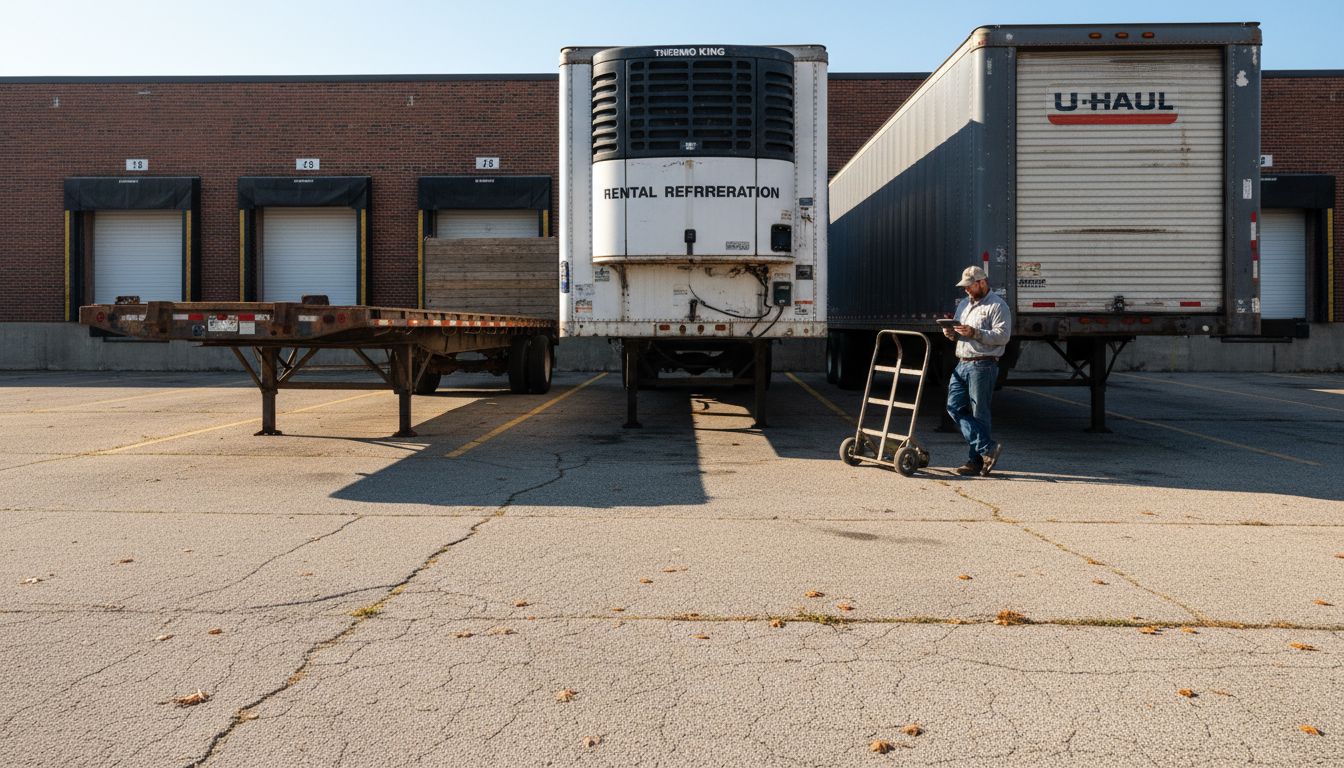
Rental selection involves careful analysis of several key factors. Payload capacity, trailer dimensions, structural durability, and specific industry requirements guide the selection process. Trailer configuration depends on cargo type, transportation distance, and environmental conditions. Fleet managers must consider weight restrictions, axle configurations, and potential attachment mechanisms when choosing rental units. Pricing structures typically involve daily, weekly, or monthly rental rates, with additional considerations for mileage, insurance, and potential maintenance packages.
Modern trailer rental services have evolved beyond simple equipment provision. Comprehensive rental guides highlight the importance of flexible rental terms, technical support, and comprehensive service packages. Reputable providers offer maintenance support, roadside assistance, and customizable rental agreements that adapt to changing business needs. This approach transforms trailer rental from a transactional service to a strategic business solution, enabling organizations to optimize their logistics infrastructure without substantial capital investment.
Rental Process, Eligibility, and Terms
Trailer rental requires navigating a comprehensive set of procedural requirements designed to protect both rental providers and customers. Rental company selection processes reveal a structured approach that goes beyond simple equipment exchange, involving multiple verification steps and operational considerations.
Qualification Criteria for trailer rental typically involve several key components. Most providers require renters to be at least 21 years old with a valid commercial driver’s license for larger trailers, and a standard driver’s license for smaller units. Credit checks and driving history assessments are standard practice, ensuring renters have the necessary skills and financial stability to manage rented equipment. Insurance requirements vary by trailer type and intended use, with commercial rentals often demanding more extensive coverage than personal recreational applications.
The rental process itself follows a systematic workflow. Initial steps include determining precise trailer specifications, conducting availability checks, and submitting required documentation. Potential renters must provide proof of commercial registration, business credentials, or personal identification depending on the rental category. Financial considerations include security deposits, which can range from several hundred to several thousand dollars based on trailer value and rental duration. Pricing structures incorporate base rental rates, mileage fees, potential damage waivers, and supplemental insurance options.
Modern trailer rental agreements incorporate flexible terms designed to accommodate diverse business and personal needs. Rental periods can span from 24-hour short-term agreements to multi-month long-term leases, with prorated pricing and volume discounts often available for extended rentals. Reputable providers offer transparent terms that clearly outline responsibilities, including maintenance expectations, return conditions, and potential penalties for late returns or equipment damage. Advanced rental services now include digital documentation, online booking platforms, and real-time tracking capabilities, streamlining the entire rental experience for commercial and individual customers alike.
Insurance, Licensing, and Safety Requirements
Rental vehicle insurance considerations reveal a complex landscape of regulatory and safety requirements that extend far beyond simple financial protection. Trailer rentals demand comprehensive understanding of legal obligations, insurance protocols, and operational safety standards that safeguard both equipment and personnel.
Licensing Requirements represent the foundational element of trailer rental eligibility. Commercial trailer rentals typically necessitate a commercial driver’s license (CDL) with specific endorsements based on trailer weight, cargo type, and transportation distance. Different trailer classifications require unique licensing credentials. For instance, trailers exceeding 26,000 pounds or those carrying hazardous materials mandate more stringent licensing protocols. Drivers must maintain current medical certifications, pass periodic driving record checks, and demonstrate consistent compliance with Department of Transportation regulations.
Comprehensive trailer safety guidelines emphasize the critical importance of insurance coverage tailored to specific operational contexts. Commercial rental insurance packages typically incorporate multiple protection layers: primary liability coverage, physical damage protection, cargo insurance, and supplemental comprehensive policies. Pricing depends on factors including trailer value, intended use, transportation routes, and historical risk assessments. Specialized trailers transporting temperature-sensitive or high-value cargo often require additional specialized insurance riders addressing unique operational risks.
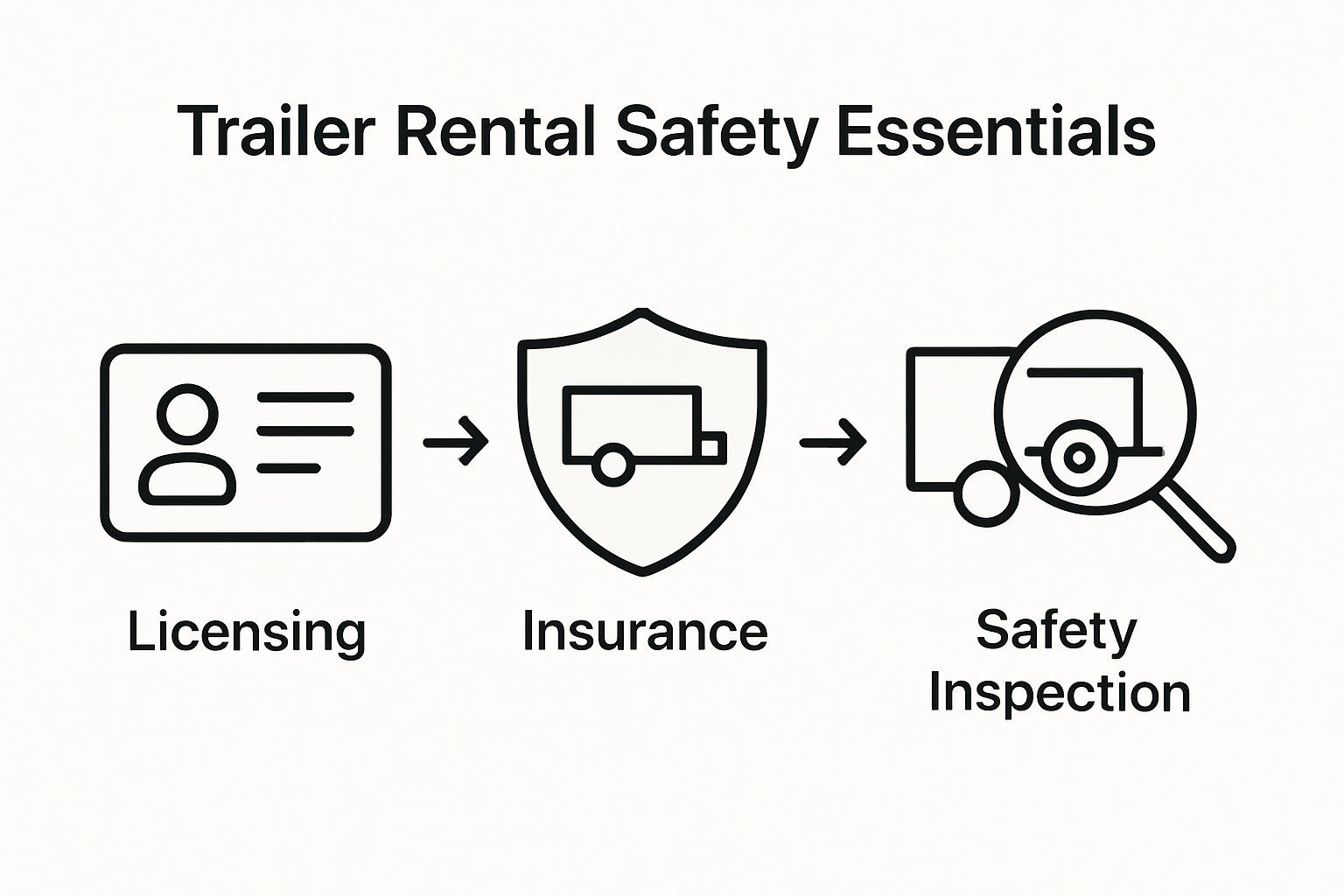
Safety requirements extend beyond documentation and insurance. Rental providers mandate thorough equipment inspections, maintenance documentation, and compliance with federal and state transportation regulations. Pre-rental safety checks include comprehensive trailer structural assessments, brake system evaluations, tire condition verification, and electrical system functionality tests. Drivers must understand and implement proper loading techniques, weight distribution protocols, and secure cargo management strategies. Ongoing training programs, periodic equipment recertification, and adherence to evolving safety standards represent critical components of responsible trailer rental operations.
Costs, Fees, and Avoidable Mistakes
Mobile office trailer rental costs unveil a complex pricing landscape that demands strategic financial planning and thorough understanding. Trailer rental expenses extend far beyond simple base rates, encompassing multiple financial considerations that can significantly impact overall budgeting for businesses and individual users.
Rental pricing structures typically incorporate several key components. Base rental rates vary dramatically based on trailer type, size, and intended usage. Pricing Variables include daily, weekly, and monthly rates, with longer rental periods often providing more economical per-unit pricing. Additional fees commonly include mileage charges, fuel surcharges, insurance premiums, and potential damage waivers. Security deposits can range from several hundred to thousands of dollars, depending on trailer value and perceived risk profile. Specialized trailers like refrigerated units or custom-configured transportation solutions command premium pricing compared to standard utility trailers.
Long-term versus short-term rental strategies reveal critical decision-making considerations for cost-conscious renters. Short-term rentals provide flexibility but often carry higher per-day expenses, while extended rentals can unlock significant volume discounts. Common financial mistakes include overlooking hidden fees, neglecting comprehensive insurance coverage, and failing to negotiate favorable terms. Renters should carefully analyze total cost of ownership, incorporating maintenance expenses, potential penalties, and supplemental equipment requirements into their financial calculations.
Avoiding costly rental mistakes requires proactive management and thorough due diligence. Potential pitfalls include inadequate trailer inspection before rental, insufficient understanding of contractual obligations, and poor maintenance practices. Successful renters develop comprehensive checklists covering equipment condition, documentation requirements, and potential additional expenses. Transparent communication with rental providers, meticulous record-keeping, and strategic planning can dramatically reduce unexpected financial burdens and ensure a smooth, cost-effective trailer rental experience.
Solve Your Fleet Trailer Challenges with Expert Rentals and Support
If you find yourself facing common fleet challenges like managing fluctuating trailer needs or handling complex leasing options, expert trailer rental solutions can make all the difference. Understanding key concerns such as trailer configuration, rental eligibility, and insurance complexities equips you to optimize your operations and reduce downtime. At Apple Truck & Trailer, we specialize in delivering flexible Truck and Trailer Rental options designed to meet the unique demands of Massachusetts regional fleet operators.
Take control of your fleet logistics today by partnering with a trusted provider offering not just equipment but full-service support. Whether you need short-term rentals for seasonal surges or long-term solutions that fit your budget, our comprehensive services include maintenance, flexible terms, and expert consultation. Visit Apple Truck & Trailer now to explore your options or request a quote to get started solving your trailer rental challenges with confidence.
Frequently Asked Questions
What are the benefits of renting a trailer?
Trailer rental provides flexible access to specialized equipment without a significant capital investment, allowing businesses to scale operations dynamically and manage fluctuating fleet requirements.
What types of trailers are available for rental?
Trailer rentals include various types such as flatbed trailers, refrigerated units, enclosed trailers, lowboy models, and tanker trailers, each designed for specific transportation and storage needs.
What should I consider when selecting a trailer to rent?
Key considerations include payload capacity, trailer dimensions, specialized features, rental duration, and total cost of temporary ownership to optimize your transportation strategies.
What are the typical insurance requirements for trailer rentals?
Insurance requirements vary by trailer type and intended use, with commercial rentals often demanding extensive coverage including liability, physical damage protection, and cargo insurance.
Recommended
- A Beginner’s Ultimate Guide: 53 Storage Trailer Rental – Apple Truck & Trailer
- Flatbed Trailer Leasing: 4 Benefits for These Powerful Trailer Rentals – Apple Truck & Trailer
- 5 Simple Steps on Lease Agreements: How to Lease a Tractor Trailer? – Apple Truck & Trailer
- 2025 Truck Maintenance Checklist for Businesses and Fleets – Apple Truck & Trailer