
Finding reliable truck parking remains one of the biggest daily headaches for fleet managers across Massachusetts. Without strategic solutions, commercial vehicles face increased downtime, driver frustration, and missed service deadlines. The right approach involves more than just locating open spaces—modern truck parking means integrating advanced technology for real-time availability and driver safety, while meeting strict state and federal compliance requirements. This guide breaks down what effective truck parking solutions look like for fleets aiming to reduce risks and improve operational efficiency.
Table of Contents
- Defining Truck Parking Solutions For Fleets
- Types Of Parking Options And Facilities
- Legal And Safety Standards In Massachusetts
- Key Features: Security, Access, And Technology
- Costs, Risks, And Common Mistakes
Key Takeaways
| Point | Details |
|---|---|
| Truck Parking Solutions | Fleet managers should implement comprehensive truck parking strategies that enhance security, efficiency, and compliance. |
| Types of Facilities | Understanding the different parking facility types can help in selecting the best options for fleet needs. |
| Legal Compliance | Staying updated with Massachusetts parking regulations is crucial for avoiding legal issues and ensuring driver safety. |
| Cost Management | Conducting a thorough cost-benefit analysis is essential for making informed investment decisions in truck parking infrastructure. |
Defining Truck Parking Solutions for Fleets
Truck parking solutions represent strategic approaches fleet managers use to optimize vehicle placement, security, and operational efficiency. At their core, these solutions address the critical challenge of providing safe, accessible parking spaces for commercial motor vehicles across transportation networks. The Federal Motor Carrier Safety Administration defines these solutions as comprehensive efforts focused on improving driver safety, technological integration, and regulatory compliance.
Effective truck parking solutions encompass multiple interconnected components. These include real-time parking availability tracking systems, designated commercial vehicle parking zones, advanced technological infrastructure, and coordinated regional planning. Fleet operators must consider factors like proximity to major routes, security features, amenities for drivers, and compliance with mandatory rest period regulations. The National Academies’ Guide emphasizes the importance of developing interoperable systems that support operational efficiency across different transportation corridors.
Modern truck parking solutions leverage technology to address traditional challenges. Advanced digital platforms now provide real-time parking availability, reservations, and location tracking. These systems help fleet managers minimize downtime, reduce driver stress, and optimize route planning. Key technological features often include mobile applications, GPS tracking, occupancy sensors, and integrated payment systems that streamline the parking experience for commercial vehicle operators.
Pro tip: Implement a comprehensive truck parking management strategy that combines digital technology, strategic location scouting, and driver training to maximize fleet efficiency and safety.
Types of Parking Options and Facilities
Truck parking facilities represent a diverse ecosystem of infrastructure designed to support commercial vehicle operations across different logistical contexts. Public transportation facilities offer various parking options ranging from basic rest areas to comprehensive truck stops with advanced amenities. These facilities are strategically categorized to meet specific operational needs, including short-term parking, extended rest periods, and long-term vehicle storage.
The primary categories of truck parking options include public rest areas, dedicated truck stops, privately operated terminals, and industrial storage yards. Public rest areas typically provide free or low-cost parking with basic infrastructure, while commercial truck stops offer more comprehensive services like fuel stations, maintenance facilities, dining options, and sometimes lodging. Privately operated terminals often cater to specific fleet requirements, providing secure, specialized parking environments with enhanced technological monitoring and safety features.
Pavement design and facility infrastructure play crucial roles in determining the effectiveness of truck parking solutions. Modern facilities must accommodate large vehicles with specialized design considerations, including wider lanes, increased turning radii, and reinforced pavements capable of supporting heavy commercial vehicle loads. Advanced parking facilities now incorporate technologies like electric vehicle charging stations, automated entry systems, and real-time occupancy tracking to enhance operational efficiency and driver convenience.
Here is a comparison of major truck parking facility types and their primary advantages:
| Facility Type | Main Benefit | Typical Amenities |
|---|---|---|
| Public Rest Area | Free access and convenience | Basic restrooms, parking only |
| Commercial Truck Stop | Comprehensive services | Fuel, food, showers, maintenance |
| Private Terminal | Tailored for fleet needs | Security, restricted access, tech |
| Industrial Storage Yard | Long-term secure storage | Surveillance, reinforced pavement |
Pro tip: Conduct a comprehensive assessment of your fleet’s specific parking requirements, evaluating factors like geographic coverage, service frequency, and technological infrastructure before selecting parking facilities.
Legal and Safety Standards in Massachusetts
Commercial vehicle parking in Massachusetts operates within a complex framework of federal and state regulations designed to ensure public safety and operational efficiency. Federal Motor Carrier Safety Administration guidelines provide the foundational standards that Massachusetts incorporates into its comprehensive truck parking regulatory approach. These regulations specifically address critical issues like driver safety, emergency parking availability, and strategic integration with freight corridor management.
The state’s legal framework encompasses multiple dimensions of truck parking compliance. Massachusetts traffic regulations mandate strict guidelines for commercial vehicle positioning, requiring trucks to park only in designated areas that do not obstruct traffic flow or compromise pedestrian safety. Key regulatory requirements include maintaining proper lane usage, respecting parking zone restrictions, and ensuring vehicles meet specific dimensional and safety standards for public roadways and parking facilities.
Implementation of these standards involves sophisticated monitoring and enforcement mechanisms. Massachusetts transportation authorities collaborate with federal agencies to develop comprehensive parking strategies that balance commercial operational needs with public safety concerns. This includes supporting initiatives like Jason’s Law, which prioritizes creating safe, accessible parking options for commercial drivers, and developing technological solutions to track and manage truck parking across the state’s transportation infrastructure.
Pro tip: Regularly review current Massachusetts commercial vehicle parking regulations and maintain updated documentation to ensure full compliance and avoid potential legal complications.
Key Features: Security, Access, and Technology
Truck parking facilities have evolved dramatically with technological innovations that prioritize security, accessibility, and operational efficiency. Intelligent Transportation Systems now provide comprehensive solutions that transform traditional parking infrastructure into sophisticated, data-driven environments. These advanced systems integrate multiple layers of security, access control, and real-time monitoring to address the complex needs of modern commercial vehicle operations.
Security features represent the cornerstone of contemporary truck parking solutions. Modern facilities incorporate robust protective measures such as perimeter fencing, high-resolution CCTV surveillance, and controlled access points designed to safeguard vehicles and drivers. Federal Motor Carrier Safety Administration guidelines emphasize technological interventions that enhance driver safety, including automated gate controls, digital payment systems, and real-time parking availability tracking. These technologies not only improve security but also streamline operational workflows for fleet managers.
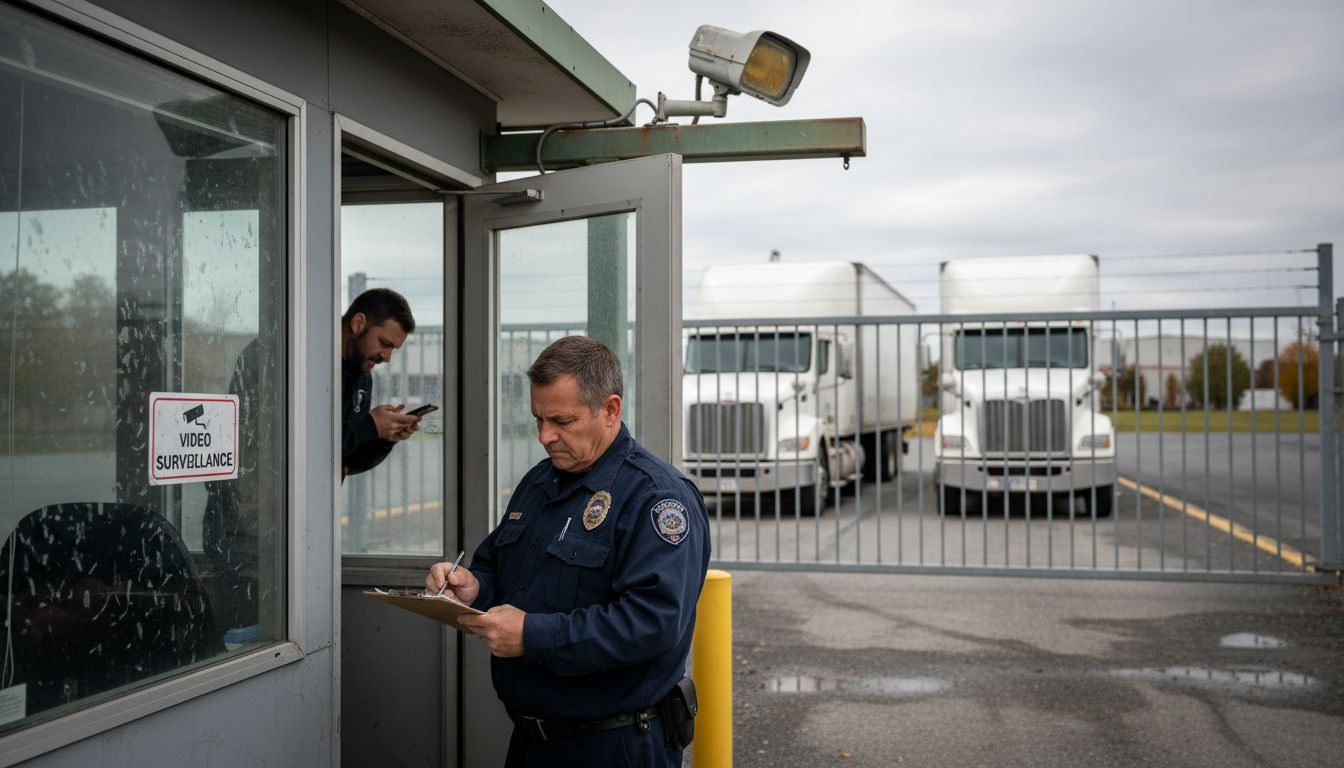
Access technologies have revolutionized how commercial vehicles interact with parking infrastructure. Advanced systems now offer dynamic information platforms that provide drivers with instantaneous parking spot availability, digital reservation capabilities, and seamless payment mechanisms. Innovative sensor technologies enable precise space management, reducing congestion and minimizing time spent searching for appropriate parking locations. The integration of mobile applications, electronic payment systems, and automated monitoring represents a significant leap forward in creating intelligent, responsive parking ecosystems that prioritize efficiency and driver convenience.
Pro tip: Invest in comprehensive security technology that combines physical infrastructure with digital monitoring to create a holistic approach to truck parking facility management.
Costs, Risks, and Common Mistakes
Truck parking infrastructure represents a significant financial investment with complex economic considerations for fleet operators. Parking management strategies demonstrate that strategic planning can reduce operational costs by 20-40% through intelligent design and demand-responsive approaches. Understanding the nuanced financial landscape requires a comprehensive evaluation of direct expenses, potential risks, and long-term operational implications.
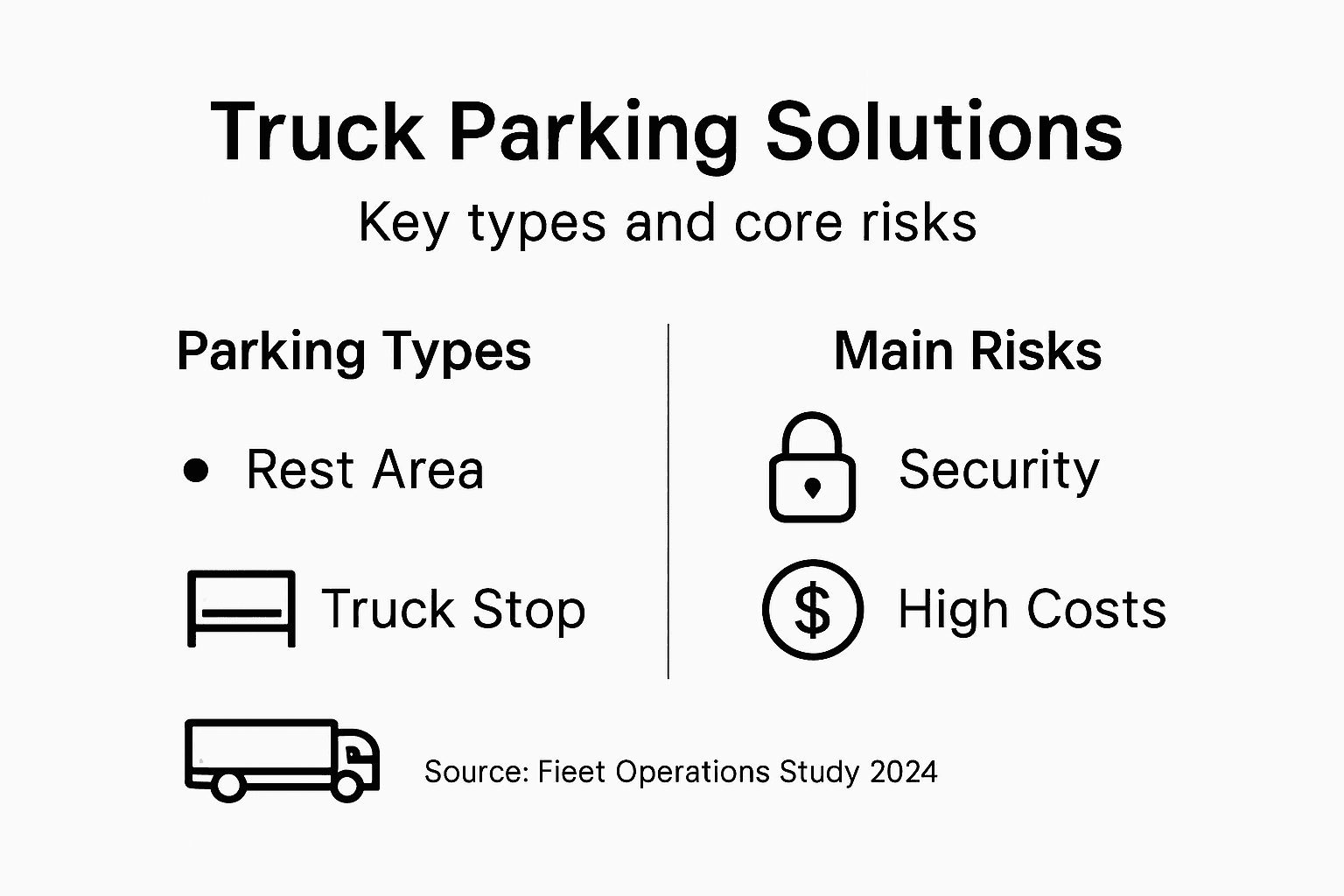
Operational risks in truck parking facilities stem from multiple interconnected factors. Federal Motor Carrier Safety Administration research highlights critical risk areas including inadequate lighting, insufficient surveillance, congestion from poor facility design, and operational inefficiencies caused by limited parking capacity. These risks can translate into substantial financial losses, decreased driver safety, and reduced overall fleet productivity.
Common mistakes in truck parking infrastructure planning often emerge from short-sighted decision making and insufficient stakeholder coordination. Fleet managers frequently underestimate parking demand, neglect technological integration for real-time information management, and fail to implement flexible, adaptable parking solutions. Such oversights can result in underutilized facilities, increased operational costs, and compromised driver experiences. Successful parking strategies require a holistic approach that balances technological innovation, regulatory compliance, and dynamic operational needs.
Below is a summary of common risks, cost factors, and key mistakes in truck parking planning:
| Factor | Example Risk or Mistake | Financial Impact |
|---|---|---|
| Inadequate Lighting | Increased theft and accidents | Losses from damages or liability |
| Poor Tech Use | Lack of real-time data | Higher downtime, missed revenue |
| Underestimating Demand | Congestion, overflow | Extra land or expansion costs |
| Insufficient Design | Inefficient maneuvering space | Higher maintenance and repairs |
Pro tip: Conduct a comprehensive cost-benefit analysis that includes both direct infrastructure expenses and potential indirect costs associated with parking inefficiencies before making significant investment decisions.
Elevate Your Fleet’s Efficiency with Expert Truck Parking Solutions
Managing truck parking challenges such as security, access, and regulatory compliance can be overwhelming for fleet operators committed to maximizing efficiency. This article highlights critical factors like real-time parking availability, optimized facility design, and up-to-date compliance that every fleet manager must address to reduce downtime and enhance driver safety. At Apple Truck & Trailer, we provide tailored solutions that align perfectly with these needs, from secure parking options to a wide selection of used trucks and trailers ready to support your operational goals.
Explore our comprehensive Safe Truck Parking solutions designed to meet the demands of modern fleets across Massachusetts and beyond. Whether you need reliable equipment, expert maintenance, or efficient parking strategies, visit Apple Truck & Trailer now to take the next step in maximizing your fleet’s productivity and compliance. Don’t wait to secure your vehicles and improve fleet performance with proven, dependable support.
Frequently Asked Questions
What are truck parking solutions?
Truck parking solutions refer to strategic approaches fleet managers use to optimize vehicle placement, security, and operational efficiency by ensuring safe and accessible parking spaces for commercial motor vehicles.
How do technology and real-time tracking improve truck parking?
Technology enhances truck parking by providing real-time availability tracking, reservation systems, and mobile applications, which help minimize downtime, reduce driver stress, and optimize route planning for fleet managers.
What are the different types of truck parking facilities?
Truck parking facilities include public rest areas, commercial truck stops, privately operated terminals, and industrial storage yards, each offering various levels of amenities and support for commercial vehicle operations.
What are some common mistakes in truck parking infrastructure planning?
Common mistakes include underestimating parking demand, neglecting technological integration, and failing to implement flexible solutions, which can lead to increased operational costs and reduced driver satisfaction.
Recommended
- The Ultimate Guide to Safe Truck Parking – Apple Truck & Trailer
- 7 Effective Driver Retention Strategies for Fleet Success – Apple Truck & Trailer
- 2025 Truck Maintenance Checklist for Businesses and Fleets – Apple Truck & Trailer
- Commercial Vehicle Storage Options for Massachusetts Fleets – Apple Truck & Trailer