
Maximizing every inch inside a 20-foot container separates profitable Massachusetts trucking operations from those constantly dealing with overflows or wasted space. Precision matters when the industry standard unit—known globally as a Twenty-foot Equivalent Unit—offers about 1,172 cubic feet of internal volume for your equipment and storage solutions. Understanding container size, construction, and true usable capacity ensures your loading strategies are based on concrete numbers, not guesswork, setting the foundation for streamlined, cost-effective logistics decisions.
Table of Contents
- 20-Foot Container Size And Capacity Explained
- Types Of 20-Foot Containers And Their Uses
- Typical Cargo And Packing Strategies
- Legal Weight Limits And Safety Regulations
- Cost Factors, Mistakes, And Best Practices
Key Takeaways
| Point | Details |
|---|---|
| Standard Container Size | A 20-foot container, or TEU, has approximately 1,172 cubic feet of internal volume and follows strict international dimensions for efficient intermodal transport. |
| Variety of Container Types | Different 20-foot container types, such as dry vans, reefers, and flat racks, cater to specific cargo needs, ensuring safe and efficient transport. |
| Effective Packing Strategies | Proper loading techniques, prioritizing weight distribution and cargo securing, are essential to maximize space and minimize damage risks during transport. |
| Compliance with Regulations | Understanding weight limits and maintaining documentation are crucial for avoiding legal issues and ensuring safe transportation practices. |
20-Foot Container Size and Capacity Explained
When you’re planning a shipment or storage solution, knowing exactly what you’re working with matters. A standard 20-foot container is the workhorse of the trucking and logistics industry in Massachusetts and beyond. These units follow strict international standards, making them reliable building blocks for your fleet operations. The 20-foot container dimensions are precisely engineered: approximately 19 feet 10.5 inches long externally, 8 feet wide, and 8 feet tall. Inside, you get about 19 feet 4 inches of usable length, 7 feet 8 inches of width, and 7 feet 4 inches of height. This gives you roughly 1,172 cubic feet of internal volume to work with. That’s the space where your cargo actually lives, and understanding this difference between external and internal dimensions prevents costly surprises when you’re loading.
These containers aren’t arbitrary metal boxes. They’re constructed from corrugated steel that withstands stacking, rough handling, and the elements. The steel design incorporates forklift pockets on all four sides, making them stackable and easy to move around your facility or onto a truck. This standardization is why the 20-foot container earned its formal name: a Twenty-foot Equivalent Unit, or TEU. The consistent dimensions mean your containers can transfer seamlessly from truck to rail to ship without modification or repositioning. For Massachusetts-based fleet managers, this intermodal compatibility reduces handling time significantly—sometimes cutting it by 50% compared to non-standardized containers. You’re looking at faster loading, fewer transfers, and reduced risk of damage when items change transportation methods.
The real benefit here is predictability. When you know a 20-foot container holds exactly 1,172 cubic feet, you can calculate precisely how many units you need for a project. You understand weight distribution, stacking capabilities, and how much you can fit without exceeding limits. Your team doesn’t guess. They plan. For Massachusetts trucking operations managing everything from equipment relocations to seasonal storage overflow, this certainty translates directly to operational efficiency. You load smarter, route better, and avoid the delays that come from miscalculated capacity.
Pro tip: Before loading any 20-foot container, measure your largest item diagonally from corner to corner using the internal dimensions—many fleet managers discover awkward shapes require more space than they initially calculated, so account for this reality when planning your load configuration.
Types of 20-Foot Containers and Their Uses
Not every load is the same, and not every container should be either. The 20-foot container comes in several distinct varieties, each designed for specific cargo types and handling requirements. Understanding which container type matches your freight prevents damage, improves efficiency, and keeps your Massachusetts trucking operation running smoothly. The most common option is the dry van or general purpose container, which handles about 90 percent of typical freight shipments. These are your standard steel boxes with solid walls and a sealed roof, protecting goods from weather, theft, and handling damage. They work for everything from packaged goods to machinery parts to household items during residential moves.
Beyond dry vans, you have specialized containers for distinct needs. Refrigerated containers (reefers) maintain precise temperatures for perishable goods, pharmaceuticals, and temperature-sensitive products. If you’re moving frozen foods or produce from Massachusetts ports, these units are non-negotiable. Open-top containers remove the roof constraint entirely, letting you load tall equipment, oversized machinery, or items requiring crane access from above. For heavy industrial equipment or large fabricated goods, flat rack containers provide an open platform with collapsible sides. These work when your load is too large or oddly shaped for traditional walls. Tank containers handle liquid and gas cargo, though they’re less common in typical trucking operations unless you’re working with chemical, fuel, or beverage clients. The ISO container type codes provide a standardized classification system so any handler across any transportation mode understands exactly what they’re dealing with.
High-cube containers deserve special mention for Massachusetts operations. These containers stretch to 9 feet 6 inches tall inside, compared to the standard 7 feet 4 inches, giving you roughly 12 percent additional volume without changing length or width. For operations storing or transporting lighter goods, that extra height makes a real difference in your cost per cubic foot. When choosing between container types, think about your cargo first. Does it need climate control? Is it oversized? Does it require direct crane loading? Your container selection directly impacts loading time, damage risk, and ultimately your bottom line.
Here’s a quick comparison of 20-foot container types and when each is most effective:
| Container Type | Best Cargo/Freight Use | Key Advantage | Limitation |
|---|---|---|---|
| Dry Van (General Purpose) | Packaged goods, appliances | Weatherproof and secure | Height limits for tall items |
| Refrigerated (Reefer) | Perishables, pharmaceuticals | Precise temperature control | Higher cost, refrigeration required |
| Open Top | Oversized equipment, machinery | Easy top loading | Exposed to weather |
| Flat Rack | Heavy/odd shapes, vehicles | Side and end loading | Minimal protection, no roof |
| Tank | Liquids or gases | Safe for fluids or chemicals | Only for specific cargos |
| High Cube | Bulky/light goods | Extra height and volume | May exceed height limits |
Pro tip: Match your container type to your cargo’s worst-case scenario, not its average condition—a refrigerated container cost difference becomes negligible if a temperature fluctuation ruins an entire load of perishables worth thousands.
Typical Cargo and Packing Strategies
Your 20-foot container is only as efficient as how you load it. Massachusetts fleet managers handle an enormous range of cargo types, from manufacturing equipment to household goods during residential moves to seasonal inventory overflow. Each type requires different packing strategies to maximize space, protect goods, and comply with safety standards. The most common cargo includes packaged merchandise, machinery parts, furniture, appliances, and equipment. Light, bulky items like furniture or cushioned goods stack well but consume volume quickly. Heavy items like machinery or metal parts pack tight and stack securely but demand careful weight distribution to prevent container imbalance during transport.
Effective packing starts with understanding weight limits and cargo behavior. A fully loaded 20-foot container can weigh up to 48,000 pounds total (including the container itself), so you cannot simply maximize cubic footage and call it done. The CTU Code guidelines for cargo securing provide globally recognized standards for safe packing that prevent shifting, damage, and accidents during transport. The core principle is simple: heavier items go on the bottom near the doors, lighter items stack on top, and everything must be secured to prevent movement during acceleration, braking, or turns. Dunnage (blocking and bracing materials) fills gaps and prevents cargo from sliding. This isn’t optional. Shifting cargo during transport can damage goods, injure workers, or create liability issues that eat into your margins.
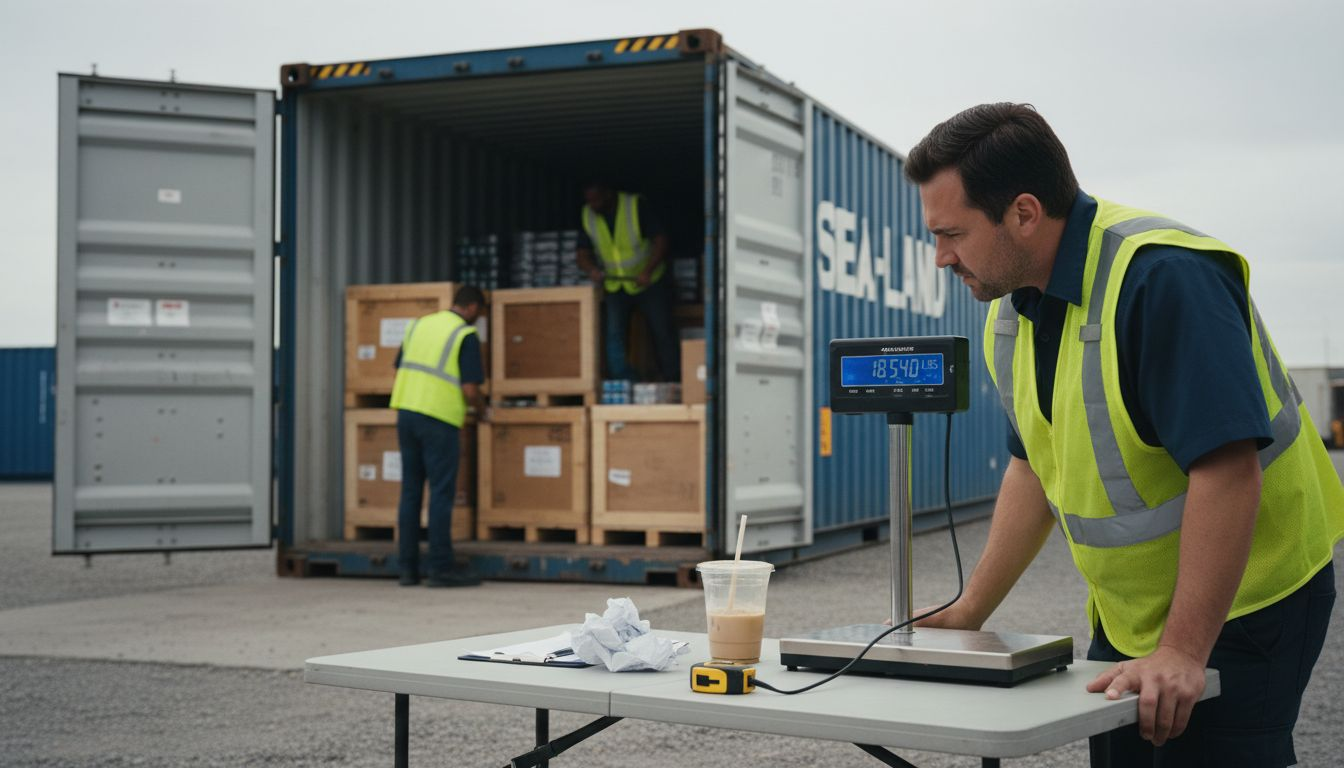
Common packing mistakes waste significant space. Inexperienced loaders place items randomly, leaving voids that compress later during handling. Smart fleet managers use a bottom-to-top loading strategy: establish a solid base, load systematically row by row, and use vertical space intentionally. For example, palletized goods load quickly and stack predictably, but odd-shaped items require custom solutions. Small boxes fit into gaps between larger items. Lightweight goods can suspend from tie-down rails. Know your cargo weight per cubic foot before loading. Dense items like machinery maximize the container’s weight capacity while minimizing volume. Lightweight items maximize volume but underutilize weight capacity, resulting in expensive empty space.
Temperature and contamination matter for specific loads. Perishables need ventilation and temperature control. Electronics and sensitive equipment need protection from moisture. Some items attract pests or require sealed containers. Understanding your cargo category prevents damage claims that cost far more than the container rental itself.
Pro tip: Load your densest, heaviest items first and closest to the container doors, then fill vertical space above them with progressively lighter cargo—this arrangement maximizes both weight capacity and cubic footage while maintaining stability during transport.
Legal Weight Limits and Safety Regulations
Overloading a container is not just inefficient. It is illegal, dangerous, and expensive. Massachusetts trucking operations operate under strict federal and state weight limits that exist for a reason: to protect drivers, protect roads, and protect your liability exposure. Understanding these limits is non-negotiable if you want to stay compliant and keep your fleet operational. A standard 20-foot container can carry cargo, but the total weight of container plus cargo cannot exceed legal limits set by both federal trucking regulations and state transportation departments. Federal regulations align most states around an 80,000-pound gross vehicle weight rating (GVWR) for trucks with tandem axles. Your container itself weighs around 4,700 to 5,000 pounds empty, which leaves approximately 43,000 to 45,000 pounds of actual cargo capacity. That number is lower than many fleet managers assume, and overestimating it creates compliance violations.
Before any container is loaded, you need accurate weight information. OSHA container weight marking requirements mandate that every container must display its empty weight, maximum cargo weight capacity, and combined total weight in pounds. This information must be clearly marked and visible. Before hoisting or transporting any loaded container, you must verify the actual gross weight against these marked limits. No guessing. No assumptions. Documentation proving compliance is your protection if an inspection occurs. Overweight penalties in Massachusetts start at $500 for first violations and escalate quickly. More importantly, overweight vehicles fail DOT inspections, risk mandatory downtime, and create liability if an accident occurs.
State regulations add another layer. Individual states like Massachusetts have specific axle weight limits that prevent infrastructure damage. Tandem axles typically cannot exceed 44,000 pounds regardless of total vehicle weight. This means your load distribution matters as much as total weight. A container that is 80,000 pounds total but with 50,000 pounds concentrated over the rear axles violates regulations and damages roads. Smart fleet managers understand that legal compliance requires both total weight management and proper load balancing.
Documentation is your evidence of compliance. Weigh tickets, container manifests, and cargo lists create a paper trail protecting you if regulators ask questions. Many Massachusetts carriers now use certified scales before departure to confirm compliance. This costs time upfront but eliminates fines, prevents downtime, and protects your operation’s reputation.
Pro tip: Establish a pre-load weight checklist for your team: verify the empty container weight, calculate maximum safe cargo based on that number, use calibrated scales to confirm actual cargo weight before sealing, and maintain documentation for every container shipped.
Cost Factors, Mistakes, and Best Practices
Every dollar matters in Massachusetts trucking. Container costs extend far beyond the rental price. Understanding what drives your total cost of ownership and avoiding common mistakes separates profitable operations from those bleeding money on preventable errors. Your actual expenses include the container rental, transportation fees, labor for loading and unloading, documentation and compliance verification, potential damage claims, and regulatory fines if something goes wrong. Then there are hidden costs that many fleet managers overlook: inefficient cargo positioning increases handling time, poor packing requires damage repairs, inaccurate weight documentation triggers inspections and delays, and underutilized container space means you are paying for capacity you never used. A single overweight fine costs $500 minimum. A damaged shipment costs thousands. Unused container volume translates directly to reduced profitability per load.
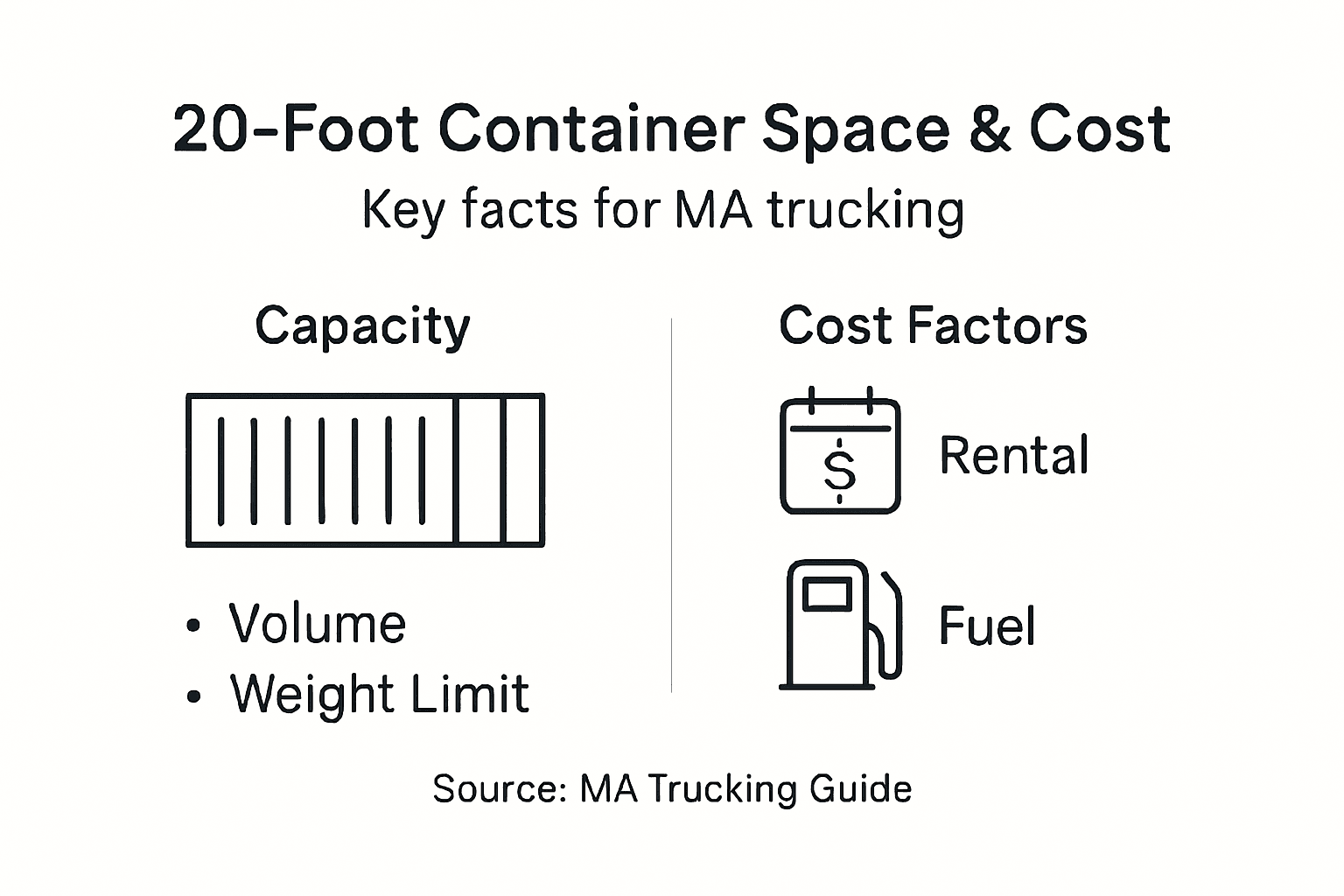
Common mistakes drain profitability faster than obvious problems. The most expensive mistake is underestimating container space requirements, forcing you to rent additional containers for overflow cargo. This doubles your transportation costs and scheduling complexity. Second is poor load planning that leaves 15 to 20 percent of available volume unused because items were not arranged strategically. Third is failing to verify cargo weight before departure, resulting in DOT fines or forced unloading at ports. Fourth is inadequate securing and dunnage that causes cargo shifting during transport, leading to damage claims that exceed the container rental cost by multiples. Fifth is not maintaining documentation, which complicates future audits and prevents you from proving regulatory compliance. The cost impacts of shipping disruptions extend beyond direct fees, affecting your entire supply chain timeline and customer relationships. When delays occur, your customers suffer, and your reputation takes damage that costs far more than any single container rental.
Use this summary to understand major cost factors and common mistakes in 20-foot container shipping:
| Cost Factor | Description | Common Pitfall | Business Impact |
|---|---|---|---|
| Rental & Transport | Base rental plus transit fees | Overpaying for unused space | Higher operational expenses |
| Labor | Loading and unloading costs | Inefficient load sequences | Longer turnaround times |
| Compliance | Weighing, documentation, and checks | Missing weight verification | Fines, shipment delays |
| Damage & Insurance | Inadequate securing, repairs, claims | Rushed packing or dunnage errors | Increased claims, lost profit |
| Underutilized Space | Poor item arrangement | Leaving empty volume unused | Lower profit per container |
Best practices start with planning before loading. Calculate your total cargo weight and volume before you touch a container. Determine the optimal container type for your specific cargo. Create a loading diagram showing item placement so your team executes consistently. Verify weights using certified scales. Document everything: container number, cargo list, weights, sealing time, and departure time. Train your team on proper securing techniques and dunnage placement. Invest in digital tracking tools if you handle regular shipments. These practices cost time upfront but eliminate far more expensive problems downstream. Massachusetts operations that implement systematic processes consistently outperform those using ad hoc approaches. Your team should treat every container with the same precision you would demand if you were physically riding in the truck.
Pro tip: Create a standardized loading checklist your team completes before sealing every container—include cargo list verification, weight confirmation, securing inspection, and documentation sign-off, then store photos of the completed load for future reference and dispute resolution.
Maximize Your 20-Foot Container Potential with Expert Storage Solutions
Managing space efficiently inside a 20-foot container is crucial for Massachusetts trucking and storage operations. The challenge of fitting cargo securely while respecting legal weight limits requires careful planning and reliable equipment. Whether you are managing heavy machinery, perishables, or oversized items, choosing the right container type and loading strategy can protect your investment and increase operational efficiency. Understanding the importance of container volume, weight distribution, and cargo securing aligns perfectly with professional storage solutions designed to simplify your workflow.
Discover how Storage Containers tailored for diverse cargo needs can transform your loading experience. From dependable dry vans to specialized containers, Apple Truck & Trailer offers quality options for leasing, rental, and purchase. Explore our Shipping Container Storage Rental services to address overflow or seasonal storage demands without long-term commitment. Take control of your freight handling and eliminate costly mistakes with solutions that support your cargo’s unique requirements. Visit Apple Truck & Trailer today and equip your fleet with the efficiency and reliability you need to succeed in Massachusetts logistics.
Frequently Asked Questions
What is the internal capacity of a 20-foot container?
A standard 20-foot container provides approximately 1,172 cubic feet of internal volume, with internal dimensions of about 19 feet 4 inches in length, 7 feet 8 inches in width, and 7 feet 4 inches in height.
What types of cargo are best suited for a 20-foot container?
A 20-foot container is most effective for shipping packaged goods, machinery parts, furniture, appliances, and equipment. Its design also accommodates a variety of specialized containers such as refrigerated, open-top, flat rack, and tank containers for specific needs.
How can I maximize the space in a 20-foot container when loading?
To maximize space in a 20-foot container, load heavier items first and closest to the doors, then stack progressively lighter items on top. Utilize dunnage materials to fill gaps and ensure the cargo is secured to prevent movement during transport.
What are common mistakes to avoid when using a 20-foot container for shipping?
Common mistakes include underestimating space requirements, poor load planning that leaves unused volume, failing to verify cargo weight before departure, and inadequate securing of cargo. Each of these can lead to increased costs and operational inefficiencies.