
TL;DR:
- Custom shipping containers are steel units built from Corten steel, modified with features like insulation and HVAC to meet specific storage or transport needs. Proper planning and early modification specifications during fabrication can save costs and ensure better results, while site preparation prevents delivery delays. Buyers should verify dealer credentials, assess site conditions, and define their modification needs before purchase for optimal value.
Custom shipping containers for sale are steel units built from Corten steel and modified with features like electrical packages, insulation, roll-up doors, and HVAC systems to meet specific storage or transport needs. The industry term for these units is “modified intermodal containers,” though buyers and dealers commonly use “custom shipping containers” to describe the same product. Whether you need a weatherproof job site office, a secure storage unit for a home cleanout, or a branded commercial depot, the right container starts with understanding size, condition grade, and which modifications actually matter for your use case.
1. What are the popular sizes and condition grades of custom shipping containers for sale?
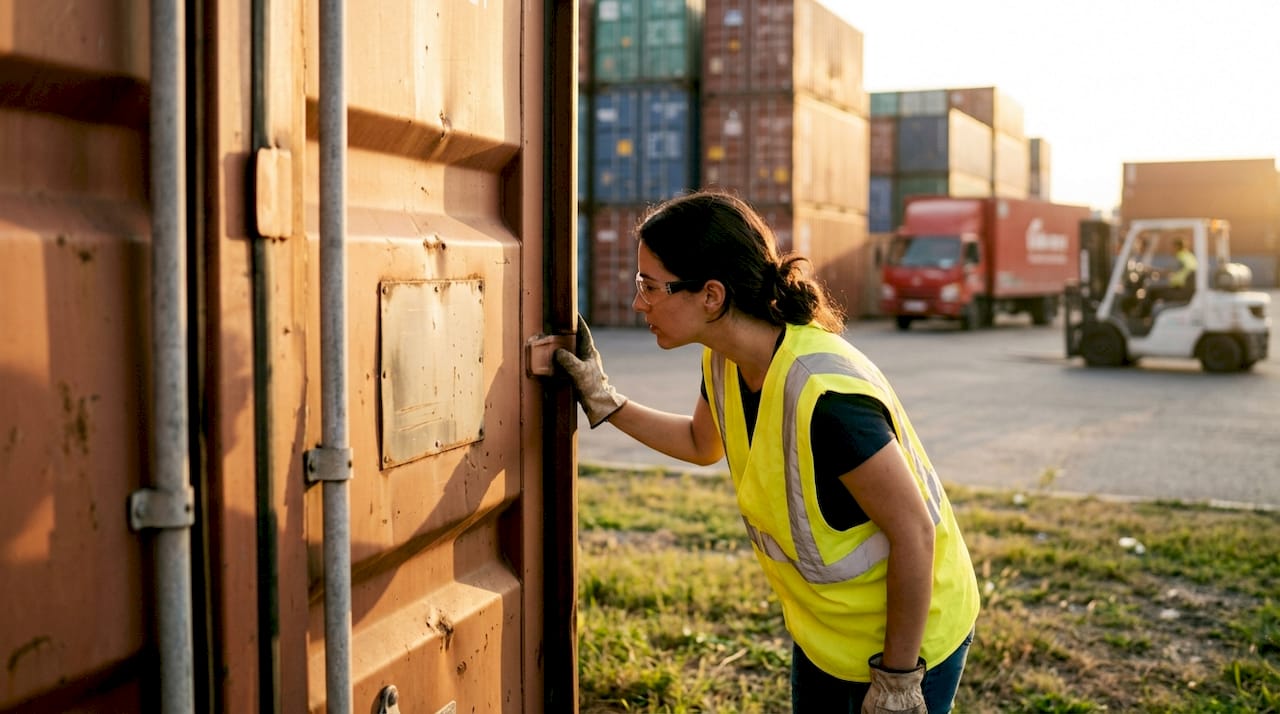
Container size is the first decision you make, and it shapes every other choice. The three standard lengths are 10 ft, 20 ft, and 40 ft. High cube variants add an extra foot of interior height, bringing the ceiling to roughly 9.5 ft. That extra headroom matters for shelving systems, HVAC equipment, or any use where workers stand inside the unit.
Condition grades tell you what you are actually buying. Container condition grades fall into four main categories:
- New (One-Trip): Manufactured overseas and shipped to the U.S. once. Cosmetically near-perfect with tight seals. The highest price point.
- Cargo Worthy: Certified for active international shipping. Structurally sound with minor cosmetic wear. A solid mid-range choice.
- Wind and Watertight (WWT): Suitable for static storage but not active transport. May show dents, surface rust, or faded paint. The most affordable base option.
- As-Is: Sold without condition guarantees. Best for buyers who plan heavy exterior modifications or need raw steel for fabrication projects.
Understanding these grades sets realistic expectations on price and appearance. A WWT unit costs less than a One-Trip unit, but it still keeps your contents dry and secure for years with proper seal maintenance.
| Size | Typical Interior Volume | Best Use |
|---|---|---|
| 10 ft | ~1,000 cu ft | Residential storage, small job sites |
| 20 ft | ~1,170 cu ft | General storage, office conversions |
| 40 ft | ~2,390 cu ft | Large inventory, commercial depots |
| 40 ft High Cube | ~2,660 cu ft | Workshop builds, HVAC-equipped units |
2. Which customization features add the most value?
The most valuable modifications are the ones you cannot easily add after delivery. Common modifications include HVAC systems, LED lighting packages, electrical circuits, insulation, personnel doors, roll-up doors, and windows. Each of these requires cutting into the steel shell, which is far cleaner and more cost-effective when done in a fabrication shop than on your property.
Insulation is the modification buyers most often underestimate. Spray foam insulation bonded to the interior walls controls condensation and temperature, which is critical for electronics storage, food-grade inventory, or any workspace where people spend hours at a time. Without insulation, a steel box in a New England summer becomes an oven.
Roll-up doors are the second most requested upgrade. Standard container doors swing outward on hinges and require clearance space. A roll-up door on the side or end of a unit lets you park a forklift or pallet jack directly at the opening without fighting swing clearance.
Pro Tip: If you plan to add shelving, specify the shelf load ratings during the fabrication phase. Welded steel shelving integrated into the container frame carries far more weight than bolt-on units added after delivery.
Branding wraps are a feature commercial buyers often overlook. Exterior wraps turn a standard gray box into a high-visibility marketing asset. A construction company with a branded container on a job site gets daily impressions from passing traffic at zero recurring cost.
3. Why building in modifications during fabrication saves money
Integrating modifications during fabrication is more cost-effective than retrofitting on site. The reason is simple: shop labor rates are lower than field labor rates, and shop conditions allow for cleaner welds, better insulation sealing, and proper electrical rough-in. A modification that takes four hours in a shop can take eight hours on a gravel lot in the rain.
The cost gap widens with complex builds. Adding HVAC to a container in a fabrication shop means the technician has full access to all four walls, the ceiling, and the floor. Adding the same system after delivery means working around your stored inventory in a confined space. The quality of the result is also lower because field conditions rarely match shop conditions.
Treating each container as a tailored build rather than a generic unit prevents the most expensive mistake buyers make: ordering a base unit and then discovering it does not fit the actual use case. A thorough needs assessment before fabrication begins is the single best investment you can make in the process.
4. How the purchase and delivery process works
The process from inquiry to delivered container follows a clear sequence. Getting this sequence right prevents delays and extra costs.
- Consultation. Define your intended use, preferred size, condition grade, and required modifications. The more specific you are at this stage, the more accurate your quote will be.
- Modification specification. Finalize the list of upgrades. Confirm electrical requirements, door placement, insulation type, and any branding elements.
- Site assessment. Measure your delivery site before the container leaves the yard. Delivery trucks need clear overhead clearance (typically 14 ft minimum), firm ground, and enough turning radius to position the container accurately.
- Fabrication and lead time. A base unit with no modifications can deliver in a few business days. A fully built-out unit with HVAC, electrical, and custom doors can take up to two weeks depending on shop workload.
- Delivery and placement. Delivery timelines depend on modification complexity and site readiness. Specialized mule devices allow precise placement in tight spaces where a standard tilt-bed truck cannot maneuver.
Pro Tip: Tell your dealer about any overhead wires, tree branches, or soft ground at your delivery site before scheduling. Rescheduling a delivery because of an access problem costs time and often money.
Proper site preparation prevents the most common delivery problems. Soft ground can cause a loaded container to sink or tilt after placement. A gravel pad or concrete surface is the standard foundation for long-term installations.
For buyers coordinating container delivery alongside other logistics needs, Apple Truck & Trailer’s guide on storage container delivery covers site prep specifics for Massachusetts properties.
5. What does a custom shipping container actually cost?
Base price depends on size and condition grade. A WWT 20 ft unit sits at the lower end of the price range. A One-Trip 40 ft high cube sits at the top. Modifications add cost on top of the base price, and the complexity of those modifications determines how much.
Key cost factors to budget for:
- Base container price: Determined by size and condition grade.
- Modification costs: Electrical packages, insulation, HVAC, and custom doors each add to the total. Bundling these into the fabrication phase keeps unit costs lower than field retrofits.
- Delivery fees: Distance, site difficulty, and specialized placement equipment all affect delivery pricing. Rural or restricted sites cost more to service.
- Site preparation: Gravel pads, concrete pours, or ground leveling are buyer responsibilities in most transactions.
- Permit fees: Some municipalities require permits for permanent container installations. Check local zoning rules before ordering.
Budgeting for modifications must account for the difference between shop fabrication costs and field retrofit costs. A buyer who orders a base unit and then decides to add insulation on site will pay more for a lower-quality result. The most cost-effective approach is to finalize your full modification list before placing the order.
For buyers who also need transport equipment alongside their storage solution, Apple Truck & Trailer’s resource on buying a used commercial truck is a practical companion guide.
6. How to evaluate a dealer before you buy
The dealer you choose affects build quality, delivery reliability, and post-sale support. Not all dealers fabricate in-house. Some brokers resell containers without ever touching the steel, which means quality control happens at a third-party shop you never see.
Ask these questions before committing:
- Does the dealer fabricate modifications in-house or subcontract them?
- Can you visit the yard and inspect the base unit before modifications begin?
- What is the warranty on modifications, and who handles warranty claims?
- Does the dealer carry liability insurance for delivery and placement?
Apple Truck & Trailer has served Massachusetts, Rhode Island, Connecticut, and New Hampshire since 1986. That track record matters when you are placing a container on a commercial property and need a dealer who will still be reachable after the sale. Their shipping container storage solutions page outlines the full range of available units and services.
For buyers coordinating container storage with a broader move or cleanout, professional packing strategies from a moving specialist can help you maximize the interior space of your unit from day one.
Key takeaways
Custom shipping containers deliver the most value when buyers define their full modification list before fabrication begins, choose the right condition grade for their use case, and prepare their delivery site in advance.
| Point | Details |
|---|---|
| Choose the right condition grade | One-Trip suits quality-sensitive builds; Wind and Watertight suits budget storage. |
| Lock in modifications early | Shop fabrication costs less and produces better results than field retrofits. |
| Prepare your site before delivery | Firm ground and clear access prevent costly rescheduling and placement problems. |
| Budget beyond the base price | Delivery fees, site prep, and permits add real cost to every container purchase. |
| Inspect seals and gaskets regularly | Seal maintenance is the single most important factor in long-term container performance. |
Our take on what buyers consistently get wrong
The most expensive mistake I see buyers make is ordering a base container and then figuring out the modifications later. They think they are saving time by getting the unit on site quickly. What they are actually doing is paying field labor rates for work that should have been done in a shop, and getting a worse result for more money.
The second mistake is skipping the site assessment. I have watched deliveries get turned around because a buyer forgot about a low-hanging utility wire or did not realize their driveway could not support a loaded flatbed. That is a wasted trip charge and a delayed project, both of which are completely avoidable.
Maintaining seals and gaskets is the one maintenance task that separates a container that lasts 20 years from one that starts leaking in year three. It takes 20 minutes twice a year. Most buyers never do it until they find water damage inside.
My honest advice: spend an extra hour on the front end defining exactly what you need. Walk your site with a tape measure. Write down every modification you might want, not just the ones you are sure about. A good dealer will tell you which ones make sense to bundle and which ones you can skip. That conversation is free. The retrofit is not.
Apple Truck and Trailer: your container source in New England
Apple Truck & Trailer has been placing containers and commercial equipment across Massachusetts, Rhode Island, Connecticut, and New Hampshire since 1986. The team handles everything from initial consultation through delivery and placement, with transparent pricing and no-surprise delivery logistics.
Whether you need a single WWT unit for a residential cleanout or a fully built-out 40 ft high cube for a commercial operation, Apple Truck & Trailer matches you with the right container and the right modifications from the start. Their secure storage containers page covers available units, and the team is ready to provide a personalized quote based on your site, timeline, and budget. Contact Apple Truck & Trailer directly to get started.
FAQ
What sizes do custom shipping containers come in?
Custom shipping containers are available in 10 ft, 20 ft, and 40 ft lengths, with high cube variants adding roughly one extra foot of interior height. Size selection depends on storage volume, site space, and intended use.
What does “Wind and Watertight” mean for a container?
Wind and Watertight (WWT) means the container is structurally sound and weatherproof for static storage but is not certified for active international shipping. WWT units may show cosmetic wear and are the most affordable base option for storage applications.
Is it cheaper to add modifications before or after delivery?
Modifications integrated during fabrication cost less and produce better results than field retrofits. Shop labor rates are lower, and controlled conditions allow for cleaner welds and tighter insulation seals.
How long does delivery take for a custom container?
Delivery timelines range from a few business days for a base unit to up to two weeks for a fully modified container. Site readiness and modification complexity are the two main factors that affect lead time.
What site preparation does a container delivery require?
Delivery trucks need at least 14 ft of overhead clearance, firm and level ground, and adequate turning radius. Pre-delivery site assessments prevent the most common access problems and avoid costly rescheduling fees.