
Most business owners assume storage container delivery is as simple as ordering a unit and watching it arrive. In reality, the process involves precise site preparation, legal permits that vary by municipality, and logistical coordination that can make or break your timeline. For fleet managers and business operators across Massachusetts, Rhode Island, Connecticut, and New Hampshire, understanding every stage from ground assessment to post-delivery inspection means avoiding costly delays and compliance issues. This guide breaks down the complete delivery process, regulatory requirements specific to New England states, cost factors tied to distance and container size, and proven strategies to optimize your commercial storage operations in 2026.
Table of Contents
- Understanding The Storage Container Delivery Process
- Site Preparation And Legal Permits For Massachusetts And Nearby States
- Cost Considerations And Logistics Best Practices For Efficient Delivery
- Applying The Storage Container Delivery Process For Your Business Success
- Get Expert Support For Your Storage Container Delivery And Fleet Needs
Key takeaways
| Point | Details |
|---|---|
| Site prep is non-negotiable | Delivery requires 80-125 ft clearance, firm level ground, and zero overhead obstacles to prevent damage and delays |
| Permits vary by locality | Massachusetts and neighboring states mandate zoning permits for temporary placement and oversize transport permits for wide loads |
| Delivery method affects speed | Tilt-bed trailers slide containers off in under 30 minutes, while flatbed deliveries need cranes and take longer |
| Costs scale with distance | Transport runs $2.80-$3.10 per mile, making local deliveries far more economical than cross-state hauls |
| Standardization cuts expenses | Using 20-40ft containers consistently improves pricing leverage and simplifies fleet logistics |
Understanding the storage container delivery process
Storage container delivery follows a structured sequence that begins well before the truck arrives. Site assessment kicks off the process, where delivery teams evaluate ground firmness, clearance dimensions, and overhead hazards. You need a straight access path measuring at least 85 feet for a 20-foot container, with wider clearances for larger units. Ground conditions matter enormously because soft soil or uneven terrain causes containers to shift or sink, creating safety risks and access problems.
Delivery methods split into two main categories. Tilt-bed trailers dominate commercial deliveries because they slide containers off the truck bed using hydraulic systems, completing unloading in under 30 minutes without additional equipment. Flatbed trailers require cranes to lift containers into position, adding time and coordination complexity. For businesses managing tight schedules, tilt-bed delivery offers a clear advantage in minimizing site disruption and labor costs.
Unloading follows a predictable sequence once the truck positions itself. The driver confirms the marked drop-off spot, extends stabilizers, and activates the hydraulic tilt mechanism. The container slides backward onto the prepared surface as the bed angles. Post-delivery inspection verifies proper placement, checks for transport damage, and confirms door functionality. Specialists handling Massachusetts trucks and trailers coordinate these steps to maintain delivery windows and avoid rework.
Common challenges include underestimating clearance needs, overlooking utility lines, and failing to prepare ground surfaces. Wet conditions turn dirt pads into mud traps, while gravel without proper compaction shifts under container weight. Experienced delivery teams conduct pre-arrival site reviews to flag these issues early, giving you time to address problems before the scheduled delivery date.
Pro Tip: Walk your intended container site with a measuring tape and camera before booking delivery. Document overhead clearances, ground conditions, and access routes, then share photos with your delivery coordinator to catch potential obstacles early.
Understanding the mechanics of container versus trailer storage helps you choose the right unit type for your operational needs. Containers offer weather-tight security for sensitive inventory, while trailers provide easier access for frequent loading cycles. Both require similar site preparation, but containers demand more attention to ground stability due to concentrated corner weight. The commercial truck logistics blog covers additional nuances around equipment selection and site planning that affect delivery success rates.
Site preparation and legal permits for Massachusetts and nearby states
Ground preparation determines whether your container sits level or becomes a maintenance headache. Concrete pads provide the gold standard for stability, distributing weight evenly and preventing settling. Gravel bases work well if you compact the material to at least four inches depth and extend the pad six inches beyond container edges. Asphalt surfaces handle container weight but can develop impressions during hot weather. Grass or dirt sites need reinforcement with timber mats or concrete blocks positioned under each corner.
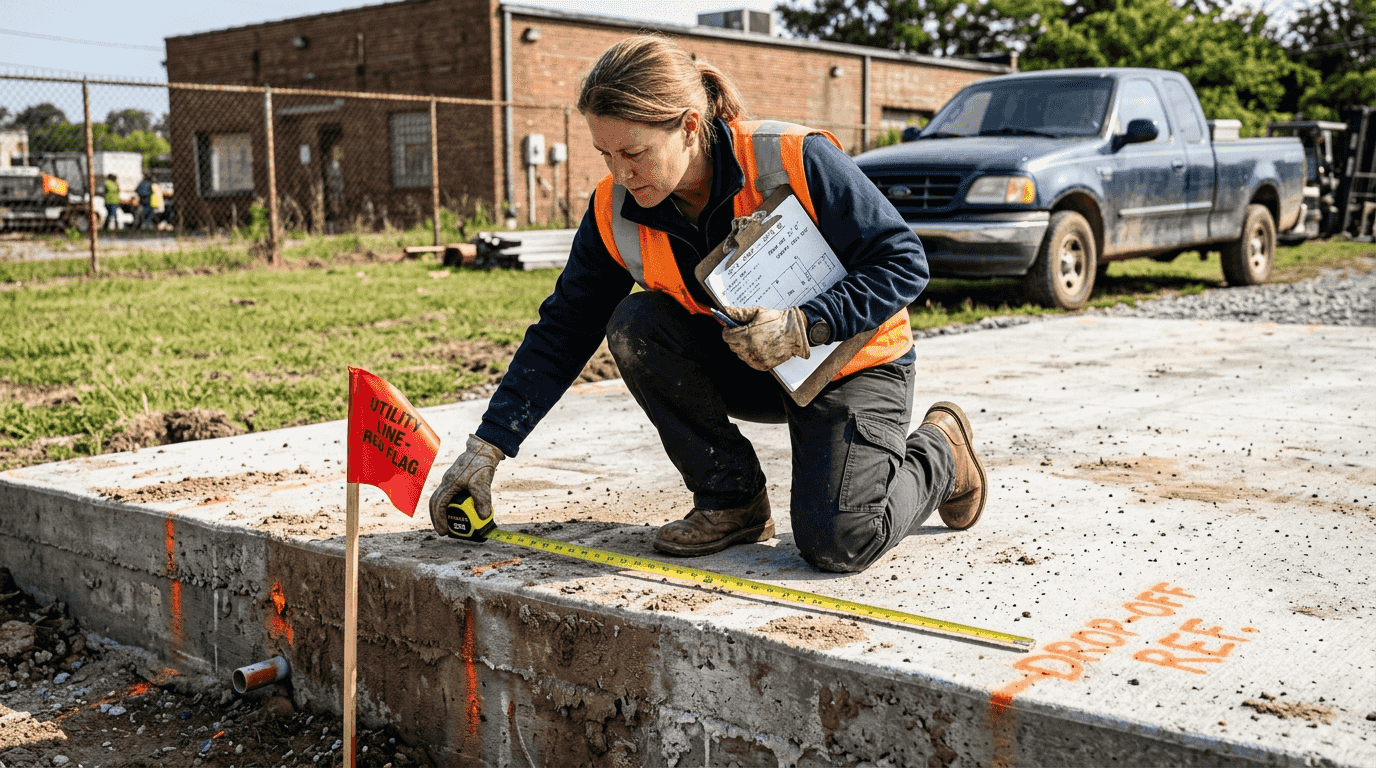
Clearance requirements scale with container length. A 20-foot unit needs approximately 85 feet of straight access, while 40-foot containers require 125 feet to accommodate truck maneuvering and tilt-bed operation. Width clearances should allow at least 12 feet to prevent mirrors or stabilizers from striking obstacles. Overhead clearance needs 14 feet minimum to account for truck height and any bounce during transit.
Permit requirements create a regulatory maze across New England states. Massachusetts municipalities require zoning permits for temporary placement, with fees ranging from $50 to $300 depending on container size and placement duration. Oversize transport permits become mandatory when container width exceeds 12 feet or length surpasses legal limits, adding $75 to $150 in permit costs per delivery. Connecticut, Rhode Island, New Hampshire, and Vermont enforce similar frameworks but vary in fee structures and processing timelines.
The financial impact of permit delays compounds quickly. A two-week permit processing lag can push your container arrival into a new billing cycle, adding unexpected rental charges. Some municipalities require public hearings for containers placed near residential zones, extending approval timelines to 30 days or more. Working with delivery specialists who handle permit acquisition removes this burden and ensures compliance with local codes.
Best practices for permit management include starting applications 3-4 weeks before your target delivery date, maintaining copies of all approvals on-site during placement, and confirming renewal requirements for extended rentals. Mark your drop-off spot with spray paint or stakes to eliminate placement disputes and speed up driver positioning. Understanding storage container rental regulations specific to Massachusetts helps you navigate municipal variations and avoid citation risks.
Container size directly affects permit complexity. 20-foot container rental details show these units often qualify for simplified permitting because they fit within standard parking space dimensions. 40-foot container rental information reveals larger units trigger additional scrutiny around setback requirements and neighborhood impact assessments. Choosing container sizes that align with local permit thresholds can save substantial administrative effort.
Pro Tip: Request a permit specialist from your rental provider to handle all regulatory paperwork. The $100-$200 service fee typically pays for itself by avoiding permit rejections and resubmission delays that cost far more in extended rental charges.
Cost considerations and logistics best practices for efficient delivery
Transportation costs follow a predictable mileage-based structure. Transport rates range $2.80-$3.10 per mile, meaning a 50-mile delivery from Boston to Worcester costs $140-$155 each way. Round-trip delivery and pickup for a month-long rental adds $280-$310 to your total expense. These rates assume standard road conditions and accessible delivery sites. Difficult access requiring smaller trucks or multiple positioning attempts can double transport fees.
Rental pricing varies significantly by container size and duration. A 16-foot container in the Boston market runs $2,800-$4,200 for a month including delivery, while 20-foot units cost $3,200-$4,800 and 40-foot containers reach $4,500-$6,500. Longer rental periods reduce monthly rates by 15-25%, making six-month commitments more economical than month-to-month arrangements for ongoing storage needs.
| Container Size | Monthly Rental | Delivery Cost | Total First Month |
| — | — | — |
| 16 ft | $2,400-$3,600 | $400-$600 | $2,800-$4,200 |
| 20 ft | $2,800-$4,200 | $400-$600 | $3,200-$4,800 |
| 40 ft | $4,000-$5,800 | $500-$700 | $4,500-$6,500 |
Logistics best practices dramatically improve delivery efficiency. Pre-delivery site walk-throughs with your provider catch access issues before trucks roll. Assigning a dedicated contact person for delivery day ensures quick decision-making if placement adjustments become necessary. Even load distribution inside containers prevents tipping during unloading, particularly important for tilt-bed deliveries where weight shifts affect slide mechanics. Real-time tracking systems let you monitor truck arrival and adjust site staffing accordingly.
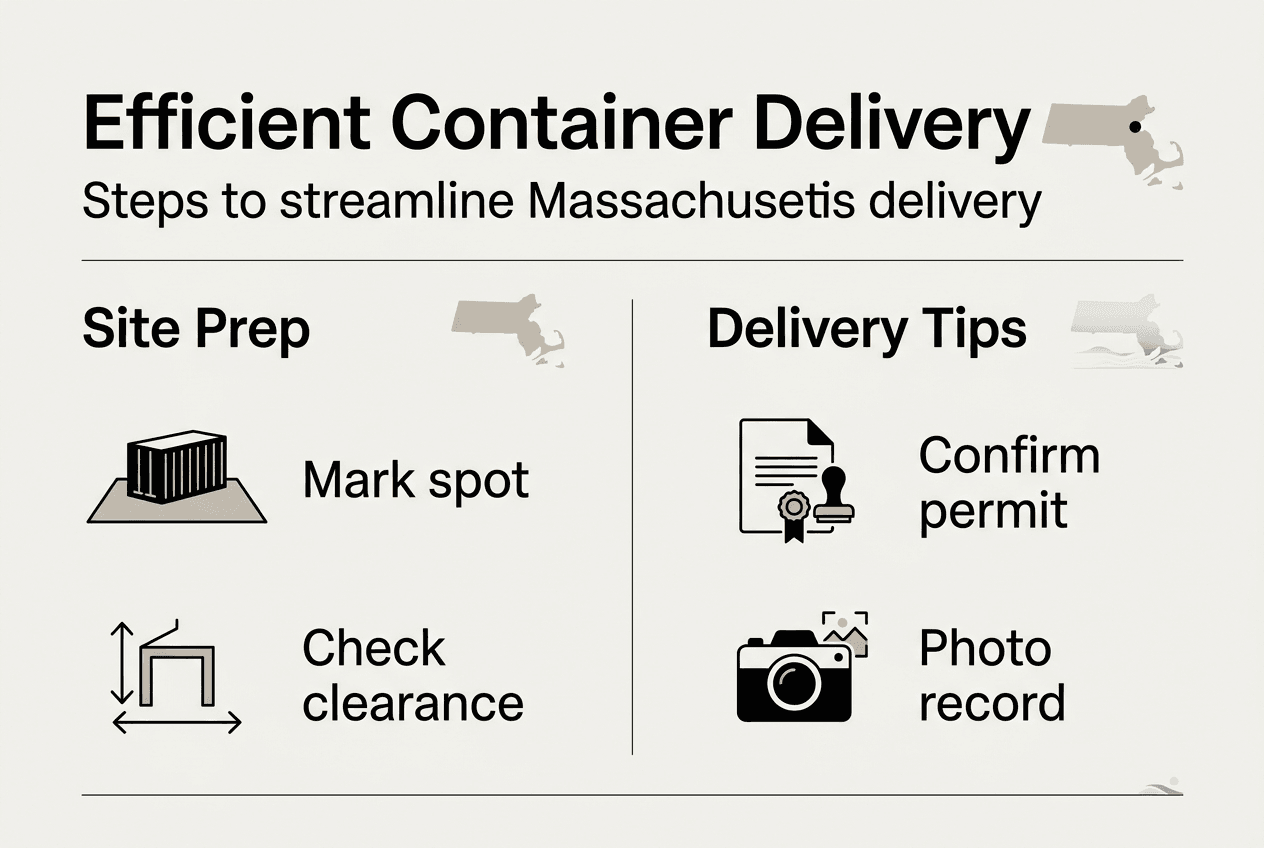
Fleet managers should standardize on 20-40ft container sizes to gain volume pricing leverage with rental providers. Bulk commitments for multiple units can reduce per-container costs by 10-20%. Pre-lease inspections catch existing damage that might otherwise become your financial responsibility at return. Negotiating delivery terms upfront clarifies who pays for repositioning if initial placement proves suboptimal.
Cost reduction strategies extend beyond rental rates. Choosing local providers eliminates long-distance transport fees that can exceed the monthly rental cost itself. Scheduling deliveries during off-peak seasons when demand drops can unlock 15-20% discounts. Combining container delivery with other equipment rentals from the same vendor often triggers package pricing that reduces overall logistics expenses.
Pro Tip: Request detailed weight specifications for your loaded container before delivery. Overweight units require specialized trucks and permits that add $200-$500 to delivery costs, expenses you can avoid by redistributing contents or splitting across multiple containers.
Exploring 40ft container rental tips reveals additional strategies around maximizing interior space utilization and selecting features like roll-up doors versus swing doors based on your loading equipment. Understanding 20-foot container capacity helps you right-size your rental to avoid paying for unused space. The storage container rental Massachusetts market offers diverse options, but informed comparison shopping based on total delivered cost rather than advertised monthly rates identifies the best value.
Applying the storage container delivery process for your business success
Implementing an efficient container delivery strategy starts with establishing clear internal workflows. Designate a logistics coordinator responsible for site preparation verification, permit tracking, and delivery scheduling. This person becomes your single point of contact with rental providers, eliminating communication gaps that cause delays. Create a pre-delivery checklist covering ground preparation, clearance confirmation, utility marking, and access route inspection. Running through this checklist 48 hours before scheduled delivery catches last-minute issues while you still have time to fix them.
Pre-delivery inspections should become standard operating procedure. Walk the container with your provider’s representative before accepting placement, documenting any existing damage with photos and written notes. Check door operation, lock functionality, and weatherproofing seals. Verify interior cleanliness meets your standards for stored materials. This 10-minute investment protects you from liability for pre-existing damage and ensures the unit meets your operational needs.
Weight distribution planning prevents unloading complications and safety hazards. Load heavier items toward container centers rather than concentrating weight at one end. This balanced approach keeps containers stable during tilt-bed unloading and prevents tipping risks. For inventory storage, create aisle access by loading perimeter first and keeping center paths clear. This layout strategy maintains accessibility without requiring container repositioning later.
Permit handling deserves dedicated specialist attention within your team or through your rental provider. Fleet managers should ensure someone tracks permit expiration dates, renewal requirements, and compliance documentation. Maintaining organized permit files prevents violations that trigger fines and potential container removal orders. Set calendar reminders for renewal deadlines 30 days in advance to avoid lapses.
Negotiating delivery terms upfront eliminates surprises. Clarify whether quoted prices include delivery and pickup or charge separately. Confirm repositioning policies if initial placement needs adjustment. Understand redelivery fees for containers moved between sites. Lock in pricing for extended rentals to avoid mid-contract rate increases. These contractual details significantly affect total cost of ownership.
Standardizing on specific container sizes simplifies logistics and improves negotiating leverage. If your operations consistently need 40-foot units, committing to that size across multiple rentals strengthens your position for volume discounts. Standardization also streamlines site preparation because you know exact clearance and ground requirements for every delivery.
Record keeping supports both operational efficiency and regulatory compliance. Maintain detailed logs of permit applications, approval documents, delivery receipts, inspection reports, and payment records. These files prove invaluable during audits, insurance claims, or disputes with rental providers. Digital copies stored in cloud systems ensure accessibility and prevent loss.
Leveraging truck and trailer sales Massachusetts resources can enhance your delivery capabilities if you handle container transport in-house. Owning appropriate towing equipment eliminates rental dependency and provides flexibility for urgent moves. Truck leasing Massachusetts offers a middle path, providing dedicated equipment without capital investment while maintaining operational control over delivery timing.
Get expert support for your storage container delivery and fleet needs
Navigating the complexities of storage container logistics becomes significantly easier when you partner with specialists who understand both equipment and regulatory landscapes. Apple Truck & Trailer brings decades of experience serving Massachusetts businesses with comprehensive solutions for commercial trucks, trailers, and storage containers. Whether you need reliable equipment for container transport or secure storage units designed for demanding commercial applications, expert guidance ensures you avoid common pitfalls that delay projects and inflate costs.
Explore truck and trailer sales Massachusetts options to build your fleet’s container delivery capabilities. Consult with specialists who understand the specific requirements of New England operations, from winter weather challenges to municipal permit variations. When buying used commercial trucks, focus on models with proven track records for towing and hauling containers efficiently. Discover secure storage container options that protect your inventory while meeting local code requirements. Leveraging industry expertise streamlines your logistics, reduces operational downtime, and ensures compliance across every delivery.
What permits are needed for temporary storage container placement in Massachusetts?
What permits are needed for temporary storage container placement in Massachusetts?
Massachusetts municipalities require local zoning permits for temporary container placement, with specific requirements varying by town. Oversize transport permits become mandatory if your container exceeds 12 feet in width or other dimensional limits. Fees typically range from $50 to $300 for zoning permits and $75 to $150 for transport permits, with processing times of 1-3 weeks depending on municipal workload. Understanding storage container permits specific to your location prevents costly delays and compliance issues.
What is the typical delivery time for unloading a storage container using a tilt-bed trailer?
Tilt-bed deliveries typically unload containers in under 30 minutes from truck positioning to final placement. The hydraulic slide-off process requires minimal site disruption and no additional equipment. Flatbed deliveries using cranes take 45-90 minutes depending on container size and site access. Choosing tilt-bed delivery significantly reduces labor costs and scheduling complexity for time-sensitive operations.
How can businesses reduce storage container delivery costs in Massachusetts?
Standardizing container sizes, conducting thorough pre-delivery inspections, and negotiating delivery inclusions upfront reduce overall costs. Selecting local providers eliminates long-distance transport fees that often exceed monthly rental charges. Scheduling deliveries during off-peak periods can unlock 15-20% discounts. Bulk commitments for multiple containers provide volume pricing leverage that cuts per-unit costs by 10-20%. These container rental cost tips deliver measurable savings across commercial operations.
What are the best practices for ensuring container delivery site readiness?
Best practices include ensuring 80-125 feet of straight clearance depending on container size, maintaining firm level ground such as concrete or compacted gravel, and removing all overhead obstructions including power lines and tree branches. Mark the exact drop-off spot with spray paint or stakes to eliminate placement confusion. Verify ground conditions 48 hours before delivery to address any settling or drainage issues. Following this site preparation guide prevents delivery failures and costly rescheduling fees.