Most American fleet managers know that over 80 percent of trucking operations in Massachusetts depend on local expertise for smooth day-to-day performance. Managing a fleet means facing tough decisions about buying quality used trucks and locking in the right maintenance plans. This guide uncovers the real impact local truck dealers have on your bottom line, helping you avoid costly mistakes and find a dealer who understands the unique demands of Massachusetts roads.
Table of Contents
- Core Role of Local Truck Dealers Explained
- Types of Local Dealers and Service Models
- Key Features of Dealer Offerings for Fleets
- Massachusetts Regulations Impacting Truck Purchases
- Costs, Risks, and Common Dealer Mistakes
- Comparing Local Versus National Dealers
Key Takeaways
| Point | Details |
|---|---|
| Local Truck Dealers Are Essential | They provide comprehensive support that includes vehicle procurement, customization, and maintenance, crucial for fleet efficiency. |
| Service Models Vary | Franchised dealers focus on new trucks and certified services, while independent dealers offer used trucks with flexible pricing. |
| Regulatory Compliance Is Key | Understanding Massachusetts regulations is vital for fleet purchases, helping avoid compliance issues and benefiting from state incentives. |
| Effective Communication Is Critical | Transparency in communication regarding pricing and contract terms is essential to mitigate operational risks and unexpected expenses. |
Core Role of Local Truck Dealers Explained
Local truck dealers function as critical intermediaries between truck manufacturers and fleet operators, providing comprehensive support that extends far beyond simple vehicle sales. These specialized professionals serve as strategic partners who help Massachusetts fleet owners navigate complex commercial trucking requirements with precision and expertise.
At the core of their role, local dealers offer end-to-end vehicle procurement services that include detailed market insights, vehicle selection guidance, and tailored financing options. Fleet management professionals rely extensively on local dealers for nuanced support that addresses specific operational demands. This includes customization capabilities, maintenance planning, and strategic vehicle lifecycle management that directly impacts fleet efficiency and operational costs.
Moreover, local truck dealers provide critical infrastructure support through their comprehensive service departments. They handle everything from initial truck specification consultations to ongoing maintenance, warranty support, and eventual trade-in or replacement strategies. By maintaining deep regional market knowledge and established relationships with manufacturers, these dealers can negotiate better pricing, recommend optimal vehicle configurations, and provide responsive technical support that national sales channels cannot match.
Pro tip: Before selecting a local truck dealer, request comprehensive references from other Massachusetts fleet operators to validate their track record of responsive service and technical expertise.
Types of Local Dealers and Service Models
The Massachusetts commercial trucking landscape features a diverse ecosystem of truck dealers, each offering unique service models tailored to meet specific fleet operational requirements. Local truck dealers in the state range from manufacturer-authorized franchised outlets to independent used vehicle specialists, providing fleet owners with multiple procurement and service options.
Franchised dealers represent the most comprehensive service model, typically affiliated directly with major truck manufacturers like Freightliner, Kenworth, or Peterbilt. These dealers provide new vehicle sales, manufacturer-certified maintenance, warranty services, and direct access to original equipment manufacturer (OEM) parts. Independent dealers, by contrast, specialize in used truck sales and often offer more flexible pricing and acquisition strategies for budget-conscious fleet managers.
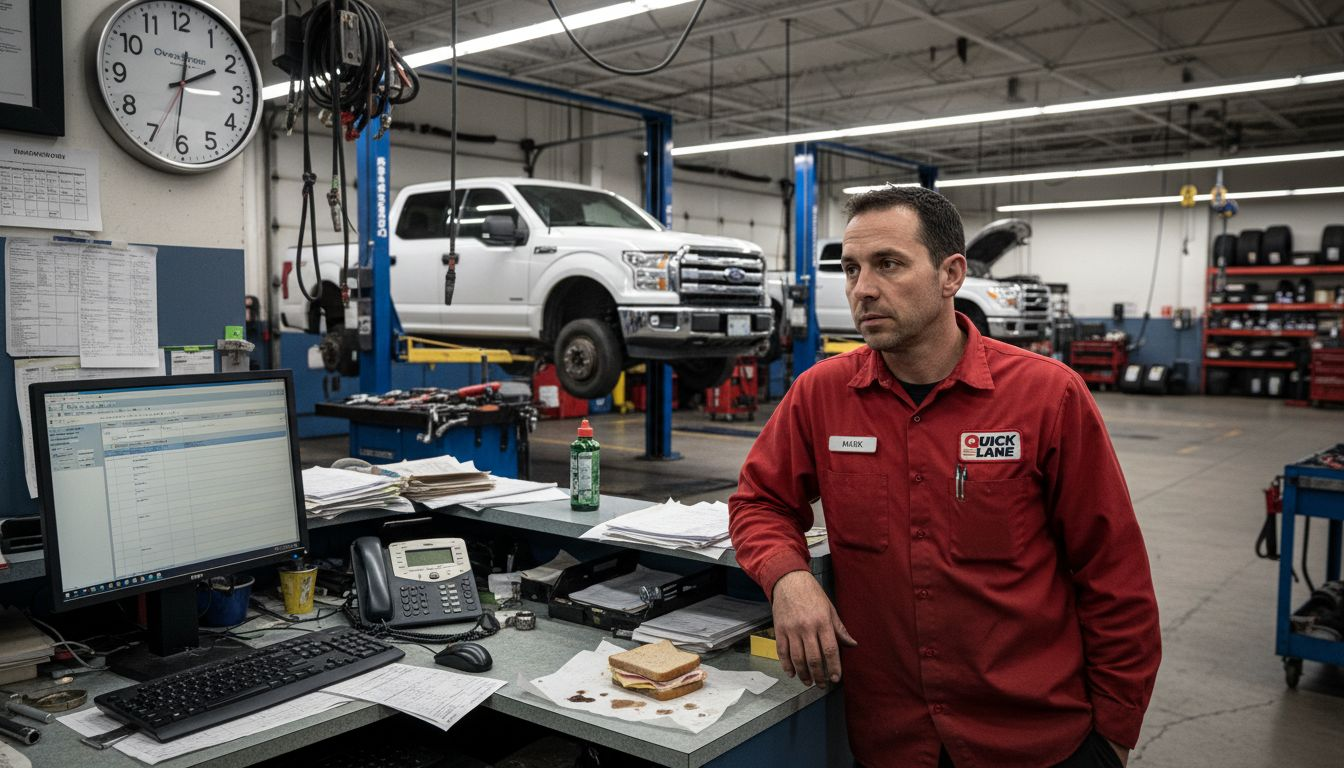
Massachusetts truck dealers also differentiate themselves through specialized service infrastructure. Some maintain full-service repair facilities with advanced diagnostic equipment, while others focus on mobile service units that can perform maintenance and repairs directly at fleet operating locations. State regulations mandate specific compliance standards for commercial trucking service providers, ensuring that regardless of dealer type, fleet owners receive professional, standards-compliant support.
Pro tip: Evaluate potential truck dealers not just by their inventory, but by their comprehensive service capabilities, technological infrastructure, and responsiveness to fleet-specific maintenance requirements.
Here’s a comparison of franchised and independent local truck dealers to help clarify their strategic value for Massachusetts fleet owners:
| Aspect | Franchised Dealer | Independent Dealer |
|---|---|---|
| Manufacturer Ties | Directly affiliated with major brands | No direct brand affiliation |
| Inventory Type | Focus on new trucks, OEM parts | Primarily used trucks, wider price range |
| Service Scope | OEM-certified maintenance & warranty | Flexible repairs, may lack certifications |
| Pricing Flexibility | Less flexible, standardized pricing | More price negotiation opportunities |
| Regulatory Support | Expert guidance on compliance | May offer local insights, less formal |
| Financing Options | Manufacturer-backed plans available | May offer creative, third-party options |
Key Features of Dealer Offerings for Fleets
Modern truck dealers have evolved from simple sales outlets to comprehensive fleet support partners, offering an extensive range of services designed to address the complex operational needs of Massachusetts commercial trucking businesses. Fleet-specific vehicle configurations and dedicated support programs have become cornerstone offerings that distinguish top-tier dealerships from traditional sales environments.
The most sophisticated dealer offerings now integrate advanced technological solutions alongside traditional vehicle procurement services. Comprehensive fleet management packages typically include critical components such as telematics integration, customized financing options, emergency roadside assistance, and data-driven operational analytics. These services help fleet managers optimize vehicle performance, control maintenance expenses, and ensure regulatory compliance across their entire transportation infrastructure.
Dealers have also expanded their value proposition by providing specialized support that extends well beyond initial vehicle sales. Maintenance contracts and strategic fleet analytics play a crucial role in driving operational efficiency, enabling fleet owners to make data-informed decisions about vehicle replacement, route optimization, and long-term capital investment strategies. The most progressive dealers now function as true operational partners, offering insights that directly contribute to a fleet’s bottom-line performance.
Pro tip: Request detailed performance analytics and total cost of ownership projections from potential dealers to truly understand the comprehensive value of their fleet support services.
Massachusetts Regulations Impacting Truck Purchases
Massachusetts maintains a comprehensive regulatory framework that significantly influences commercial truck purchases and fleet management strategies. Specific vehicle size and weight limits, safety equipment mandates, and stringent emissions standards create a complex compliance landscape that fleet owners must carefully navigate when selecting and purchasing vehicles.
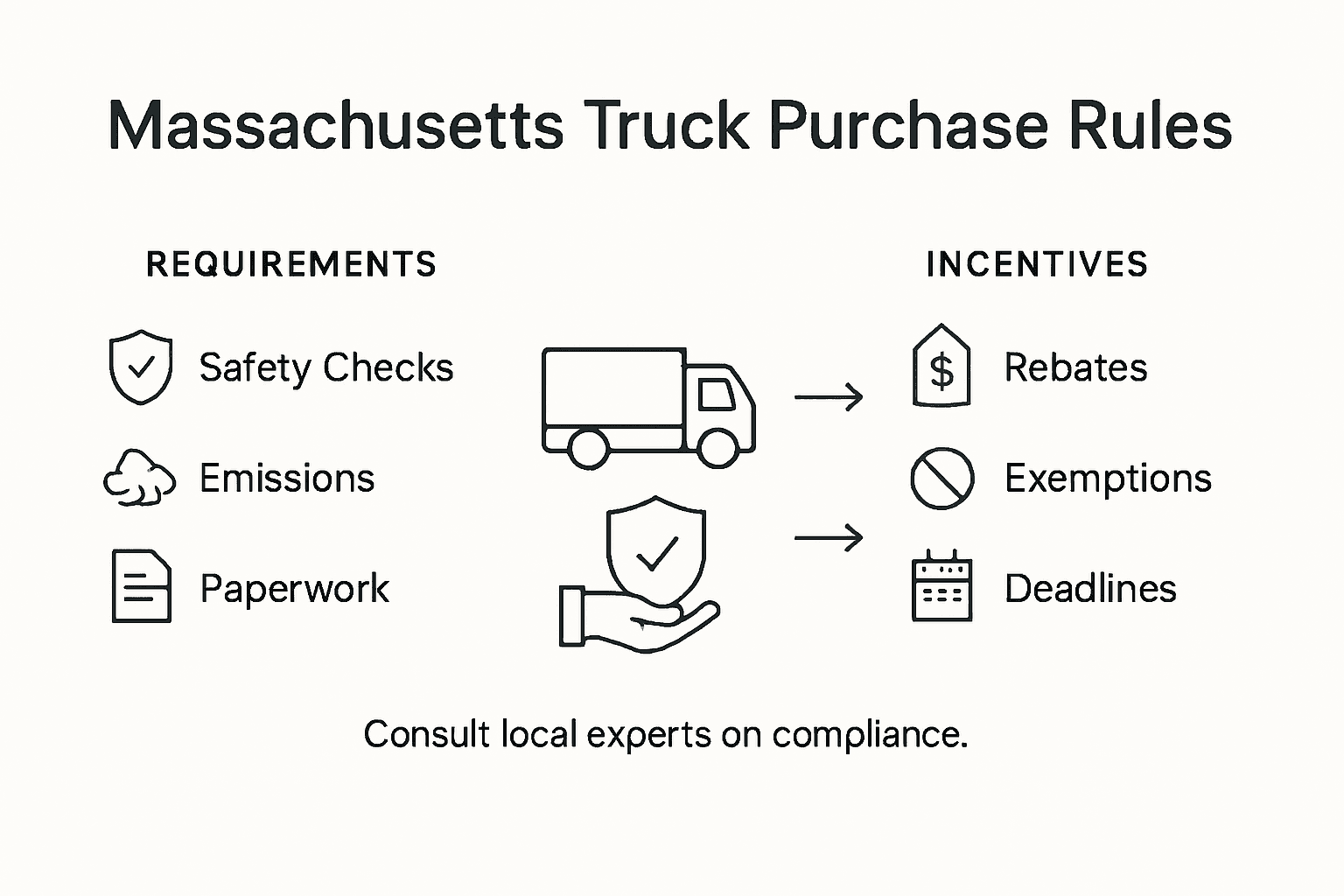
The state’s regulatory environment is particularly focused on ensuring public safety and environmental responsibility. Commercial truck regulations are primarily governed by Chapter 90 of Massachusetts General Laws, with enforcement managed by the Massachusetts Department of Transportation (MassDOT) and Registry of Motor Vehicles (RMV). These regulations dictate everything from allowable vehicle dimensions and weight restrictions to mandatory safety equipment and periodic inspection requirements that directly impact fleet purchasing decisions.
Additionally, Massachusetts provides strategic incentives that can influence truck purchase decisions, particularly for environmentally conscious fleet operators. The Massachusetts Electric Vehicle Incentive Program encourages adoption of alternative fuel and electric truck technologies, creating financial and regulatory pathways that make cleaner vehicle technologies more attractive for commercial fleets. These incentive programs not only provide potential cost savings but also align fleet investments with broader state environmental goals.
Pro tip: Consult with local truck dealers who specialize in Massachusetts regulations to ensure your fleet vehicle purchases remain fully compliant with current state requirements.
Costs, Risks, and Common Dealer Mistakes
Fleet owners must navigate a complex financial landscape when working with truck dealers, where seemingly minor oversights can translate into substantial operational risks and unexpected expenses. Operational costs for trucking represent a significant financial challenge, with potential pitfalls ranging from unexpected repair expenses to poor vehicle uptime, making strategic dealer selection critical for long-term financial success.
The most prevalent risks emerge from dealer communication and transparency gaps. Dealerships may inadvertently misrepresent maintenance requirements, warranty coverage, or vehicle specifications, creating potential financial vulnerabilities for fleet operators. These communication breakdowns can lead to misaligned expectations, hidden costs, and potentially compromised vehicle performance that directly impact a fleet’s bottom-line efficiency.
Dealer mistakes often stem from inadequate communication and insufficient transparency regarding pricing, contract terms, and service commitments, which can significantly disrupt fleet operational reliability. Fleet managers must therefore approach dealer relationships with a strategic, detail-oriented mindset, carefully scrutinizing service level agreements, maintenance protocols, and comprehensive cost projections to mitigate potential financial risks and ensure predictable operational performance.
Pro tip: Develop a comprehensive checklist of financial and operational requirements before engaging with any truck dealer, and insist on detailed, written documentation of all commitments and potential cost implications.
Below is a summary of common cost risks and tips to avoid financial pitfalls when partnering with local truck dealers:
| Risk Area | Description | Risk Mitigation Strategy |
|---|---|---|
| Warranty Coverage | Misrepresented or unclear terms | Request written details and review closely |
| Maintenance Expenses | Unexpected repair or service costs | Negotiate fixed-cost maintenance contracts |
| Vehicle Specifications | Specs not matching operational needs | Confirm specs meet fleet requirements |
| Communication Gaps | Lack of clear, timely information | Establish regular check-ins with dealer |
| Contract Fine Print | Hidden fees or ambiguous clauses | Scrutinize all contract terms before signing |
Comparing Local Versus National Dealers
The choice between local and national truck dealers represents a critical strategic decision for Massachusetts fleet owners, with each dealer type presenting unique advantages and potential limitations. Local dealers distinguish themselves through personalized service, immediate responsiveness, and deep regional market knowledge, offering customized solutions that can be particularly valuable for smaller to mid-sized fleet operations.
Dealer selection strategies must carefully evaluate the specific operational requirements of each fleet. National dealership chains typically leverage significant scale advantages, providing broader vehicle inventories, uniform service standards, and potentially more competitive pricing structures. These comprehensive networks can be especially beneficial for fleets operating across multiple states or requiring consistent maintenance protocols across diverse geographic regions.
The trade-offs between local and national dealers fundamentally revolve around flexibility, community engagement, and operational scalability. While national dealers offer standardized processes and potentially lower overall costs, local dealers bring nuanced understanding of regional regulatory environments, faster problem resolution, and more personalized relationship management. Massachusetts fleet owners must weigh these factors against their specific operational complexity, budget constraints, and long-term strategic objectives.
Pro tip: Conduct a comprehensive evaluation that goes beyond pricing, examining factors like response time, technical expertise, parts availability, and historical service reliability when comparing local versus national truck dealers.
Strengthen Your Massachusetts Fleet with Trusted Local Truck Dealer Support
Navigating the complex landscape of commercial truck acquisition and maintenance in Massachusetts requires a reliable partner who understands local regulations, vehicle customization needs, and fleet-specific service demands. Whether you are looking to optimize total cost of ownership, streamline maintenance schedules, or explore flexible acquisition options like leasing, partnering with a knowledgeable dealer can make all the difference. Understanding the challenges around warranty coverage, maintenance transparency, and compliance is essential to avoid costly pitfalls.
At Apple Truck & Trailer, we specialize in supporting Massachusetts fleet owners with a full spectrum of services from high-quality used truck sales to expert Semi Truck Repair Near Me – Apple Truck & Trailer and tailored Truck Leasing – Apple Truck & Trailer options.
Take control of your fleet’s operational efficiency and compliance today by visiting Apple Truck & Trailer to explore our extensive inventory and service solutions. Contact us now to secure expert support that keeps your fleet running smoothly while navigating Massachusetts’s unique trucking requirements.
Frequently Asked Questions
What services do local truck dealers provide for fleet owners?
Local truck dealers offer end-to-end vehicle procurement services, including market insights, vehicle selection guidance, financing options, maintenance planning, and strategic vehicle lifecycle management tailored to fleet needs.
How can I assess the quality of a local truck dealer?
To evaluate a local truck dealer, request references from other fleet operators to validate their track record, and examine their service capabilities, technological infrastructure, and responsiveness to specific fleet maintenance requirements.
What distinguishes franchised dealers from independent dealers?
Franchised dealers are affiliated directly with major brands and provide new vehicle sales, OEM parts, and certified maintenance, while independent dealers primarily handle used trucks and may offer more flexible pricing but lack manufacturer certifications.
How do regulations impact truck purchases?
State regulations impact truck purchases by enforcing size and weight limits, safety equipment mandates, and emissions standards. These regulations are essential to ensure compliance and should be considered when choosing suitable vehicles for a fleet.