
TL;DR:
- Storage container rental rates vary widely based on size, rental term, location, and hidden fees. Northeast regions like Massachusetts typically face higher costs, with delivery fees significantly impacting total expenses. To secure the best deal, compare itemized quotes, negotiate terms, and consider self-tow portable options for short-term needs.
If you’ve searched for storage container rental rates near me and come back with quotes ranging from $75 to $500 a month, you’re not doing it wrong. That range is real, and it’s driven by factors most providers don’t explain upfront: container size, rental term, distance from the depot, and a surprisingly long list of fees that never appear in the headline price. For fleet owners and logistics managers in Massachusetts and nearby states like Rhode Island, Connecticut, and New Hampshire, those hidden costs add up fast. This guide breaks down exactly what drives local storage container prices and how to secure competitive rates for your operation.
Table of Contents
- Understanding storage container rental pricing in your region
- Comparing container types and how rental terms affect pricing
- Hidden fees and delivery cost considerations for local rentals
- Using portable container options for short-term fleet moves
- How to find and compare storage container rental rates near you
- Why most fleet rental cost advice misses the full picture
- Explore reliable storage containers tailored for your fleet needs
- Frequently asked questions
Understanding storage container rental pricing in your region
The single biggest driver of confusion around storage container rental benefits is that no two quotes are built the same way. One provider bundles delivery into the monthly rate. Another quotes the container alone, then hits you with separate delivery, pickup, and fuel surcharge line items. Before you can compare local storage container prices, you need to understand the components.
Container size is the first variable. Nationally in 2026, 20ft storage container rentals average $75 to $200 per month on month-to-month terms, dropping to $65 to $125 on 12-month agreements. The 40ft containers run $150 to $300 month-to-month, or $95 to $200 for 12-month terms. Delivery fees are additional and can rival a month’s rental.
Location matters in ways that surprise even experienced fleet managers. The Northeast region including Massachusetts, New York, New Jersey, and Pennsylvania consistently carries higher rental and delivery costs than most of the country. Dense urban areas, higher operating costs, and strong commercial demand all push prices up. Expect to pay toward the higher end of national ranges when sourcing containers in or around Boston, Providence, or Hartford.
Here’s what drives local storage container prices in the Northeast:
- Container size: 10ft units are rare and often priced disproportionately high. 20ft is the most common and best-priced per square foot. 40ft offers the most space but not always the best value if you don’t fill it.
- Rental term length: Month-to-month flexibility comes at a premium. Committing to longer terms lowers your monthly rate by 15 to 30%.
- Distance from supplier depot: Every mile between the depot and your site adds cost. Staying within 30 miles of a supplier cuts delivery fees significantly.
- Container condition: Standard “as is” units are cheaper. Wind and watertight (WWT) certified units cost more but matter for protecting inventory.
- Demand seasonality: Spring and summer drive demand up. Rates often soften in fall and winter, especially for non-commercial moves.
| Container size | Month-to-month avg. | 12-month avg. | Typical delivery fee |
|---|---|---|---|
| 20ft standard | $75 to $200/month | $65 to $125/month | $150 to $500 |
| 40ft standard | $150 to $300/month | $95 to $200/month | $200 to $600 |
| 40ft high cube | $175 to $325/month | $110 to $220/month | $200 to $600 |
Comparing container types and how rental terms affect pricing
Fleet managers often rent the first available container without considering whether the size and type actually match their workflow. That’s a costly habit. Mobile storage container options range from compact 10ft boxes suited for site tool storage all the way to 40ft high cubes used for large-scale inventory staging or temporary warehousing.
Suppliers typically discount a 12-month rental by 15 to 30% compared to month-to-month pricing. On a $200 per month 40ft unit, that’s $30 to $60 back in your pocket every month. Over a year, you’re looking at $360 to $720 in savings on a single container. For fleets running multiple units, that math compounds fast.
Here’s how the main container types stack up for commercial use:
- 10ft containers: Tight on space but easy to place in restricted yards. Rates often feel overpriced relative to volume.
- 20ft containers: The workhorse of commercial storage rentals. Fits most forklifts, handles palletized freight, and fits in most commercial parking areas.
- 40ft standard containers: Right for high-volume tool staging, large equipment storage, or temporary overflow inventory. Requires more site clearance for delivery.
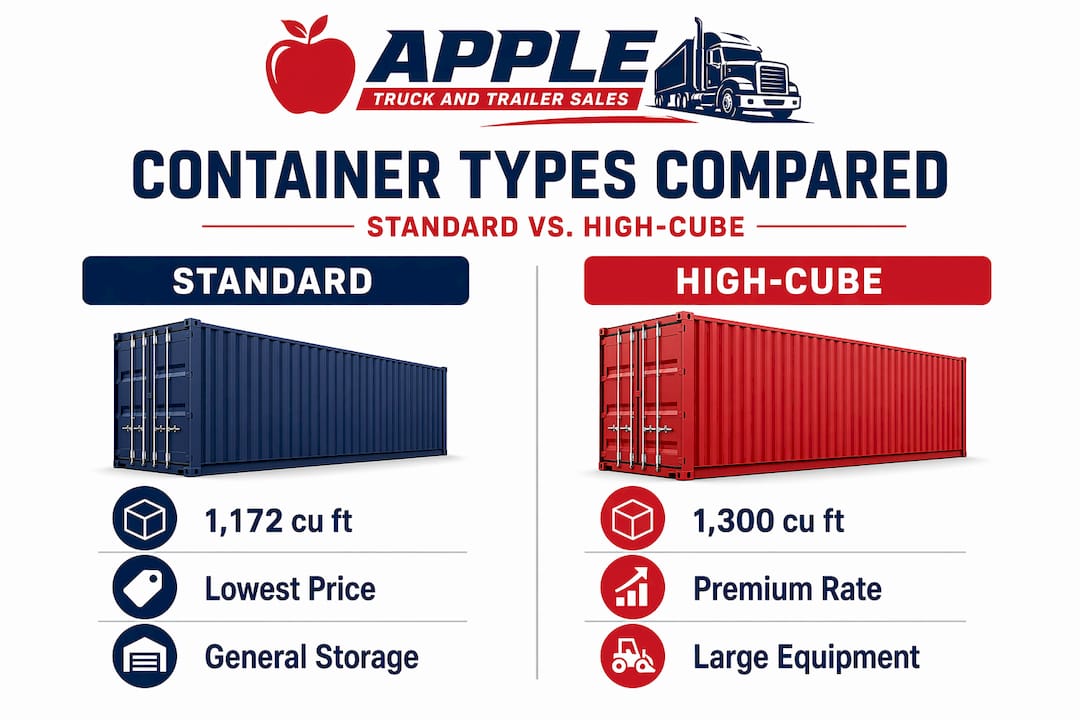
- 40ft high cube containers: One foot taller than standard (9’6″ interior height vs. 8’6″). Worth the premium if you’re stacking freight or need ceiling clearance for shelving.
| Container type | Interior volume | Best use | Premium over standard |
|---|---|---|---|
| 20ft standard | 1,172 cu ft | Tool storage, small fleet staging | Baseline |
| 40ft standard | 2,385 cu ft | Large inventory, fleet equipment | Baseline |
| 40ft high cube | 2,660 cu ft | Stacked freight, racking systems | 10 to 15% |
Pro Tip: If you’re renting multiple containers at once for a job site or yard, always negotiate as a package. Suppliers routinely offer 10 to 15% off when you take two or more units on the same delivery route.
Hidden fees and delivery cost considerations for local rentals
This is where most fleet managers get burned. The advertised monthly rate is just the starting point. The true cost of a local rental includes delivery, pickup, and a range of conditional fees that only appear in the fine print.
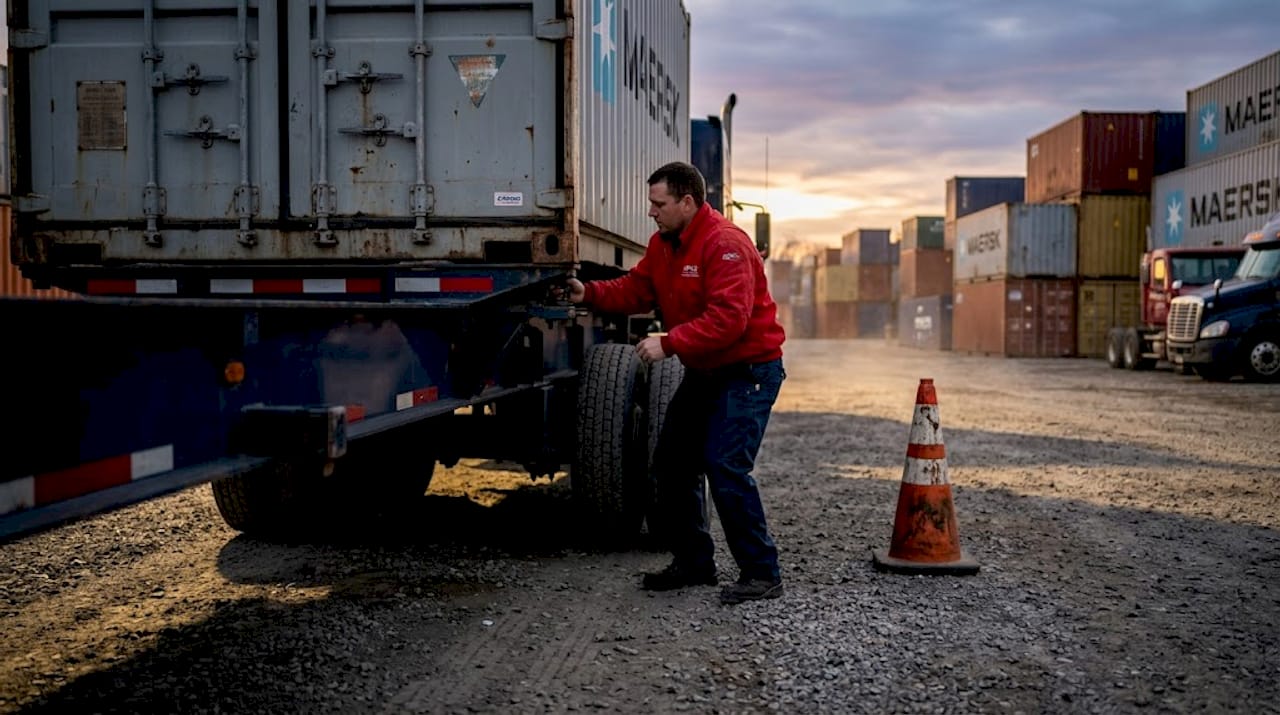
Delivery fees alone range from $150 to $500 depending on how far you are from the supplier’s depot. Within 30 miles, expect $150 to $350. Beyond 30 miles, most suppliers add $3 to $5 per additional mile. Pickup fees at the end of your rental typically mirror delivery, meaning a 60-mile round trip from depot to site could add $700 to $1,000 to your total cost before you’ve paid a single month’s rent.
Watch out for these additional charges:
- After-hours or weekend delivery: Common in active job site scheduling. Expect a $75 to $200 surcharge.
- Failed delivery attempts: If your site isn’t ready or access is blocked, a second delivery attempt costs $100 to $300.
- Repositioning fees: Moving a container from one spot on your property to another is not free. Costs range from $150 to $400 depending on distance and access.
- Hazmat or cleaning fees: Returning a container in unusable condition can trigger fees of $150 or more.
- Fuel surcharges: Not always disclosed upfront. Ask for these specifically when comparing quotes.
“Delivery fees and site accessibility often add hundreds to rental costs, which many fleet managers overlook.” Source: Storage Container Rental Cost Guide 2026
Pro Tip: Before a delivery is scheduled, walk your site and confirm the delivery truck can complete a full turn without obstacles. Tight yards, low-clearance gates, and overhead lines all affect delivery options and can trigger added fees or canceled attempts.
Using portable container options for short-term fleet moves
Traditional container rentals assume you have a stable yard or staging location. But fleet logistics don’t always work that way. Seasonal moves, job site rotations, and short-term overflow storage call for a different approach. Short-term portable container use covers scenarios where flexibility matters more than cubic footage.
One option that experienced fleet managers underuse: portable containers you tow yourself. U-Box units average $39 to $160 for local rentals including delivery and pickup, with storage fees ranging from $0 to $170 per month depending on location. The key insight is that towing the unit yourself using a compatible trailer saves $100 to $300 in delivery fees for short hauls under 50 miles.
This approach works best under specific conditions:
- Moves under 50 miles: Beyond that, traditional rentals usually offer better economics.
- Temporary job site storage: Drop it, load it, move it when the site wraps up. No repositioning invoice.
- Seasonal fleet equipment storage: Off-season tools and parts that cycle predictably.
- Situations where delivery timing is uncertain: Controlling your own delivery timeline avoids after-hours surcharges and failed delivery fees.
Pro Tip: Before committing to a portable container rental, call the receiving storage facility directly and ask if you can access your unit outside staffed hours. Many facilities allow keypad or gate-code access at no additional charge, which removes scheduling friction from tight fleet logistics.
How to find and compare storage container rental rates near you
Knowing the cost structure is half the battle. Applying it to find competitive storage unit prices in your area requires a process, not just a search. Without one, you end up with three incomparable quotes and no clear basis for a decision.
Here’s a step-by-step process that works:
- Search within 30 to 75 miles of your location. Beyond 75 miles, delivery fees outweigh rate savings in most cases. Staying closer to established depots keeps total cost lower.
- Request quotes from at least three suppliers. Rates vary 15 to 30% between suppliers in the same market for the same container size and condition.
- Ask for an itemized quote. Monthly rental, delivery, pickup, fuel surcharge, and any damage waiver should each appear as separate line items.
- Calculate total cost, not just monthly rate. Add delivery plus pickup plus monthly rate times your rental term. That’s your real comparison number.
- Inspect the container before confirming. Request photos of the actual unit. Wind and watertight certification matters for protecting equipment. A rusty floor causes real operational problems.
Additional negotiating points worth raising with any supplier:
- Multi-container discounts for running two or more units simultaneously
- Free repositioning within a defined radius for long-term rentals
- Rate locks for 12 to 24 month terms to protect against price increases
- Waived pickup fees for finding local container rentals that you return to a nearby depot yourself
The best storage container deals rarely go to the first caller. They go to the buyer who walks in with a clear set of requirements, a realistic budget, and three competing quotes to reference.
Why most fleet rental cost advice misses the full picture
Most content about affordable storage rentals nearby focuses on the monthly rate and stops there. That framing is almost useless for fleet managers making real operational decisions.
Here’s the honest reality: the monthly rate is often the least important number. A $150 per month container that costs $800 to deliver and pick up in a short-term rental already has a $1,100 baseline before a single month passes. Meanwhile, a $200 per month container from a local supplier 12 miles away might run $300 total for delivery and pickup. At three months, the “cheaper” container costs $1,550. The local one costs $1,100. The rate comparison was never the right comparison.
Container condition is another variable that almost no rate guide addresses. A wind and watertight unit keeps your fleet equipment dry. A container with a compromised roof or floor seal means damaged inventory, potential insurance claims, and the operational headache of sorting through what’s salvageable. The cost of a bad container isn’t on the invoice. It shows up later.
Delivery timing and site access matter just as much. A delayed container on a job site stalls the entire crew schedule. The cost of that delay doesn’t appear in rental cost considerations anywhere, but it’s real. Work with suppliers who commit to delivery windows and have local equipment to back them up.
Long-term commitments deserve more respect than most fleet managers give them. Signing a 12-month agreement feels like a constraint, but it delivers predictable pricing, often a locked rate, and usually better service priority from the supplier. The flexibility of month-to-month is rarely worth the 15 to 30% premium you’re paying for it, unless your project timeline is genuinely uncertain.
Explore reliable storage containers tailored for your fleet needs
Apple Truck and Trailer has been serving fleet owners and logistics managers across Massachusetts, Rhode Island, Connecticut, and New Hampshire since 1986. That’s nearly four decades of understanding what commercial operators actually need from their storage solutions.
When you’re ready to move past rate confusion and lock in storage that works for your operation, reliable container rentals in Massachusetts are available with transparent pricing, no buried fees, and flexible terms designed for commercial use. Whether you need a single 20ft unit for a job site or multiple containers for a fleet staging yard, our team helps you right-size the solution. Explore your options with our comprehensive container rental guide, or get details specific to your situation from our Massachusetts moving container rental resource. Reach out directly for a quote built around your actual requirements.
Frequently asked questions
What affects storage container rental rates near me?
Rates depend on container size, rental term length, regional demand, and delivery distance, with Massachusetts pricing typically running toward the higher end of national ranges due to Northeast operating costs and commercial demand.
Can I save on delivery fees when renting a portable storage container?
Yes. Options like U-Box let you tow the container yourself using a compatible trailer, saving $100 to $300 on delivery fees for short moves under 50 miles.
How long should I rent a container to get the best monthly rate?
Renting for 12 months typically reduces your monthly rate by 15 to 30% compared to month-to-month, with 12-month agreements delivering the strongest long-term price stability.
What are common hidden fees to watch out for?
Delivery and pickup fees, after-hours service charges, failed delivery attempt fees, and repositioning costs all add to your actual total. Delivery fees alone range from $150 to $500 depending on distance, with pickup fees typically mirroring that amount.