
Most American fleet managers know that even one overlooked rule can result in steep fines or downtime. With Massachusetts enforcing some of the strictest commercial trailer standards in the country, understanding state regulations becomes a daily concern for logistics coordinators. This guide cuts through confusing rules and brings clarity on legal definitions, safety equipment, weight categories, and registration steps so your trucks stay compliant and operational.
Table of Contents
- Defining Commercial Trailers And Key Uses
- Legal Classifications And Weight Categories
- Registration, Licensing, And Inspection Rules
- Mandatory Safety Equipment And Markings
- Understanding Weight Limits And Load Securement
- Consequences Of Non-Compliance For Operators
Key Takeaways
| Point | Details |
|---|---|
| Commercial Trailers Defined | Commercial trailers are specialized vehicles used for transporting goods in various industries, governed by strict state regulations in Massachusetts. |
| Legal Classifications | Trailers are categorized by weight classes that influence licensing and operational requirements; GVWR is key to determining these classifications. |
| Registration and Compliance | Owners must navigate thorough registration, licensing, and safety inspection processes to ensure legal operation of their commercial trailers. |
| Consequences of Non-Compliance | Failure to adhere to regulations can result in fines, operational disruptions, and long-term impacts on business licensing and insurance. |
Defining Commercial Trailers and Key Uses
Commercial trailers represent specialized transportation equipment designed to meet the complex logistical demands of businesses across Massachusetts. These trailers are specifically engineered to facilitate the efficient movement of goods, materials, and products for commercial and industrial purposes.
Under Massachusetts state regulations, commercial trailers are distinguished from personal or recreational trailers by their primary function and operational requirements. These vehicles serve critical roles across various industries, including manufacturing, agriculture, construction, and transportation logistics. Typical configurations include flatbed trailers, refrigerated trailers, enclosed cargo trailers, and specialized equipment transporters that enable businesses to move substantial payloads across short and long distances.
The legal definition of commercial trailers extends beyond mere transportation equipment. Federal acquisition regulations define them as products serving commercial purposes that support business operations and trade activities. In Massachusetts, these trailers must meet stringent equipment standards, safety regulations, and operational guidelines that ensure public safety and maintain professional transportation infrastructure.
Pro Tip: Always verify your commercial trailer’s specific classification and compliance requirements with Massachusetts Department of Transportation officials to avoid potential regulatory penalties.
Legal Classifications and Weight Categories
Commercial trailer classifications in Massachusetts follow a comprehensive legal framework that categorizes vehicles based on their weight and operational characteristics. Trucks and trailers are systematically classified into nine distinct weight classes, with each category determining specific regulatory requirements and operational guidelines for commercial transportation.
The Gross Vehicle Weight Rating (GVWR) serves as the primary metric for trailer classification. Typically, commercial trailers fall into medium to heavy-duty classes ranging from Class 4 to Class 8, which directly impact licensing, permitting, and operational standards. These classifications ensure that trailers are matched with appropriate safety regulations, driver certification requirements, and road usage permissions that align with their specific weight and cargo capabilities.
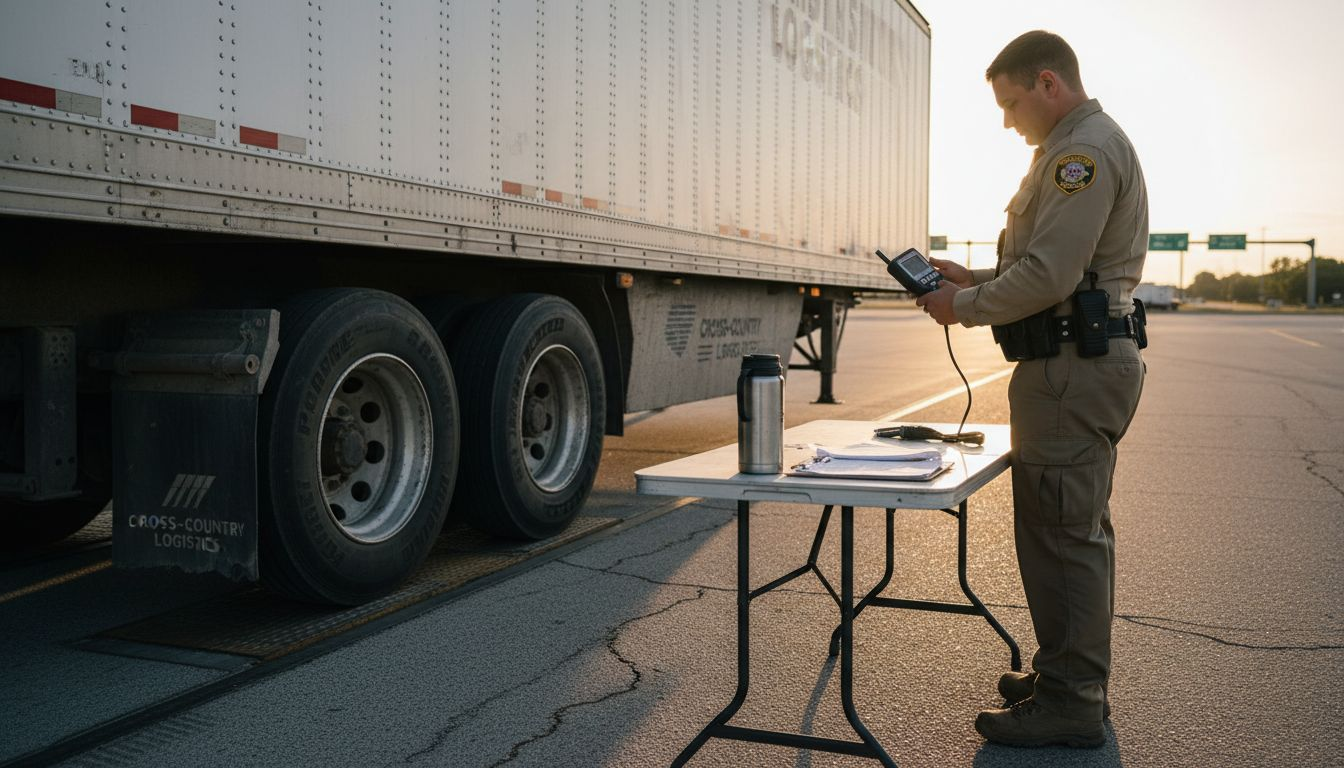
Massachusetts commercial trucking regulations provide detailed specifications for these weight categories, establishing precise thresholds that dictate legal operation. Fleet managers and transportation professionals must navigate these classifications carefully, as weight determinations influence everything from required permits to highway access restrictions. Different weight classes mandate varying levels of driver certification, vehicle maintenance standards, and safety equipment requirements.
Here is a quick reference summarizing Massachusetts commercial trailer weight classes and their common business applications:
| Weight Class | GVWR Range (lbs) | Typical Uses |
|---|---|---|
| Class 4 | 14,001–16,000 | Local deliveries, landscaping |
| Class 5 | 16,001–19,500 | Construction, service fleets |
| Class 6 | 19,501–26,000 | Regional freight, moving |
| Class 7 | 26,001–33,000 | Heavy equipment transport |
| Class 8 | Over 33,000 | Long-haul freight, large loads |
Pro Tip: Consult the Massachusetts Department of Transportation for the most current weight classification guidelines, as regulatory requirements can change and impact your commercial trailer’s legal operational status.
Registration, Licensing, and Inspection Rules
Commercial trailer owners in Massachusetts must navigate a complex regulatory landscape to ensure legal operation. The state mandates comprehensive registration and licensing procedures that involve multiple steps and detailed documentation requirements for commercial vehicle operators.
The registration process involves submitting critical documentation to the Massachusetts Registry of Motor Vehicles, including proof of ownership, trailer specifications, and payment of applicable fees. These fees typically vary based on the trailer’s weight classification, with heavier commercial trailers incurring higher registration costs. Annual safety inspections are mandatory for all commercial trailers, ensuring that vehicles meet stringent safety and emissions standards established under Massachusetts General Law Chapter 90.
Operators must complete these requirements systematically, beginning with obtaining proper documentation, scheduling inspections at licensed inspection stations, and maintaining up-to-date registration certificates. Different trailer weight classes and intended commercial uses may trigger additional licensing requirements, making it crucial for fleet managers and independent operators to understand the specific regulations applicable to their specific trailer configurations.
Pro Tip: Maintain a comprehensive folder of all trailer documentation and schedule inspections at least 30 days before current registration expires to avoid potential operational disruptions.
Mandatory Safety Equipment and Markings
Commercial trailers in Massachusetts must adhere to stringent safety equipment regulations designed to protect drivers and other road users. Comprehensive equipment requirements are meticulously outlined in state transportation regulations, establishing precise standards for visibility, structural integrity, and operational safety.
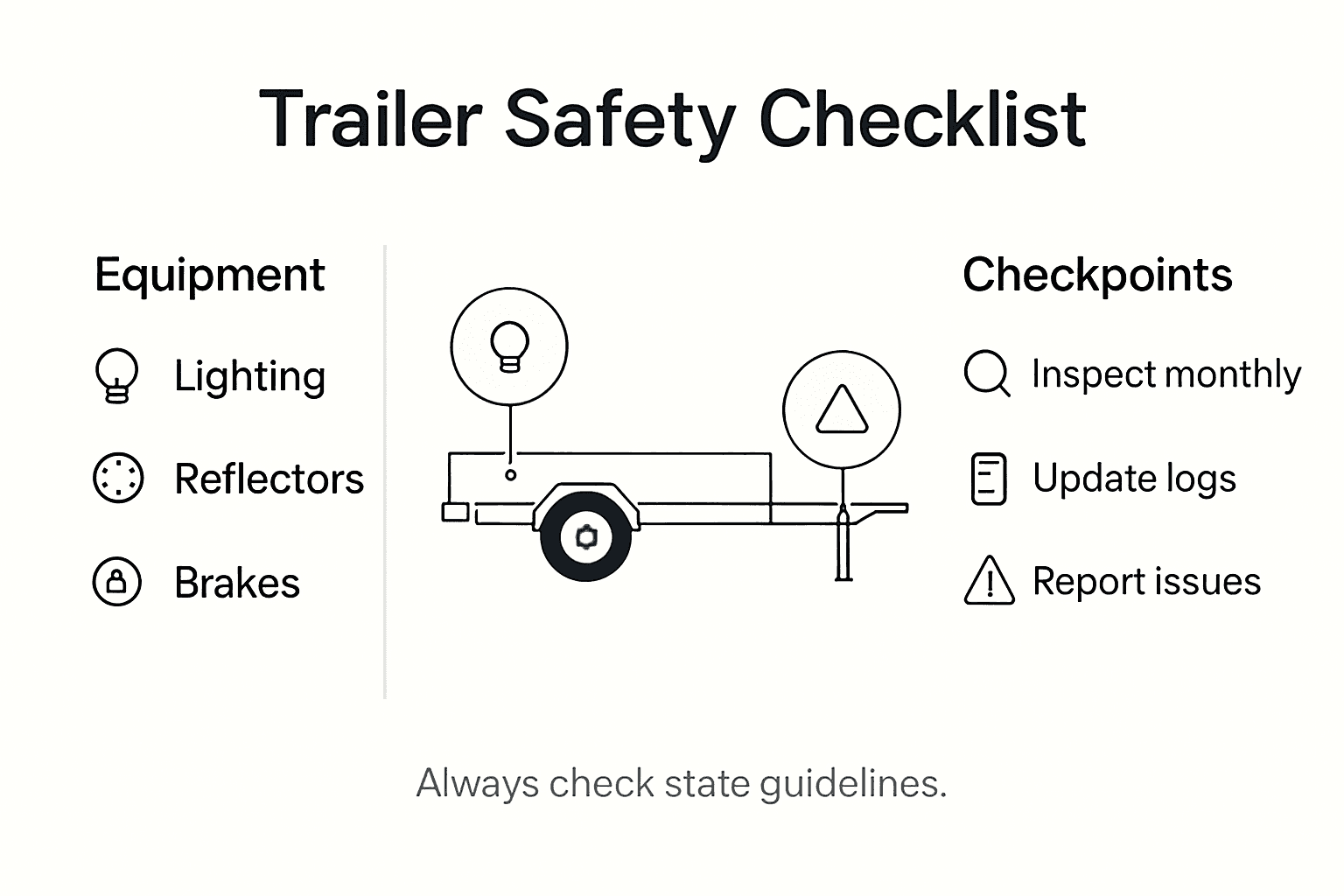
Critical safety equipment includes advanced lighting systems, reflective markings, lateral protective devices, and robust brake mechanisms. Trailers must be equipped with clearly visible identification markers, including registration numbers and business identifiers that enable quick identification during roadside inspections. State inspection protocols rigorously verify compliance with these equipment standards, ensuring that every commercial trailer meets both federal and Massachusetts-specific safety requirements.
The mandatory equipment list encompasses multiple critical components, including functional brake systems, appropriately sized mirrors, conspicuity tape, mud flaps, and emergency warning devices. Fleet managers must ensure that each trailer not only meets initial equipment requirements but maintains these safety standards throughout the vehicle’s operational lifecycle. Failure to comply can result in significant penalties, potential operational shutdowns, and compromised highway safety.
Pro Tip: Conduct monthly comprehensive equipment checks and maintain detailed maintenance logs to proactively address potential safety equipment issues before official inspections.
Understanding Weight Limits and Load Securement
Commercial trailer weight limits represent a critical aspect of highway safety and transportation regulations in Massachusetts. State transportation regulations establish comprehensive guidelines for cargo weight distribution and load management, ensuring that commercial vehicles operate within safe and legally prescribed parameters.
The weight limit framework encompasses multiple critical components, including gross vehicle weight rating (GVWR), axle weight restrictions, and specific load securement requirements. Different trailer classes have unique weight thresholds that dictate maximum permissible cargo loads, with penalties for non-compliance ranging from monetary fines to potential operational restrictions. Massachusetts Department of Transportation mandates precise standards for cargo restraint, requiring commercial trailer operators to utilize appropriate securing mechanisms such as chains, straps, and tie-downs that prevent load shifting during transportation.
Operators must carefully calculate total vehicle weight, including the trailer, cargo, and additional equipment, to remain within legal limits. This involves understanding complex weight distribution principles, ensuring that weight is balanced across axles and does not exceed statutory maximums. Sophisticated load planning becomes essential, with fleet managers needing to consider factors like cargo density, weight placement, and the specific structural capabilities of their commercial trailers.
Pro Tip: Invest in a certified truck scale for precise weight measurements and maintain detailed weight logs to proactively prevent potential compliance violations.
Consequences of Non-Compliance for Operators
Commercial trailer operators in Massachusetts face significant legal and financial risks when failing to meet regulatory standards. The state enforces strict consequences for non-compliance with commercial trucking regulations, designed to maintain safety and operational integrity across the transportation industry.
The Massachusetts Registry of Motor Vehicles implements comprehensive penalty structures that can dramatically impact a fleet’s operational capabilities. Penalties range from monetary fines to complete registration suspensions, with escalating consequences for repeated or severe violations. Specific infractions such as operating without proper inspections, exceeding weight limits, or failing to maintain required safety equipment can trigger immediate sanctions that interrupt business operations and potentially lead to long-term commercial restrictions.
Beyond immediate financial penalties, non-compliance can result in more severe professional consequences. Repeated violations may trigger comprehensive audits, increased regulatory scrutiny, potential loss of commercial operating licenses, and substantial increases in insurance premiums. Fleet managers must recognize that these consequences extend far beyond simple monetary fines, potentially threatening the entire operational sustainability of their transportation businesses.
The following table summarizes the main consequences of failing to comply with trailer regulations:
| Violation Type | Immediate Penalty | Long-Term Impact |
|---|---|---|
| Missed Inspection | Monetary fine | Registration suspension |
| Overweight Operation | Highway citation | Insurance premium increase |
| Missing Safety Equipment | Roadside downtime | Loss of operating license |
Pro Tip: Develop a comprehensive compliance tracking system that monitors inspection dates, equipment standards, and regulatory updates to proactively prevent potential violations.
Stay Ahead of Massachusetts Commercial Trailer Compliance with Trusted Equipment and Services
Navigating the complex Massachusetts commercial trailer requirements can be challenging. From weight classifications and safety equipment mandates to registration and inspections, staying compliant is critical to avoid hefty fines and operational disruptions. If you manage a fleet or operate commercial trailers, addressing these challenges means having reliable equipment and expert support at your side. Apple Truck & Trailer offers a wide selection of quality used trailers that meet regulatory standards and provide dependable performance for your business needs.
Get peace of mind by exploring our Truck and Trailer Rental – Apple Truck & Trailer options tailored to help you meet legal weight and safety requirements. With decades of experience serving Massachusetts and nearby states, our team ensures you obtain the right equipment backed by full-service maintenance and support. Learn about our Brands – Apple Truck & Trailer to find durable trailers built for compliance and efficiency. Visit Apple Truck & Trailer today and secure the solutions that keep your commercial fleet compliant and operational without interruptions.
Frequently Asked Questions
What are the key legal classifications for commercial trailers in Massachusetts?
Commercial trailers are classified into nine distinct weight classes based on their Gross Vehicle Weight Rating (GVWR), affecting licensing, permits, and operational standards.
What registration and inspection requirements must commercial trailer owners meet?
Commercial trailer owners must register their trailers with the Massachusetts Registry of Motor Vehicles, providing documentation and paying fees based on weight. Annual safety inspections are also mandatory to ensure compliance with safety and emissions standards.
What safety equipment is required for commercial trailers in Massachusetts?
Commercial trailers must have essential safety equipment, including functional lighting systems, reflective markings, proper brake mechanisms, and emergency warning devices, to comply with state safety regulations.
What are the consequences of failing to comply with commercial trailer regulations?
Operators face penalties such as monetary fines, registration suspension, increased insurance premiums, and potential loss of operating licenses for non-compliance with commercial trailer regulations.
Recommended
- Commercial Truck Basics: What Massachusetts Buyers Need – Apple Truck & Trailer
- Truck and Trailer Inspections—Why Compliance Matters – Apple Truck & Trailer
- Commercial Vehicle Storage Options for Massachusetts Fleets – Apple Truck & Trailer
- Storage Trailer Rental Massachusetts – Apple Truck & Trailer