
Many fleet operators in Massachusetts assume dry van trucks can transport refrigerated or temperature-sensitive goods, risking cargo damage and contract failures. That misconception highlights a critical knowledge gap. Dry van trucks actually move over 60% of U.S. freight by hauling non-perishable, dry cargo in enclosed trailers. Understanding their design, operational strengths, and limitations is essential for efficient fleet management and logistics success across the region.
Table of Contents
- Understanding Dry Van Trucks: Definition And Core Features
- Primary Uses And Suitable Freight For Dry Van Trucks
- Comparing Dry Van Trailers To Refrigerated And Flatbed Alternatives
- Common Misconceptions And Operational Myths About Dry Van Trucks
- Operational And Maintenance Considerations For Dry Van Fleets In Massachusetts
- Cost Factors And Leasing Vs Buying Dry Van Trucks For Fleet Management
- Integrating Dry Van Trucks Into Modern Fleet And Logistics Strategies
- Explore Buying And Leasing Options For Dry Van Trucks In Massachusetts
Key takeaways
| Point | Details |
|---|---|
| Dry vans transport dry, non-perishable freight only | They lack temperature control and are unsuitable for perishables or refrigerated goods. |
| They dominate U.S. freight volume | Dry vans move over 60% of all freight, offering weather and theft protection. |
| Leasing reduces upfront costs significantly | Leasing can cut initial capital expenses by 40-60% compared to buying. |
| Winter maintenance is critical in Massachusetts | Road salt and corrosion require proactive protective care for trailer longevity. |
| Customization boosts efficiency | Features like lift gates and telematics can improve loading speed by up to 15%. |
Understanding dry van trucks: definition and core features
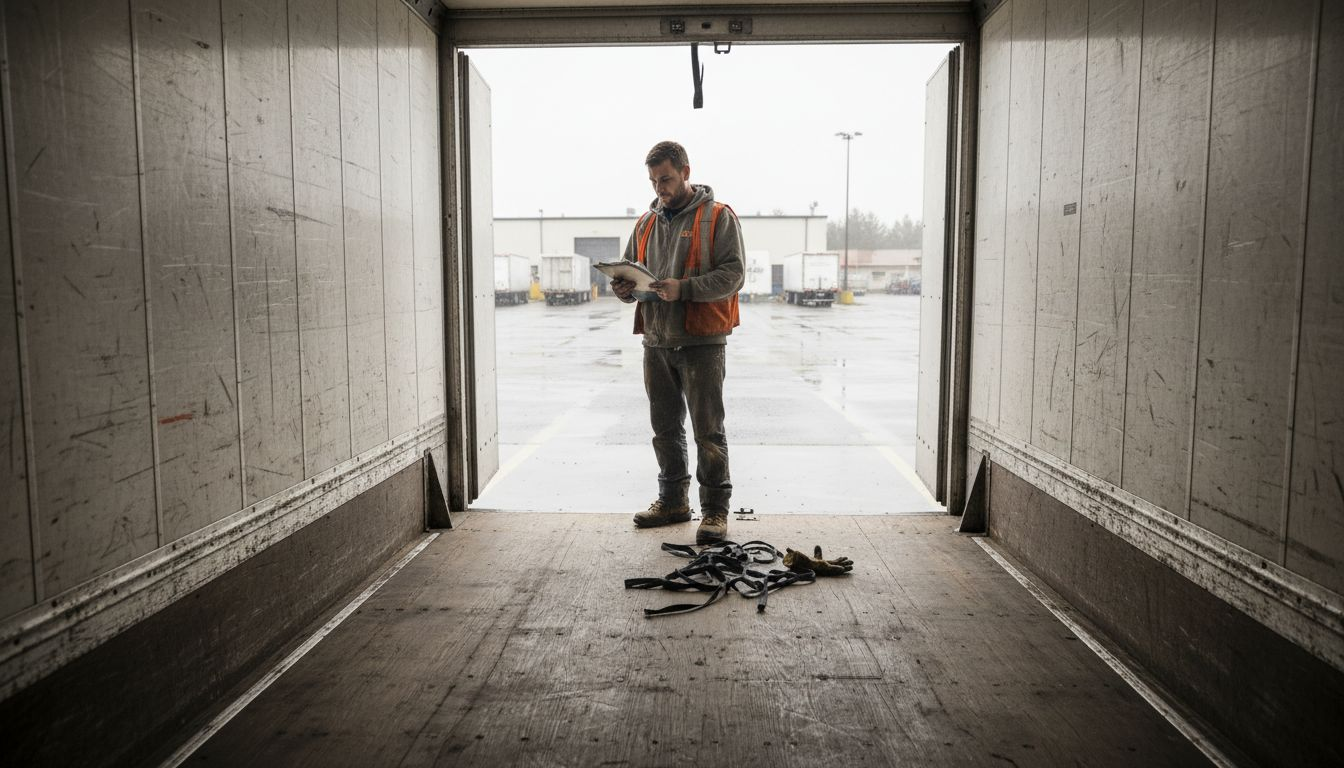
A dry van truck typically consists of a tractor hauling an enclosed trailer with rigid, weatherproof walls, primarily used to protect dry goods from weather and theft during transport. Standard dimensions measure approximately 53 feet long and 8.5 feet wide, providing ample cargo space for palletized freight. The solid enclosure differentiates dry vans from open flatbeds and refrigerated trailers, making them the workhorse of non-perishable freight.
Dry van trailers feature aluminum or steel walls, reinforced floors, and rear swing or roll-up doors for loading. These materials ensure durability under heavy use while keeping cargo secure from external elements. Unlike refrigerated units, dry vans have no cooling systems, limiting them strictly to dry goods.
Fleet operators value dry vans for their simplicity and versatility. They require less specialized maintenance than reefers and offer better theft protection than flatbeds. For dry van truck buying tips, understanding these core features helps you select the right trailer configuration for your Massachusetts routes.
Key features include:
- Enclosed weatherproof design protecting cargo from rain, snow, and wind
- Standard 53-foot length accommodating 26 pallets or equivalent cargo volume
- Rear door access with swing or roll-up configurations for flexible loading
- No temperature control, restricting use to dry, non-perishable freight
- Aluminum or steel construction balancing weight and durability
Primary uses and suitable freight for dry van trucks
Dry vans excel at transporting packaged consumer goods, electronics, furniture, textiles, and other non-perishable products. They handle the bulk of retail distribution, e-commerce deliveries, and industrial supply chains. Their enclosed design shields cargo from weather damage and deters theft, making them ideal for high-value dry goods.
In Massachusetts, dry vans serve diverse industries from Boston warehouses to Springfield manufacturing plants. They move everything from packaged foods and beverages (non-refrigerated) to automotive parts and building materials. The dry van freight suitability spans any product that does not require climate control.
You cannot use dry vans for perishable items like fresh produce, dairy, or frozen goods. Those require refrigerated trailers with active cooling. Dry vans also struggle with oversized machinery or irregularly shaped cargo better suited to flatbeds. Matching trailer type to freight characteristics prevents costly damage and operational delays.
Common dry van cargo includes:
- Packaged consumer products like canned goods, bottled beverages, and cleaning supplies
- Electronics and appliances requiring theft and weather protection
- Furniture, home goods, and retail merchandise for distribution centers
- Textiles, clothing, and footwear for fashion and apparel supply chains
- Non-perishable food items including dry grains, cereals, and snack foods
- Industrial components and automotive parts for manufacturing operations
Comparing dry van trailers to refrigerated and flatbed alternatives
Dry vans, refrigerated trailers (reefers), and flatbeds serve distinct freight needs with different cost and operational profiles. Dry vans lack temperature controls, making them unsuitable for perishables but far simpler to maintain. Reefers include refrigeration units to preserve fresh and frozen goods, adding mechanical complexity and fuel costs.
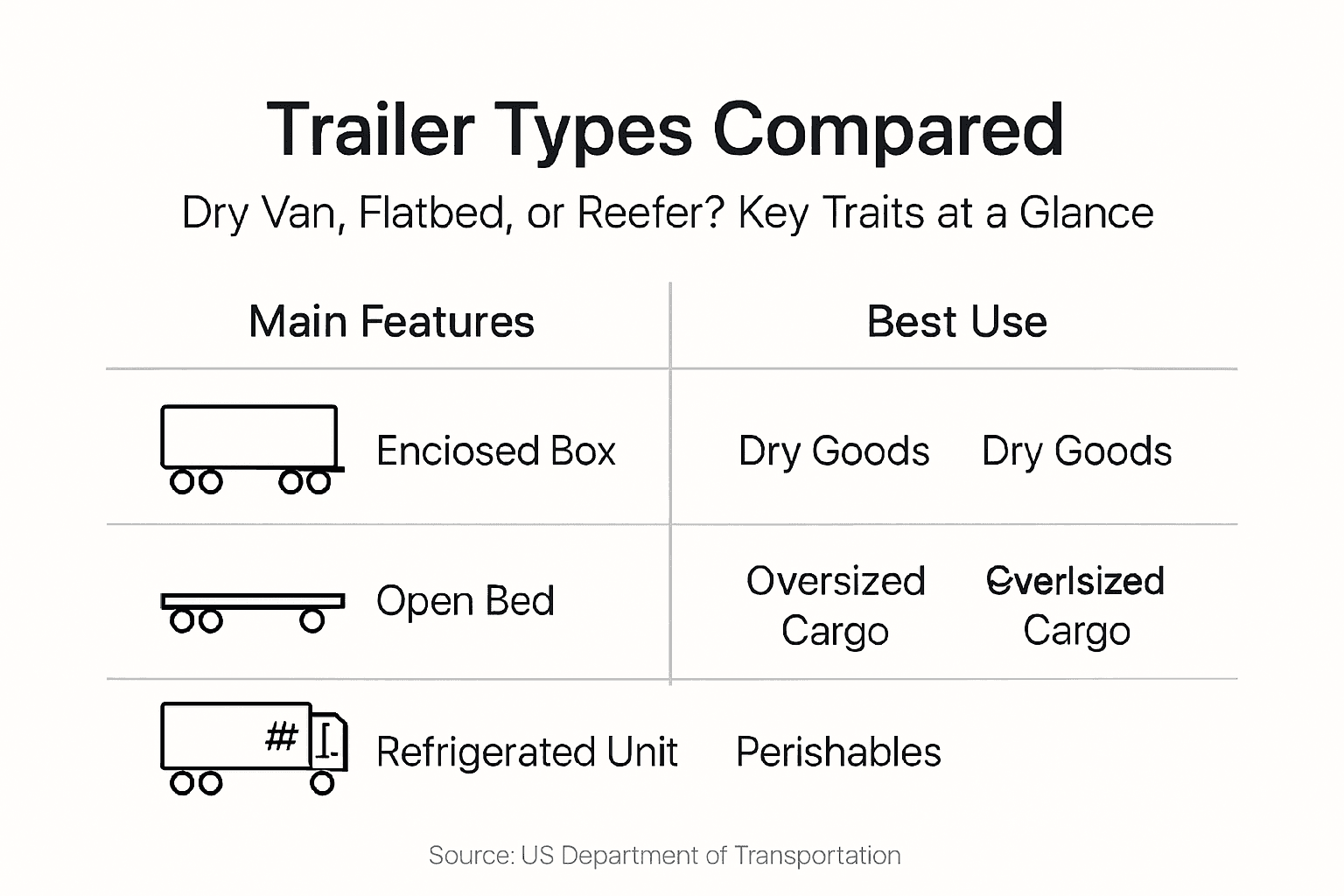
Flatbeds allow open loading for oversized cargo like steel beams or construction equipment. However, they expose freight to weather and significantly increase theft risk. Dry vans provide superior protection but cannot accommodate cargo exceeding standard interior dimensions. Your choice depends on freight type, budget, and route conditions.
Maintenance costs vary widely. Reefer units require specialized HVAC servicing and consume more fuel. Flatbeds need tie-down inspections and corrosion management on exposed metal. Dry vans demand routine floor and seal checks but generally cost less to operate. For refrigerated trailer rental or flatbed trailer leasing, understanding these trade-offs guides smarter fleet composition.
| Trailer Type | Temperature Control | Cargo Protection | Theft Risk | Maintenance Complexity | Best Use Case |
|---|---|---|---|---|---|
| Dry Van | None | Enclosed, weatherproof | Low | Moderate | Non-perishable dry goods |
| Refrigerated (Reefer) | Active cooling/heating | Enclosed, climate-controlled | Low | High | Perishable and frozen goods |
| Flatbed | None | Open to weather | High | Moderate | Oversized or irregularly shaped cargo |
Pro Tip: Match trailer type precisely to freight needs. Using a reefer for dry goods wastes fuel, while attempting perishables in a dry van risks spoilage and contract penalties.
Common misconceptions and operational myths about dry van trucks
Many operators mistakenly believe dry vans can handle refrigerated or temperature-sensitive cargo. In reality, dry vans have zero climate control capability. Attempting to transport perishables risks spoilage, health violations, and financial losses. Always reserve reefers for any freight requiring cooling or heating.
Another myth assumes dry van security resembles flatbed protection. The enclosed design dramatically reduces theft risk compared to open trailers. Cargo remains hidden and locked behind solid walls, deterring opportunistic thieves at rest stops and distribution yards. This makes dry vans the preferred choice for high-value electronics and consumer goods.
Some believe maintenance requirements stay uniform across climates. Massachusetts winters impose harsh corrosion from road salt and freezing cycles. Dry van fleets here need more frequent undercarriage inspections and protective coatings than those in warmer states. Neglecting regional factors shortens trailer life and raises repair bills.
Common misconceptions corrected:
- Dry vans cannot carry perishables or refrigerated goods due to lack of temperature control systems.
- Enclosed dry vans offer far superior theft protection compared to open flatbed trailers.
- Massachusetts winters require specialized corrosion management and floor protection not needed in milder climates.
- Dry van weight limits and dimensions restrict oversized cargo better suited to flatbeds or specialized trailers.
- Proper seal and floor maintenance prevents weather infiltration and cargo damage during transport.
Pro Tip: Educate your fleet team on these distinctions during onboarding. Misunderstanding trailer capabilities leads to damaged cargo, regulatory fines, and customer dissatisfaction.
Operational and maintenance considerations for dry van fleets in Massachusetts
Massachusetts winters accelerate corrosion on dry van trailers due to road salt and freeze-thaw cycles. Proactive care includes frequent undercarriage washing, rust-inhibiting coatings, and prompt repair of paint chips exposing bare metal. Neglecting these steps shortens trailer lifespan and increases replacement costs.
Routine inspections should focus on floorboards, door seals, and hinges. Water intrusion through damaged seals ruins cargo and weakens trailer structure. Flooring deteriorates faster under heavy pallet loads and moisture exposure, requiring periodic replacement. Catching issues early prevents costly emergency repairs and load rejections.
Lightweight trailer materials improve fuel efficiency without sacrificing durability. Aluminum sidewalls reduce overall weight, allowing heavier cargo loads within legal limits. This translates to fewer trips and lower fuel expenses across your Massachusetts routes. Proper storage during off-seasons also extends trailer life by limiting weather exposure.
Best practices for Massachusetts dry van maintenance:
- Wash undercarriage and wheel wells weekly during winter to remove corrosive road salt buildup
- Apply rust-inhibiting coatings to exposed metal surfaces before each winter season begins
- Inspect door seals and gaskets monthly, replacing worn components to prevent water infiltration
- Check floorboards for cracks, rot, or soft spots every quarter, especially after heavy use
- Store trailers under cover when possible to limit exposure to snow, ice, and UV damage
- Lubricate hinges, locks, and door mechanisms regularly to prevent freezing and corrosion
For comprehensive winter fleet maintenance in Massachusetts, partnering with local service providers ensures your trailers stay road-ready year-round. Utilizing fleet storage solutions for Massachusetts fleets during low-demand periods protects assets from unnecessary weather damage. Remember, maintenance extends appliance and equipment life significantly when performed consistently.
Cost factors and leasing vs buying dry van trucks for fleet management
Leasing dry van trucks can reduce upfront capital expenses by 40-60%, allowing fleet operators to allocate more budget to maintenance and logistics enhancements. This flexibility appeals to growing fleets that need to scale quickly without tying up cash in depreciating assets. Lease terms often include maintenance packages, simplifying budgeting and reducing surprise repair costs.
Buying grants full asset ownership and potential long-term savings once the purchase price is recovered. You avoid monthly lease payments and gain equity that can be leveraged or sold. However, buying requires substantial upfront investment and exposes you to depreciation risk, especially if trailer technology or regulations change rapidly.
Maintenance and fuel efficiency impact total cost of ownership regardless of acquisition method. Well-maintained trailers consume less fuel through reduced drag and weight. Older, poorly maintained units cost more to operate and eventually require replacement. Factor these ongoing expenses into your financial model.
| Factor | Leasing | Buying |
|---|---|---|
| Upfront Cost | 40-60% lower initial capital required | Full purchase price paid upfront or financed |
| Monthly Expense | Fixed lease payments, often including maintenance | Loan payments if financed, otherwise none |
| Asset Ownership | Lessor retains ownership, you return trailer at term end | Full ownership, asset appears on balance sheet |
| Flexibility | Easier to upgrade or scale fleet size with new leases | Requires selling or trading in owned units |
| Tax Treatment | Lease payments may be fully deductible as operating expense | Depreciation deductions spread over asset life |
| Maintenance Responsibility | Often included in lease agreement terms | Full responsibility and cost borne by owner |
Decision factors to weigh:
- Cash flow position: Leasing preserves capital for other operational needs and growth initiatives.
- Fleet scale: Smaller fleets may prefer buying for long-term cost savings, while large fleets value leasing flexibility.
- Tax strategy: Consult your accountant on whether lease deductions or depreciation better fits your situation.
- Technology changes: Leasing lets you upgrade to newer, more efficient trailers without selling old units.
- Regional regulations: Massachusetts emissions and safety rules may affect older trailer resale value.
For tailored advice, explore truck leasing benefits and buying commercial trucks options suited to your fleet size and financial goals.
Integrating dry van trucks into modern fleet and logistics strategies
Customization options like lift gates and advanced shelving can boost loading and unloading speed by up to 15%, reducing dwell time at docks and improving daily route capacity. Lift gates eliminate the need for loading docks, enabling deliveries to smaller retail locations and residential sites. Interior shelving organizes smaller packages, preventing damage and speeding sorting.
Telematics systems provide real-time cargo tracking, route optimization, and driver behavior monitoring. You gain visibility into trailer location, fuel consumption, and maintenance alerts through dashboard analytics. This data helps identify bottlenecks, reduce empty miles, and improve on-time delivery rates across your Massachusetts operations.
Aligning fleet composition with freight type and route patterns maximizes return on investment. If you primarily haul electronics and consumer goods on short regional routes, a dry van fleet makes perfect sense. Adding a few reefers or flatbeds for occasional specialized freight rounds out capabilities without overinvesting in underutilized equipment.
Popular customization and technology features:
- Hydraulic lift gates for dock-free loading and deliveries to locations without ramps
- Interior shelving and partition systems for organizing mixed cargo and preventing damage
- GPS telematics for real-time location tracking and route optimization
- Tire pressure monitoring systems to reduce blowouts and improve fuel economy
- LED interior lighting for safer and faster loading in low-light conditions
- Advanced locking systems and security seals to deter theft and ensure cargo integrity
Pro Tip: Regularly review fleet telematics data to identify bottlenecks, high-cost routes, and underperforming trailers. Small adjustments based on real data often yield significant fuel and time savings.
For sourcing customized units, check truck and trailer sales in Massachusetts to find pre-configured or build-to-spec options that fit your logistics needs.
Explore buying and leasing options for dry van trucks in Massachusetts
Now that you understand dry van capabilities and best practices, acquiring the right trailers becomes straightforward. Apple Truck & Trailer offers dry van trucks for sale and leasing across Massachusetts, with expert guidance matching your cargo and budget needs. Whether you need immediate capacity or flexible lease terms, local expertise ensures you get reliable equipment fast.
Flexible leasing programs reduce upfront investment while buying a used commercial truck grants asset control and potential long-term savings. Explore inventory ranging from well-maintained used trailers to nearly new units with full service histories. Truck leasing options in Massachusetts adapt to seasonal demand fluctuations, letting you scale your fleet without overcommitting capital. Contact Apple Truck & Trailer today to optimize your fleet with dependable dry van trucks tailored for Massachusetts logistics.
FAQ
Are dry van trucks suitable for all types of freight?
No, dry vans only transport non-perishable, dry goods like packaged products, electronics, and furniture. They lack temperature control, making them unsuitable for perishables, frozen items, or any cargo requiring climate management. Use refrigerated trailers for temperature-sensitive freight.
What maintenance should I prioritize during Massachusetts winters?
Focus on undercarriage washing to remove road salt, applying rust-inhibiting coatings, and inspecting door seals for water infiltration. Check floorboards regularly for damage caused by freeze-thaw cycles and moisture. Proactive corrosion management extends trailer life significantly in harsh winter conditions.
Is leasing dry van trucks more cost-effective than buying?
Leasing reduces upfront capital expenses by 40-60%, preserving cash flow for operations and growth. Buying offers long-term savings and asset ownership but requires higher initial investment. Your best choice depends on fleet size, tax strategy, and how quickly you need to scale capacity.
Can I customize a dry van trailer to fit specific cargo needs?
Yes, you can add lift gates, interior shelving, advanced locking systems, and telematics to improve efficiency and security. Customization options boost loading speed by up to 15% and enable deliveries to locations without loading docks. Work with your dealer to spec trailers that match your operational requirements.
How do dry vans reduce theft risk compared to flatbeds?
Dry vans feature fully enclosed, lockable designs that hide cargo from view and restrict access to authorized personnel only. Flatbeds leave freight exposed and vulnerable at rest stops and unsecured lots. For high-value goods like electronics, the enclosed protection of dry vans dramatically lowers theft incidents.
Recommended
- 7 Key Tips for Fleet Managers Buying Dry Van for Sale – Apple Truck & Trailer
- Dry Van Storage Trailer Rental: Buyer’s Guide for the Best Options in 2024 – Apple Truck & Trailer
- 2012 HYUNDAI 53 FT DRY-VAN – Apple Truck & Trailer
- Local Delivery Truck Options for New England Businesses – Apple Truck & Trailer