
TL;DR:
- Most fleet operators in Massachusetts can accurately state their monthly lease payments but often overlook the true costs incurred beyond that figure.
- Understanding the full operational expenses, including fuel, insurance, maintenance, tolls, and fees, is essential for budgeting and maximizing profitability.
Most fleet operators in Massachusetts can tell you their monthly lease payment to the dollar. Far fewer can tell you what that truck actually costs them each month once fuel, insurance, maintenance, tolls, and regulatory fees are factored in. That gap between lease payment and true operational cost is where profitability quietly erodes. This article breaks down what Massachusetts fleets are realistically paying per truck, what expenses sit beyond the quoted payment, and how to build a budget that reflects reality rather than a sales sheet.
Table of Contents
- Lease payments: What Massachusetts fleets actually pay
- Total cost to lease: Beyond the monthly payment
- Cost drivers and hidden fees: What impacts your truck lease
- How to budget and optimize leasing for your Massachusetts fleet
- Our take: What fleet operators overlook about truck leasing
- Leasing solutions for Massachusetts fleets: Connect with experts
- Frequently asked questions
Key Takeaways
| Point | Details |
|---|---|
| Lease payments vary | Expect to pay $1,800 to $3,200 per month depending on truck type, age, and length of lease. |
| Total costs are much higher | Monthly operating expenses including insurance and maintenance can reach $11,500 to $13,100. |
| Hidden fees matter | Wear-and-tear fees, mileage overage, and early termination charges can impact your bottom line. |
| Budget smartly | Separate base lease payments from total cost drivers to avoid underestimating your fleet costs. |
| Massachusetts factors | Local market conditions and regulations directly affect lease payments and operating expenses. |
Lease payments: What Massachusetts fleets actually pay
Let’s start with the numbers. Benchmark lease payments for commercial semi trucks in 2026 fall between $1,800 and $3,200 per month, with significant variation driven by truck age, make, lease term length, and the lessee’s credit profile. That is a wide range, and where your fleet lands within it depends on choices you make before you sign anything.
New trucks from top manufacturers like Kenworth, Peterbilt, and Freightliner typically sit at the higher end of that range. A brand-new Peterbilt 389 or Kenworth W900 on a 48-month full-service lease can push past $3,000 per month. By contrast, leasing used trucks built between 2020 and 2023 often brings that monthly figure down to the $1,800 to $2,500 range, a meaningful difference when you multiply it across a fleet of five or ten units.
Payment ranges by truck type and age
| Truck type | New (2024-2026) | Used (2020-2023) | Typical lease term |
|---|---|---|---|
| Class 8 semi (standard) | $2,800–$3,200/mo | $1,800–$2,500/mo | 36–60 months |
| Day cab tractor | $2,400–$2,900/mo | $1,600–$2,200/mo | 24–48 months |
| Box truck (Class 6-7) | $1,200–$1,800/mo | $800–$1,400/mo | 24–36 months |
| Sleeper cab semi | $2,900–$3,400/mo | $2,000–$2,700/mo | 48–60 months |
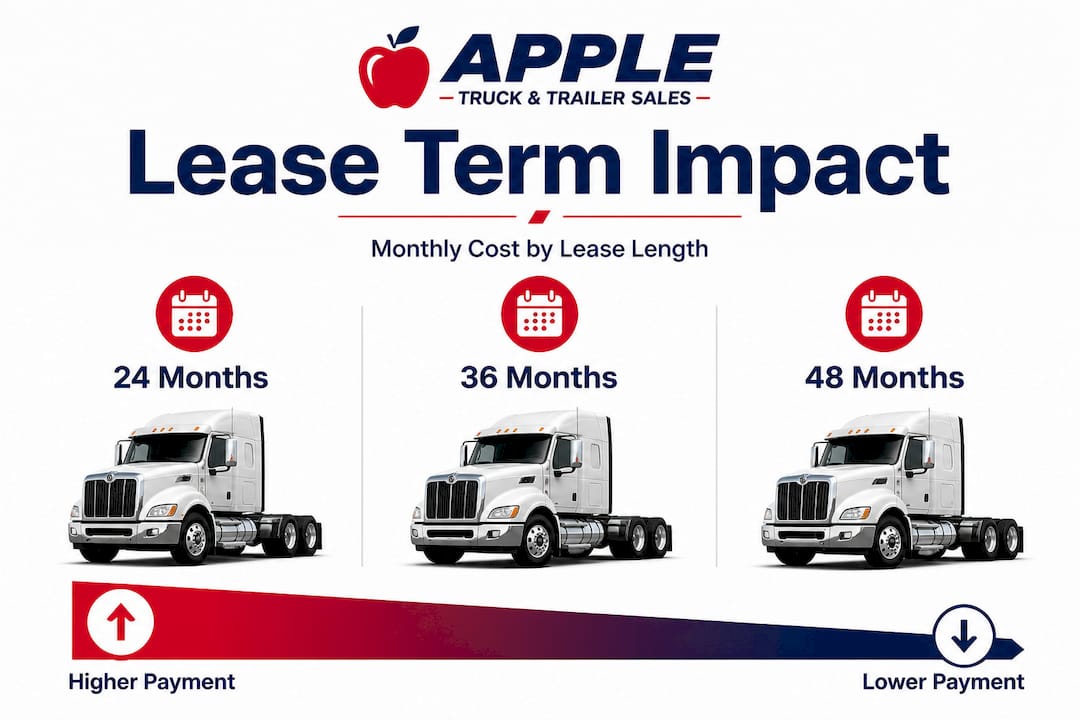
Lease term matters more than most operators expect. Shorter terms (24 to 36 months) tend to carry higher monthly payments but give you flexibility to upgrade equipment and avoid costly end-of-life repair exposure. Longer terms (48 to 60 months) lower the monthly number but lock you into a truck through its higher-mileage years.
The Massachusetts market tends to track national averages closely, but local factors do push costs slightly higher in certain cases. Higher operating costs in the Northeast, stricter emissions compliance requirements, and the density of metro Boston routes all influence what dealers price into leases here. Fleets operating in western Massachusetts or on interstate corridors to Rhode Island and Connecticut may find slightly more competitive rates due to lower local regulatory complexity.
Pro Tip: If your fleet uses trucks primarily for regional routes under 300 miles, a used Class 8 day cab on a 36-month lease will almost always deliver better cost per mile than a new sleeper on a longer term.
Total cost to lease: Beyond the monthly payment
Understanding lease payments is useful, but it is the full monthly budget that drives profitability. A $2,200 monthly lease payment sounds manageable until you stack it next to everything else that truck demands from your operating account.
Industry budgeting data puts total monthly operating costs for a leased truck at roughly $11,500 to $13,100 per month for a typical owner-operator scenario. Fleet operators running multiple units experience some economies of scale on insurance and maintenance, but the core cost categories remain consistent.
Here is how a realistic monthly budget breaks down for a leased Class 8 semi running routes in Massachusetts:
- Lease payment: $1,800–$3,200
- Fuel: $3,500–$4,500 (based on regional diesel prices and 10,000–12,000 miles/month)
- Insurance: $1,200–$1,800 (Massachusetts commercial truck insurance runs above national average)
- Driver wages and benefits: $3,000–$4,500 (varies significantly by arrangement)
- Maintenance and tires: $600–$1,000
- Tolls and permits: $200–$500 (Massachusetts Turnpike and I-93 corridors add up)
- Parking and storage: $150–$400
- Compliance and regulatory fees: $100–$300
“Fleet operators who budget only for the lease payment are essentially flying blind. The payment is often the smallest variable in the equation once fuel and labor are included.”
Massachusetts-specific costs deserve particular attention. The state’s IFTA (International Fuel Tax Agreement) reporting requirements, RMV commercial registration fees, and MassDOT permitting for oversize loads all add line items that operators in lower-regulation states simply do not encounter at the same frequency. If your routes cross state lines into New Hampshire or Connecticut regularly, you need to account for multi-state weight-distance tax filings as well.
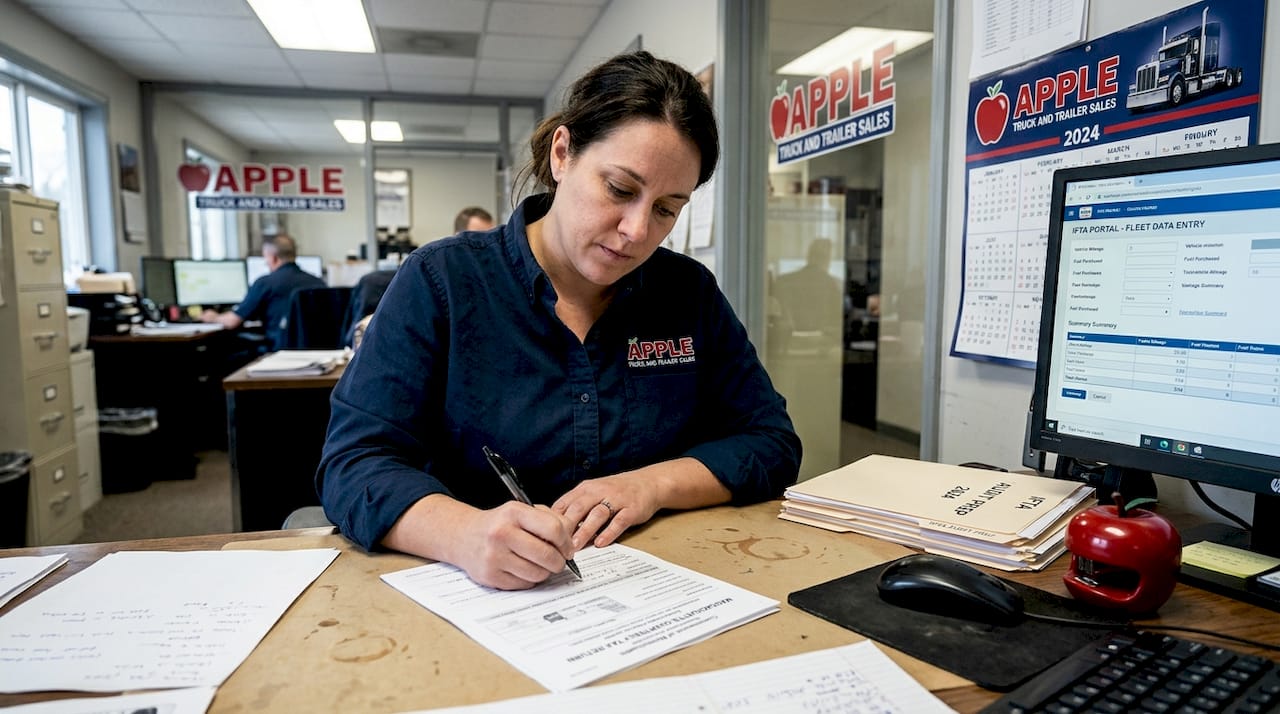
The tractor trailer lease costs for a full combination rig add another layer of expense. A 53-foot trailer lease runs an additional $400 to $800 per month depending on trailer age and type, which many new fleet operators forget to factor in when getting their initial lease quotes.
Pro Tip: Before signing any lease, ask your dealer or leasing company for a total cost of ownership estimate, not just the monthly payment. A credible provider will be able to give you a realistic operating cost model. If they cannot, that tells you something important. Read through the leasing fees and limitations before committing.
For fleets weighing buy vs. lease decisions, the leasing semi trucks guide offers a structured framework that goes beyond the simple monthly payment comparison.
Cost drivers and hidden fees: What impacts your truck lease
Once you recognize the key components of total cost, it is crucial to pay attention to more subtle cost drivers and contract clauses. These are the items that do not appear on the one-page summary sheet but show up on your final bill.
Monthly affordability can be misleading when you ignore cost drivers like insurance, fuel, maintenance reserves, escrow accounts, and end-of-term fees. Lease contracts for commercial trucks are significantly more complex than auto leases, and the fine print carries real financial consequences.
Here are the most common hidden cost areas Massachusetts fleet operators encounter:
- Mileage overage charges: Most commercial truck leases set a mileage cap of 100,000 to 120,000 miles per year. Exceeding that cap can trigger overage fees of $0.05 to $0.15 per mile. On a busy Massachusetts route running 130,000 miles annually, that overage adds $500 to $1,500 to your annual cost per truck.
- End-of-term wear and tear fees: Unlike personal auto leases, commercial truck leases often define “excessive wear” in detailed technical language. Worn fifth wheel components, frame damage from heavy loading, and even cosmetic body damage can generate charges of $1,500 to $5,000 at lease return.
- Early termination penalties: Exiting a lease 12 months early can cost anywhere from two to six remaining monthly payments, depending on the contract structure. This is especially punishing on longer-term leases.
- Maintenance escrow accounts: Some full-service leases require you to pay into a maintenance escrow each month. If you do not use the full escrow balance, many contracts do not refund the difference. You are essentially pre-paying for repairs that may not happen.
- Insurance certificate requirements: Leasing companies often specify minimum coverage levels that exceed Massachusetts state minimums for commercial vehicles. That gap between state-required coverage and lease-required coverage can add $200 to $500 per month to your insurance bill.
- Seasonal cost spikes: Massachusetts winters create real operational costs. De-icing, tire chains, extended idle time for warmup, and increased fuel consumption in cold weather can push monthly operating costs 8 to 15 percent higher from November through March.
Pro Tip: Request a complete fee schedule from any leasing company before you finalize terms. This should include mileage overage rates, early termination formulas, wear and tear definitions, and escrow policies. Review the benefits for fleet operators to understand what a well-structured lease should include. Operators running box trucks should also review lease box truck tips for vehicle-specific guidance.
Understanding how to structure leases around these drivers is exactly what separates profitable fleet operators from those who constantly feel like the numbers do not add up. Operators managing larger Class 8 units can benefit from reviewing big rig leasing strategies for more advanced structuring approaches.
How to budget and optimize leasing for your Massachusetts fleet
After identifying hidden fees, here is how to take control and build a cost-effective leasing plan. The goal is to separate the base lease payment from total monthly cost drivers so your budget reflects what you will actually spend.
Separating base lease payment from total monthly cost drivers like insurance, fuel, maintenance reserves, and end-of-term fees is the foundation of accurate truck leasing budgeting. Here is a practical step-by-step approach:
Start with your route data. Calculate your average monthly miles per truck. Be honest. Use the last 12 months of actual data, not your best-case estimate. This determines your mileage cap needs and directly impacts lease payment negotiation.
Build a full cost model before shopping. Use the cost categories outlined above to create a monthly budget template. Fill in what you know, estimate conservatively for what you do not. This becomes your negotiating baseline.
Compare used vs. new with a 36-month horizon. Over three years, the savings from box truck leasing costs or Class 8 used options versus new can fund an additional truck entirely. Run the numbers before defaulting to new.
Negotiate mileage caps upfront. If your routes consistently run 125,000 miles per year, negotiate a lease cap that matches that number rather than accepting a standard 100,000-mile cap and paying overages every year.
Ask about fleet pricing. If you are leasing three or more units, leasing companies will often reduce per-unit payment by $100 to $300 per month. This is rarely advertised but almost always available.
Explore short-term options for seasonal volume. Massachusetts fleets that handle volume spikes in Q4 or during construction season can use short-term rental options to cover peak demand without inflating their permanent fleet costs.
Use telematics to protect against wear and mileage fees. Fleet management software tracks real-time mileage, driver behavior, and maintenance triggers. This data lets you intervene before you hit overage thresholds and documents truck condition throughout the lease term.
Pro Tip: Keep detailed maintenance logs for every leased truck. When it comes time for end-of-lease inspection, documented service history is your strongest defense against inflated wear and tear charges.
Our take: What fleet operators overlook about truck leasing
Here is the uncomfortable reality we see repeatedly: fleet operators spend hours comparing monthly lease payments across dealers and almost no time comparing total monthly operating costs. That focus on the payment figure is understandable because it is the most visible number, but it leads to consistently poor decisions.
The operators who build the most cost-effective fleets in Massachusetts are not the ones who found the lowest lease payment. They are the ones who mapped out the full cost picture and then worked backward to identify which lease structure, truck age, and term length best fit their specific operational reality.
Massachusetts routes carry specific financial weight that national leasing calculators simply do not capture. Dense urban delivery in Boston adds fuel idle time and increases wear on brake systems. Winter operations across the state raise fuel costs and create maintenance demands that rural states never deal with. The Turnpike toll burden on a fleet making 20 round trips per month between Springfield and Boston is not a rounding error. It is a real line item.
The operators who thrive here treat their leases as financial instruments, not just equipment contracts. They read the mileage clauses. They understand their escrow terms. They benchmark against fleet leasing insights from experienced regional providers rather than relying solely on national rate guides.
One more thing worth saying plainly: the right lease for your fleet is not always the cheapest lease. A slightly higher monthly payment for a full-service lease that covers maintenance and tires can be a significantly better financial outcome than a lower payment that leaves all repair exposure on your balance sheet. Run the full numbers. Every time.
Leasing solutions for Massachusetts fleets: Connect with experts
Applying the framework in this article becomes much more practical when you have a local partner who knows Massachusetts operations, regulations, and equipment inventory.
Apple Truck and Trailer has been serving commercial fleet operators across Massachusetts, Rhode Island, Connecticut, and New Hampshire since 1986. Whether you are exploring truck leasing Massachusetts options for your existing fleet or evaluating cost-effective used truck options to reduce your monthly outlay, our team can walk you through real numbers, not just brochure figures. We offer personalized lease structures, transparent fee breakdowns, and inventory specifically suited to northeastern routes and operational demands. Reach out for a no-obligation quote and see what your fleet’s true monthly cost could look like.
Frequently asked questions
What is the monthly lease payment range for commercial trucks in Massachusetts?
Most commercial semi truck leases range from $1,800 to $3,200 per month depending on truck type, age, and lease terms. Used models and shorter terms typically sit at the lower end of that range.
What hidden fees should fleet operators expect with truck leasing?
End-of-term fees, mileage overage, and early termination charges are the most common surprises. Maintenance escrow requirements and above-minimum insurance mandates are also frequently overlooked before signing.
How much should I budget monthly for a leased truck, including operating expenses?
Industry estimates put the total monthly cost at $11,500 to $13,100 per month when you include fuel, insurance, driver costs, maintenance, and regulatory fees alongside the base lease payment.
Are used trucks significantly cheaper to lease than new ones?
Yes. Used semi truck leases for 2020 to 2023 models typically run $1,800 to $2,500 per month, compared to $2,800 to $3,200 for new models, a savings of $800 to $1,600 per unit each month.
Recommended
- Leasing a big rig: Smart strategies for fleet operators – Apple Truck & Trailer
- Truck Leasing Massachusetts – Apple Truck & Trailer
- Freightliner leasing Massachusetts fleets 2026 guide – Apple Truck & Trailer
- Powerful Massachusetts Semi Truck Rentals: How Much Does it Cost to Rent a Semi Truck for a Week? – Apple Truck & Trailer