
Most fleet operators believe they can handle truck repairs as problems arise, but this reactive approach costs 3 to 5 times more than planned maintenance and keeps vehicles off the road far longer than necessary. Regular truck service transforms fleet operations by preventing costly breakdowns, improving fuel efficiency, and maximizing vehicle uptime. This guide reveals how preventive and predictive maintenance strategies backed by data can slash your operational costs while keeping your Massachusetts fleet running smoothly and profitably.
Table of Contents
- Key takeaways
- Understanding the true cost of truck downtime and emergency repairs
- Preventive vs predictive maintenance: choosing the optimal approach for your fleet
- Leveraging condition-based services and oil analysis for extended service intervals
- Maximizing uptime in Massachusetts fleets with local compliance and mobile repair services
- Trusted truck maintenance solutions for Massachusetts fleets
- Frequently asked questions
Key Takeaways
| Point | Details |
|---|---|
| Regular service benefits | Regular truck service reduces emergency breakdowns and downtime while improving fuel efficiency and fleet uptime. |
| Preventive vs predictive | Preventive maintenance is scheduled care while predictive maintenance uses real time data to anticipate needs and prevent failures. |
| Oil analysis benefits | Condition based oil analysis can greatly extend service intervals and cut maintenance expenses. |
| Downtime cost reality | Emergency repairs cost three to five times more than planned maintenance and can trigger towing and missed deliveries. |
| DOT rules and mobile repairs | Complying with DOT regulations and using mobile repair options minimizes disruptions and keeps fleets road ready. |
Understanding the true cost of truck downtime and emergency repairs
Every hour a truck sits idle waiting for emergency repairs costs your fleet money in multiple ways. Direct repair expenses multiply when you need urgent parts and after-hours labor, while indirect costs like missed deliveries, customer dissatisfaction, and load rescheduling compound the financial damage. Emergency repairs disrupt fleet schedules and multiply expenses in ways that devastate quarterly budgets.
Annual maintenance for heavy trucks averages $15,000 to $25,000 when properly planned, but prevents costly breakdowns that can easily exceed $50,000 per incident when you factor in towing, expedited parts, overtime labor, and lost revenue. The cost per mile for regular service is roughly $0.20 to $0.30, saving substantial dollars in the long run compared to reactive approaches. Planned maintenance delivers predictable expenses you can budget for, while emergency repairs create financial chaos.
Reactive maintenance leads to 75 to 80% uptime, whereas planned maintenance reaches 98%, giving you significantly more productive hours from each vehicle in your fleet. Consider these financial realities:
- Emergency roadside repairs cost 3 to 5 times more than the same work performed at your maintenance facility
- Towing a disabled Class 8 truck can run $500 to $2,000 depending on distance and circumstances
- Lost revenue from a single day of downtime averages $600 to $1,200 per truck for typical regional operations
- Customer penalties for missed delivery windows can reach thousands of dollars per incident
Fuel efficiency suffers without regular care, adding hidden operational costs that accumulate over thousands of miles. A truck with neglected wheel alignment can lose up to 17% fuel efficiency, translating to thousands of wasted fuel dollars annually per vehicle. Dirty air filters, worn fuel injectors, and improper tire pressure create similar inefficiencies that regular service prevents. When you calculate the true cost of neglected maintenance across an entire fleet over a full year, the numbers become staggering and impossible to ignore.
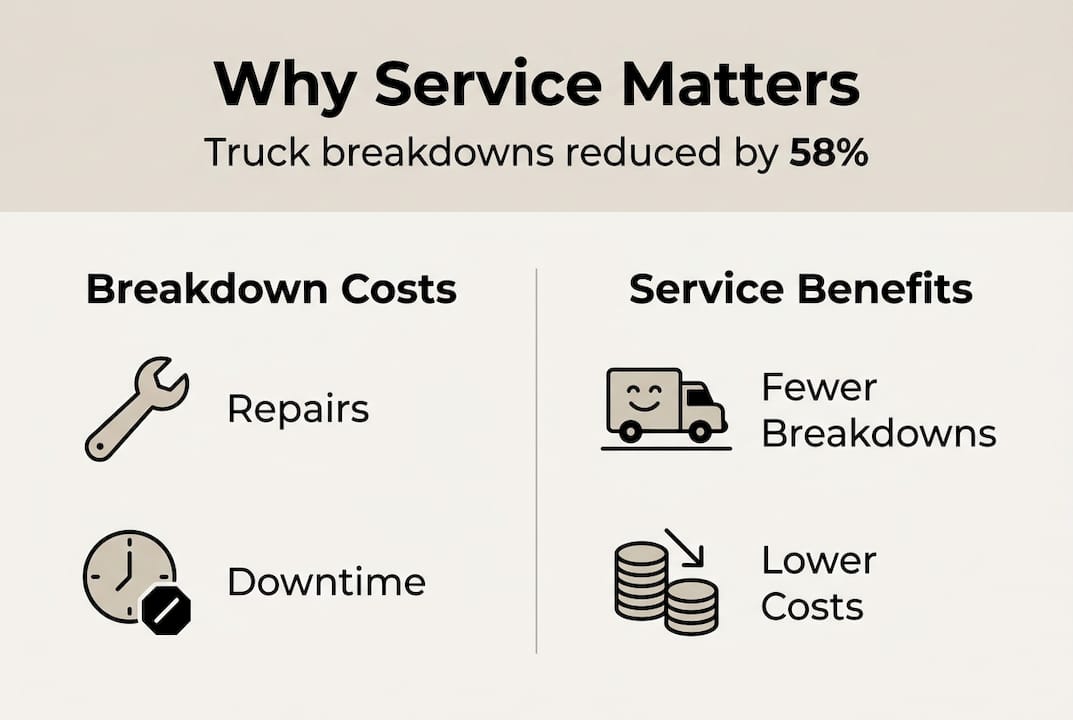
Cost Reality: Emergency repairs cost 3 to 5 times more than planned maintenance, with reactive costs surpassing preventive by 12 to 18%.
Preventive vs predictive maintenance: choosing the optimal approach for your fleet
Preventive maintenance is scheduled care performed at regular intervals to reduce failures, while predictive maintenance leverages real-time data from sensors and diagnostics to anticipate needs before problems develop. Both approaches deliver superior results compared to reactive repairs, but they serve different fleet profiles and operational priorities. Understanding which strategy fits your operation determines your maintenance ROI and fleet reliability.
Predictive maintenance achieves significantly lower costs and fewer breakdowns, ideal for large, high-value fleets with the resources to invest in telematics and diagnostic systems. The comparison table below shows how these approaches stack up across key performance metrics:
| Factor | Preventive Maintenance | Predictive Maintenance |
|---|---|---|
| Annual cost per truck | $15,000 to $18,000 | $10,000 to $12,000 |
| Breakdown reduction | 40 to 50% vs reactive | 62% vs reactive |
| Return on investment | 3:1 to 5:1 | 10:1 |
| Typical uptime | 95 to 97% | 98 to 99% |
| Best for | Small to mid-size fleets | Large fleets with high-value assets |
| Implementation complexity | Low to moderate | Moderate to high |
Predictive maintenance lowers costs 34% compared to preventive, reducing breakdowns by 62% and achieving a 10:1 ROI for fleets that fully implement the technology. These savings come from replacing parts based on actual condition rather than arbitrary mileage intervals, eliminating unnecessary maintenance while catching real problems before they cause failures. The data-driven approach optimizes every maintenance dollar.
Fleet managers should consider combining a preventive baseline with predictive enhancements for top ROI, especially when starting the transition from reactive approaches. This hybrid strategy provides the reliability of scheduled maintenance while gradually building predictive capabilities on your highest-mileage or most critical vehicles. You gain immediate benefits from preventive scheduling while developing the expertise and data infrastructure for advanced predictive programs.
Key considerations when choosing your approach:
- Fleet size and composition influence which strategy delivers the best financial return
- Telematics infrastructure requirements and costs affect predictive maintenance feasibility
- Driver training and buy-in determine how effectively you can implement either approach
- Regional service network availability impacts your ability to execute scheduled maintenance consistently
Pro Tip: Start small with predictive maintenance on your highest mileage trucks for measurable savings. Install basic telematics on three to five vehicles, track the data for 90 days, and calculate your actual cost reduction before expanding the program fleet-wide. This approach minimizes risk while building internal expertise and demonstrating clear ROI to stakeholders. You can reduce downtime for fleets substantially by following a structured implementation plan that matches your operational reality and budget constraints. Comprehensive fleet maintenance programs integrate both approaches for optimal results.
Leveraging condition-based services and oil analysis for extended service intervals
Oil analysis helps detect engine wear early to avoid costly failures by identifying metal particles, fuel dilution, coolant contamination, and other warning signs before they cause catastrophic damage. This laboratory testing provides precise data about what is happening inside your engines, allowing you to make informed maintenance decisions based on actual component condition rather than guesswork or arbitrary schedules. The technology has matured to where even small fleets can access affordable analysis services.
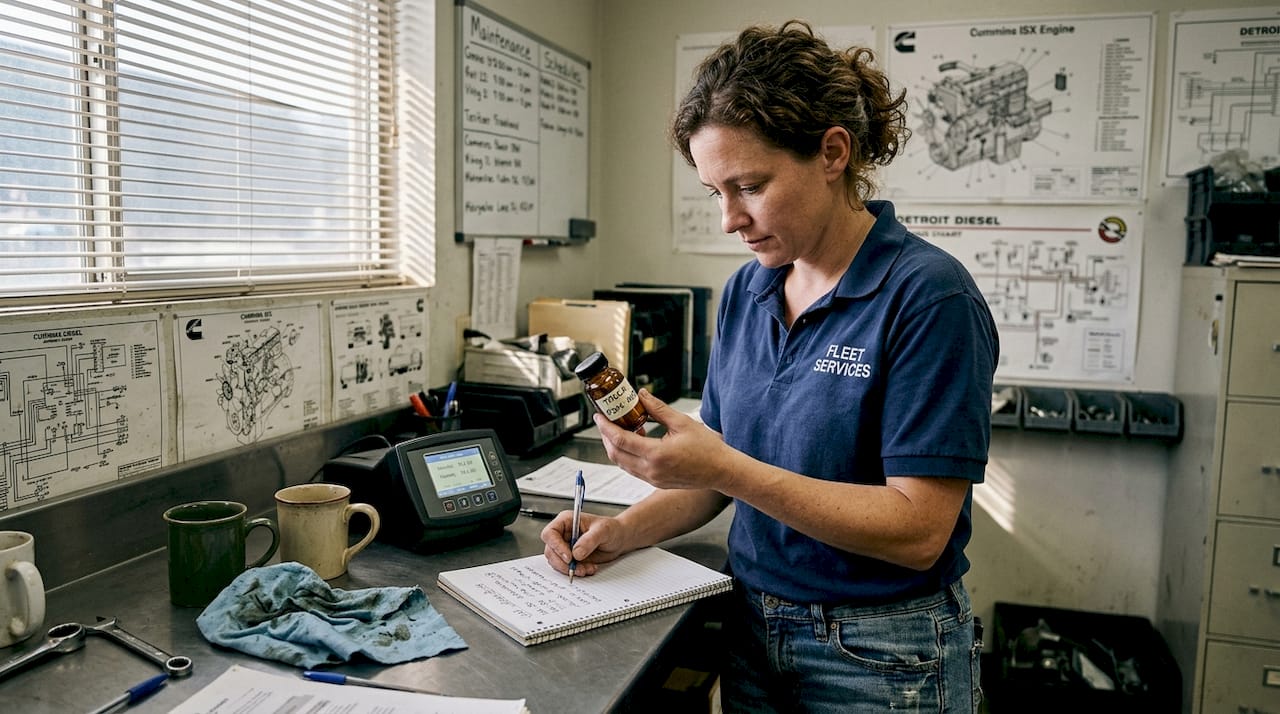
Extending oil drain intervals reduces labor and material costs significantly while maintaining or improving engine protection and longevity. A comprehensive case study demonstrated that condition-based oil analysis extended oil drain intervals 2.4 times and cut maintenance costs by 30%, saving $847,000, while preventing 70% of engine breakdowns saving $312,000. These numbers reflect real-world fleet operations over multiple years with hundreds of vehicles.
The data table below illustrates the financial and operational improvements fleets achieve through condition-based oil analysis programs:
| Metric | Traditional Schedule | Condition-Based Approach | Improvement |
|---|---|---|---|
| Average drain interval | 15,000 miles | 36,000 miles | 2.4x extension |
| Annual oil changes per truck | 10 to 12 | 4 to 5 | 58% reduction |
| Maintenance cost per truck | $2,100 | $1,470 | 30% savings |
| Engine breakdown rate | 8 to 10% annually | 2 to 3% annually | 70% reduction |
| Oil and filter cost per year | $840 | $350 | 58% savings |
Fleet operators gain better asset life and predictability with condition-based approaches that provide hard data about engine health trends over time. You can identify trucks that consistently show excellent oil condition and safely extend their intervals further, while catching vehicles with developing problems before they fail on the road. This granular visibility transforms maintenance from a cost center into a strategic advantage that maximizes asset utilization.
Condition-based strategies work particularly well when combined with high-quality synthetic lubricants designed for extended drain intervals. The upfront cost of premium oils is offset by fewer changes, less downtime, better fuel economy, and extended engine life. You also reduce environmental impact by consuming less oil and generating fewer used oil disposal requirements.
Implementation considerations for oil analysis programs:
- Establish baseline sampling procedures and train technicians on proper collection techniques
- Select a reputable laboratory with truck-specific experience and fast turnaround times
- Create action protocols for different contamination levels and wear metal thresholds
- Track trends over time rather than reacting to single data points
Pro Tip: Regularly review oil analysis reports to customize maintenance schedules dynamically based on actual fleet performance patterns. Schedule a monthly review meeting where you examine trends across your entire fleet, identify outliers requiring attention, and adjust service intervals for vehicles showing consistently excellent results. This ongoing optimization ensures you capture maximum value from your analysis investment while maintaining the highest reliability standards. The preventive maintenance benefits multiply when you combine scheduled service with condition-based interval optimization.
Maximizing uptime in Massachusetts fleets with local compliance and mobile repair services
Massachusetts roads cause frequent misalignment leading to up to 17% fuel efficiency losses due to harsh winters, pothole damage, and the constant freeze-thaw cycles that deteriorate pavement quality. Your trucks operating in the Northeast face uniquely challenging conditions that accelerate wear on suspension components, steering systems, and wheel assemblies. Regular alignment checks and suspension inspections become even more critical in this environment to maintain fuel economy and prevent premature tire wear.
DOT compliance under 49 CFR 396 mandates inspections and maintenance records that Massachusetts fleets must maintain to avoid penalties and service interruptions. The regulations require annual inspections, systematic maintenance programs, and detailed record keeping that documents all repairs and preventive service. Non-compliance can result in vehicles being placed out of service during roadside inspections, creating immediate operational disruptions and potential customer service failures.
Mobile repair services reduce downtime by performing maintenance onsite at your facility, terminal, or even roadside locations when necessary. This convenience eliminates the time and expense of driving trucks to repair shops, waiting for service appointments, and retrieving vehicles after work is completed. For routine maintenance like oil changes, brake adjustments, and minor repairs, mobile service can cut your downtime by 50% or more compared to traditional shop visits.
Fleet managers should align maintenance schedules with legal requirements and local road conditions to optimize both compliance and operational efficiency. Massachusetts fleets benefit from mobile repair options and must comply with DOT regulations to reduce downtime and avoid penalties. Schedule preventive maintenance during slower operational periods, coordinate service across multiple vehicles to maximize mobile technician efficiency, and maintain meticulous records that satisfy regulatory requirements while providing operational insights.
Using local expertise reduces unexpected costs and improves vehicle lifespan by leveraging technicians who understand regional challenges and common failure patterns. Massachusetts-based service providers recognize how road salt accelerates corrosion, how temperature extremes affect diesel fuel systems, and which components typically fail first in Northeast operating conditions. This knowledge translates to better preventive care and faster, more accurate diagnostics when problems develop.
Key strategies for Massachusetts fleet maintenance:
- Schedule alignment checks every 30,000 to 40,000 miles or after significant pothole impacts
- Implement corrosion prevention treatments for frames and undercarriage components
- Maintain detailed DOT-compliant maintenance records using digital fleet management systems
- Establish relationships with mobile service providers for routine maintenance convenience
- Plan major service work during off-peak seasons when operational demands are lower
Understanding commercial trailer requirements in Massachusetts helps you maintain full compliance while optimizing service schedules. Secure truck parking solutions that provide safe, accessible locations for mobile maintenance services to work efficiently on your fleet.
Trusted truck maintenance solutions for Massachusetts fleets
Implementing the maintenance strategies outlined in this guide requires expertise, resources, and reliable service partners who understand your operational challenges. Apple Truck & Trailer offers tailored maintenance schedules to maximize fleet uptime, combining decades of experience serving Massachusetts fleets with comprehensive service capabilities. They provide expert sales and support for commercial trucks in Massachusetts, helping you acquire reliable vehicles and maintain them for maximum productivity.
Leverage their services to implement maintenance best practices and acquire reliable vehicles that meet your operational requirements and budget constraints. Their tractor trailer maintenance schedule programs help you establish preventive care routines that reduce breakdowns and extend asset life. Explore their truck and trailer sales inventory to find quality equipment backed by service expertise. When buying a used commercial truck, their team provides guidance on selecting vehicles with strong maintenance histories and reliable performance potential.
Frequently asked questions
How often should fleets schedule preventive maintenance?
Typical preventive maintenance is scheduled every 10,000 to 15,000 miles, adjusted for vehicle use and conditions such as load weights, terrain, and operating environment. More frequent service is advisable for trucks operating in harsh environments or high-mileage routes where components experience accelerated wear. Consult your vehicle manufacturer recommendations and work with experienced technicians to customize intervals that balance protection with operational efficiency.
What advantages does predictive maintenance offer compared to preventive?
Predictive maintenance uses real-time data to anticipate failures and avoid unnecessary part replacement, delivering superior cost efficiency and reliability. It achieves greater cost savings and reduces unplanned downtime compared to preventive maintenance by addressing actual component condition rather than arbitrary schedules. Predictive maintenance cuts costs by 34%, reduces breakdowns by 62%, and delivers a 10:1 return on investment for fleets that fully implement the technology.
How does Massachusetts DOT compliance impact fleet maintenance?
Maintaining compliance requires scheduled inspections, record keeping, and timely repairs as mandated by federal and state transportation regulations. Non-compliance can lead to fines, service interruptions, and increased downtime risk when vehicles are placed out of service during roadside inspections. Massachusetts DOT regulations under 49 CFR 396 require regular vehicle inspections and maintenance documentation to ensure safety and avoid penalties. Integrate compliance requirements into your preventive maintenance program to satisfy legal obligations while maximizing operational efficiency.
Can mobile repair services handle major maintenance work?
Mobile services excel at routine maintenance like oil changes, brake adjustments, minor repairs, and diagnostic work, but major overhauls typically require shop facilities with specialized equipment. The convenience and downtime reduction mobile service provides for regular maintenance makes it ideal for keeping fleets productive while reserving shop visits for complex repairs. Evaluate each maintenance task to determine whether mobile service or shop-based work delivers the best combination of quality, cost, and operational efficiency.
What maintenance records should Massachusetts fleets maintain?
Fleets must document all inspections, repairs, preventive maintenance, and part replacements with dates, mileage, work performed, and technician information. These records satisfy DOT requirements, support warranty claims, provide resale value documentation, and offer operational insights for optimizing maintenance programs. Digital fleet management systems simplify record keeping while providing analytics that help you identify trends, predict failures, and continuously improve your maintenance effectiveness.
Recommended
- How to Reduce Downtime for Commercial Truck Fleets – Apple Truck & Trailer
- Big Truck Road Service Near Me: Cut Downtime by 25% in MA – Apple Truck & Trailer
- 2025 Truck Maintenance Checklist for Businesses and Fleets – Apple Truck & Trailer
- Benefits of Preventive Maintenance for Truck Fleets – Apple Truck & Trailer